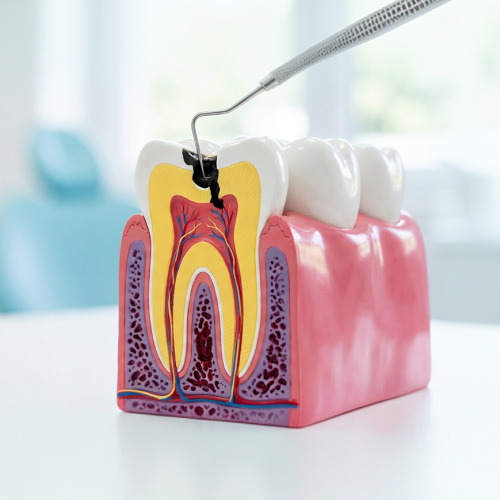
Root Canal Recovery, Pain, and What to Expect at Every Stage
Wondering what root canal recovery is really like? Learn what to expect, manage discomfort, and ensure quick healing. Book your consultation in Riverside today!
Read More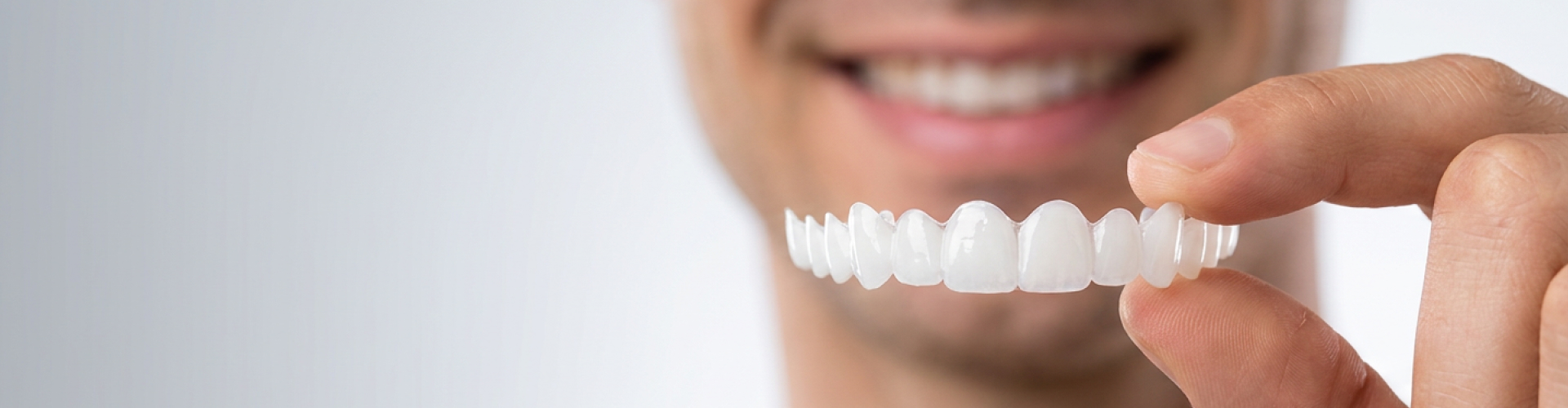
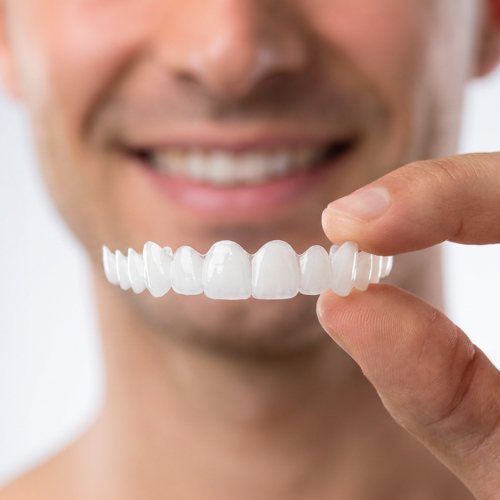
Most dentists warn against direct-to-consumer snap-on veneers because they trap bacteria, damage gum tissue, and rarely look natural. However, there is an important distinction between mail-order kits and lab-fabricated removable appliances that only a dental professional can prescribe — and understanding that difference could save your smile.
For Riverside-area patients asking whether dentists recommend snap-on veneers, the answer is more nuanced than a simple yes or no — and that nuance matters.
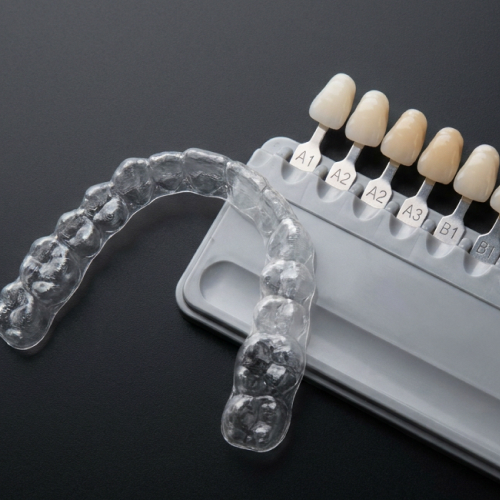
Dentists do sometimes use professionally fabricated, removable dental appliances in a clinical setting. Products like DenMat's Snap-On Smile are occasionally prescribed as diagnostic mock-ups during full-mouth reconstruction planning or as transitional appliances while patients heal between procedures. These are custom-fabricated in a dental lab, adjusted for occlusion, and monitored by a licensed clinician who can evaluate your bite, bone density, and gum health before fitting them.
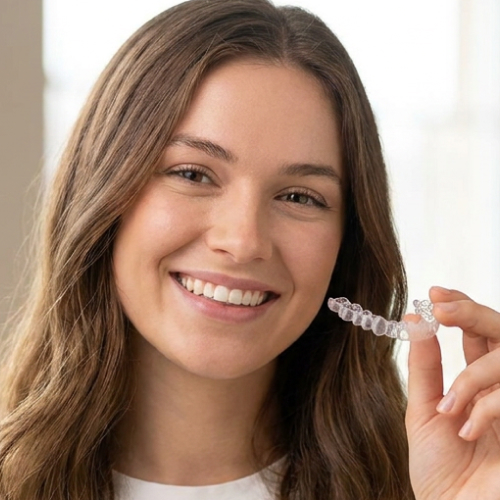
That is an entirely different category from direct-to-consumer mail-order kits — the pop-on veneers circulating on social media — where you press your teeth into putty at home and receive a generic plastic shell days later. No bite analysis. No gum assessment. No professional oversight whatsoever.
According to the ADA News, dental experts specifically warned against the use of plastic, snap-on veneers trending on social media, noting that unlike professional porcelain veneers, they can damage tooth enamel and increase the risk of decay and gum disease. The warning is directed squarely at unsupervised, over-the-counter devices — not at professionally managed removable prosthetics.
The takeaway: dentists use clinically controlled removable appliances as specific tools. They condemn unsupervised DTC kits because, without professional oversight, those devices can trigger TMJ pain, occlusal trauma, and irreversible periodontal damage.
Competing articles vaguely say clip-on veneers look "bulky." But there are precise anatomical and optical reasons they fail scrutiny — and understanding them helps you make a smarter decision before spending money on any cosmetic option.
The monoblock effect. Natural teeth have open interdental embrasures — small triangular spaces between teeth where light passes through. Snap-on veneers are molded as a single connected shell, eliminating those spaces entirely. The result is a flat, solid "chiclet wall" of plastic where no light penetrates. Your eye immediately registers this as unnatural, even if you cannot articulate why.
Missing incisal translucency. Porcelain veneers are engineered to mimic the multi-layered optical depth of natural enamel — light enters, scatters, and reflects back at varying depths. As WebMD notes, porcelain has light-reflecting features that closely resemble natural teeth, which is precisely why it remains the professional standard. Generic plastic shells cannot replicate this layered translucency.
Lip incompetence. Adding even 0.5mm–1.5mm of labial (front-facing) thickness to your teeth pushes your upper lip forward at rest. This forces the mentalis muscle to strain in order to close your lips naturally. In photographs and in conversation, this subtle tension reads as stiffness — another visual signal that something is off.
These are not minor aesthetic complaints. They are structural limitations of the material and manufacturing process that no mail-order kit can overcome.
Generic downside lists repeat "traps plaque" endlessly. The deeper biological risk is less discussed but more serious, particularly for anyone with existing gum recession or bone loss.
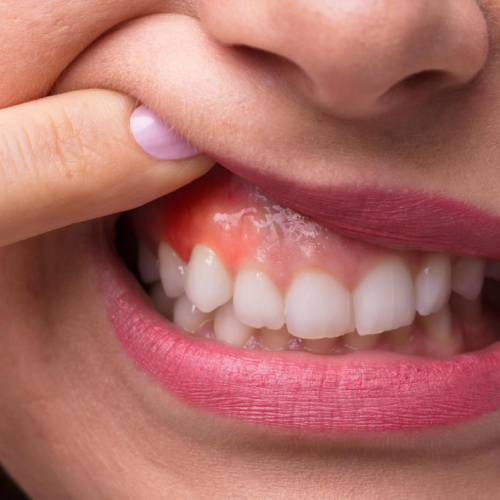
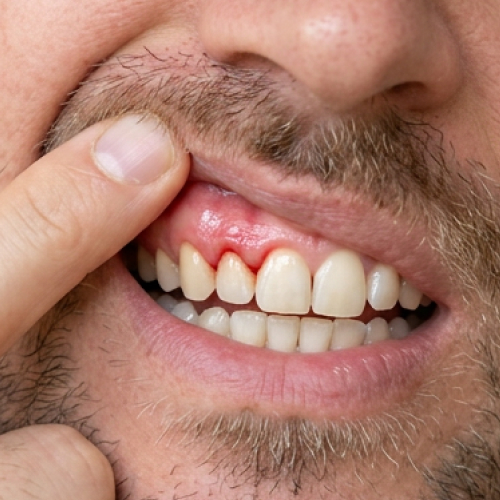
Non-anchored plastic appliances do not sit perfectly still in the mouth. Every chewing force generates micro-movements. The rigid resin border repeatedly impinges on the free gingival margin — the delicate tissue where the gum meets the tooth. Over time, this mechanical trauma strips the junctional epithelium, accelerating irreversible gum disease gingivitis and potentially loosening compromised teeth.
A Healthline overview of dental prosthesis options reinforces that missing teeth and poorly fitted appliances can affect bone health and put surrounding teeth at significant risk. For patients with pre-existing periodontal concerns, a poorly fitted removable shell is not a harmless cosmetic accessory — it is an active threat to tissue that cannot regenerate on its own.
Beyond tissue damage, Healthline's coverage of snap-in dentures highlights that even professionally designed implant-retained appliances require careful monitoring and can loosen over time. A mail-order shell with no anchorage system has no mechanism to prevent the movement that causes this damage.
The patients most attracted to mail-order alternatives — those with missing, discolored, or compromised teeth — are often the exact patients whose gum and bone health can least afford the consequences.
If snap-on veneers are not the answer, what is? The options depend entirely on what you want to correct.
WebMD's overview of veneer options outlines the spectrum clearly: composite veneers can address small chips or gaps in a single visit, porcelain veneers offer superior stain resistance and natural light reflection for broader smile transformations, and no-prep veneers reduce enamel removal for appropriate candidates. Each requires professional diagnosis to determine fit. For patients seeking a broader transformation, aesthetic dentistry offers a range of professionally supervised options tailored to your unique smile goals.
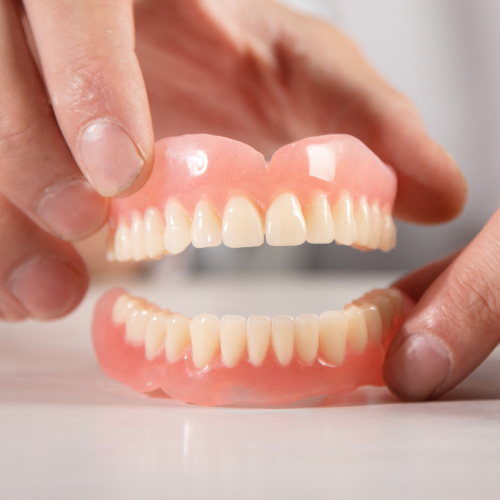
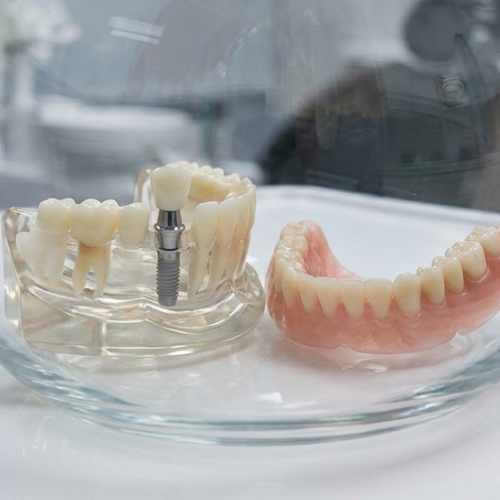
For patients with missing teeth, professionally fabricated dentures, flipper teeth, or implant-supported restorations offer stability and tissue protection that no mail-order shell can approximate. The right choice depends on bone density, gum health, bite alignment, and long-term goals — none of which a consumer kit can evaluate. Mouth Healthy offers guidance on dental care resources for patients exploring legitimate treatment options.
The common thread across all legitimate options is professional oversight. A dentist who examines your tissue, analyzes your bite, and monitors your healing protects you from the compounding damage that unsupervised devices leave behind. Regular cleaning and exam appointments are also essential for catching early signs of damage before they become serious problems.
If you are exploring cosmetic options in the Riverside or Inland Empire area, the team at Dental Specialists of Riverside can help you find a solution that actually works — without risking your gum health or jaw alignment. Whether you are considering dental implants or another restorative path, schedule a consultation and get a professional assessment of which approach fits your smile, your health, and your goals.
This article is for informational purposes only and does not constitute professional dental advice. Always consult a licensed dental professional for diagnosis and treatment recommendations specific to your situation.
Fresh news from the dental world
Mon, Tues, Thur 9AM - 6PM
Weds 10AM - 7PM
Friday 8AM - 5PM
Sat & Sun Closed
Check out what our patients are saying in Riverside...


“What a Difference...”
“My wife and I recently decided to try teeth whitening here. Wow! What a difference. Thank you!”

“So Comfortable...”
"I have been coming here for years and I love this place. I feel so comfortable whenever I go into ortho. Everyone's really friendly! The ladies at the front desk are my favorite, they're always so helpful and always try their best to work around my schedule. Would definitely recommend!"

“Expert Care...”
“I have come a long way with all my dental issues. I’ve been able to take back control of my dental health because of the expert care I’ve received over the years at Dental Specialists of Riverside. I highly recommend this place because they won’t pressure you into stuff that you don’t need or that you are not ready for.”
..png)
“Never Disappointed...”
“I don’t have much time to waste, so I always get my whitening done by the good folks at Dental Specialists of Riverside. Never disappointed.”
“What a Difference...”
“My wife and I recently decided to try teeth whitening here. Wow! What a difference. Thank you!”
“So Comfortable...”
"I have been coming here for years and I love this place. I feel so comfortable whenever I go into ortho. Everyone's really friendly! The ladies at the front desk are my favorite, they're always so helpful and always try their best to work around my schedule. Would definitely recommend!"
Check out our accreditations, sources, and relationships in the wide world of dentistry...
..png)
..png)
..png)
Check us out and follow our Riverside, CA practice on social media...


..png)


