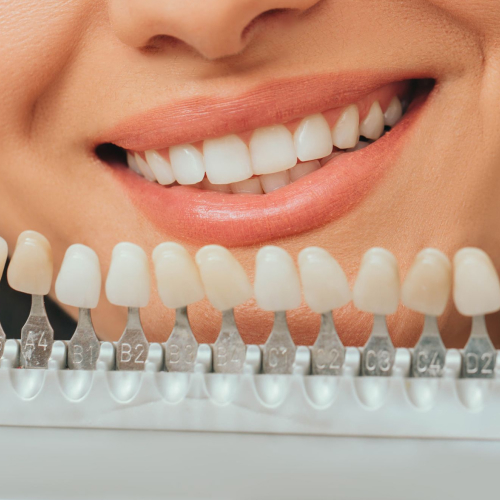
Dental Veneers: How Many Visits, How Much Enamel, and What to Expect
Curious about dental veneers? Learn how many visits it takes, how much enamel is removed, and what to expect. Schedule your consultation in Riverside today!
Read More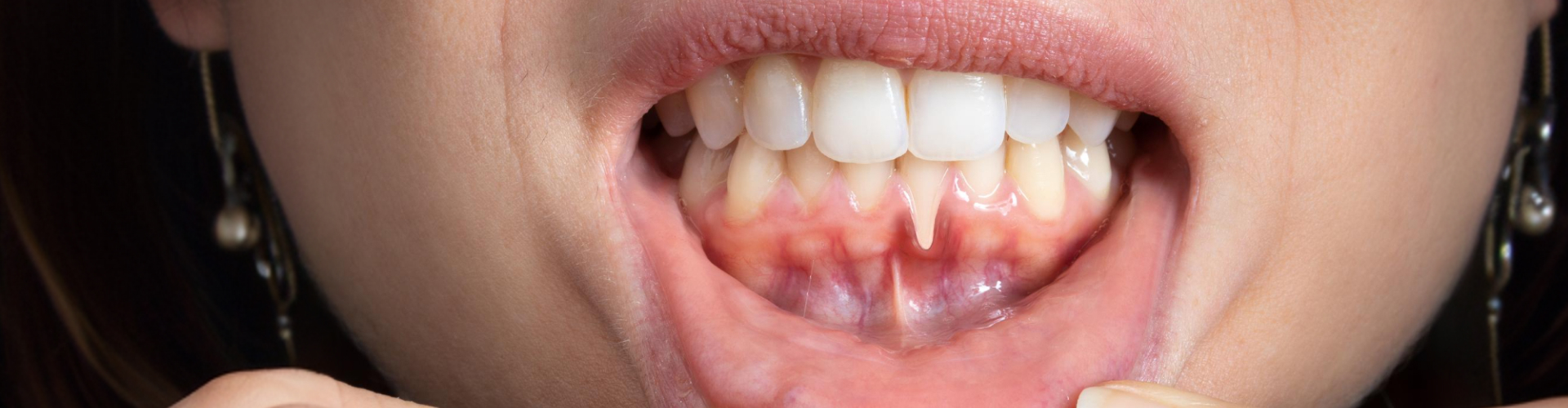
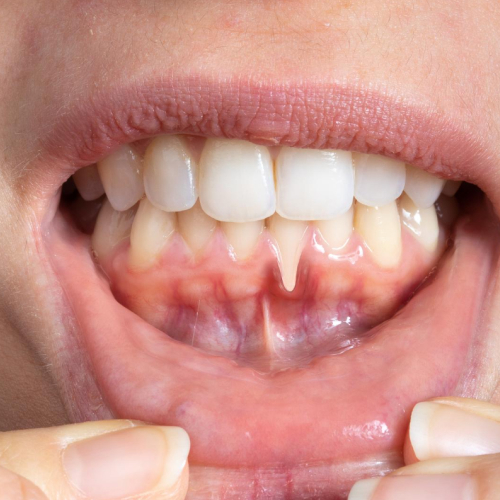
Gingivitis is reversible gum inflammation; periodontitis is irreversible bone-destroying disease. For Riverside-area patients, the numbers your hygienist calls out during cleanings are your early warning system — and understanding them can help you catch gum disease before it reaches Stage 3 or 4, where tooth loss becomes a real risk.
During your cleaning, you've probably heard something like "3, 2, 4… 5, 6, 5…" called across the room. Those aren't random. They're millimeter measurements of the space between your gum and your tooth — and they tell your dentist exactly where you fall on the gum disease spectrum.
Here's what those numbers actually mean:
1–3 mm — Healthy or Gingivitis This is the target range. Gums fit snugly around teeth. If you have mild redness or bleeding but no bone involvement, this is gingivitis territory. According to Healthline, gingivitis is reversible with professional cleaning and exam and improved home care — no permanent damage has occurred yet.
4–5 mm — Early to Moderate Periodontitis (Stage 1–2) Pockets this deep signal that bacteria have migrated below the gumline. The gum tissue has begun pulling away from the tooth, forming spaces that trap food and bacteria. Bone loss may have started. At this stage, scaling and root planing (deep cleaning) is typically the first-line treatment.
6 mm and above — Advanced Periodontitis (Stage 3–4) This is where the conversation changes significantly. Pockets of 6 mm or deeper indicate serious bone destruction. The NIDCR reports that roughly 42% of adults 30 and older have some form of periodontitis — and 7.8% have severe disease. Teeth may feel loose. Shifting bite patterns become noticeable. Surgical intervention is often necessary to stop progression.
Knowing your numbers gives you power in that conversation with your provider.
Many patients brush twice daily, floss regularly, and still watch their gum disease accelerate. The missing variable is often sitting in their medicine cabinet.
Several common medication classes directly affect gum tissue and saliva in ways that dramatically accelerate disease progression:
Calcium channel blockers (prescribed for high blood pressure) can cause gingival overgrowth — the gum tissue thickens and extends over teeth, making thorough cleaning nearly impossible and creating deep pockets where bacteria thrive.
Immunosuppressants (used after organ transplant or for autoimmune conditions) reduce the body's ability to fight bacterial infection in the periodontium, allowing disease to progress faster and more destructively.
Antihistamines, antidepressants, and diuretics reduce saliva flow. Saliva is your mouth's natural defense — it neutralizes acids and washes away bacteria. Chronic dry mouth from these medications removes that protection entirely.
As the ADA notes, roughly 42% of dentate U.S. adults over 30 have periodontitis — a figure that rises sharply among those with systemic conditions and the medications that treat them.
If you take any of these drug classes, the protocol is proactive: tell your periodontist exactly what you're taking, increase your professional cleaning frequency, and ask your prescribing physician whether alternatives with fewer oral side effects exist. You don't have to choose between your blood pressure and your teeth — but you do need both providers talking to each other.
Stage 3 periodontitis is the point where tooth loss becomes a concrete risk rather than a distant possibility. By this stage, significant bone and attachment loss has occurred, pockets measure 6 mm or deeper, and teeth may show mobility.
Patients at this stage are often told they need "gum surgery" — and that word alone sends many people away without treatment. Understanding what that actually means makes the decision easier.
Traditional osseous surgery involves opening the gum tissue with a scalpel, thoroughly cleaning the root surface and infected bone, reshaping the bone where needed, and closing with sutures. Recovery typically involves swelling and discomfort for one to two weeks. It is highly effective and has decades of clinical evidence behind it.
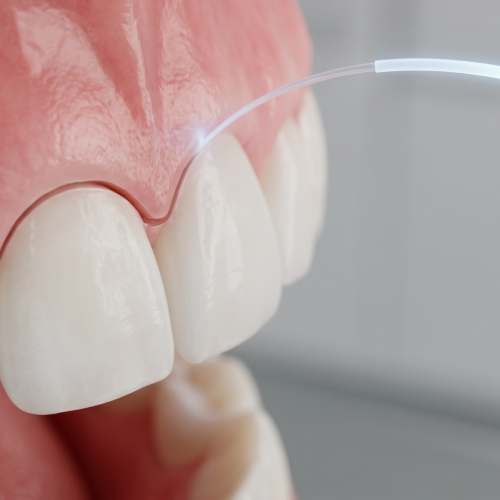
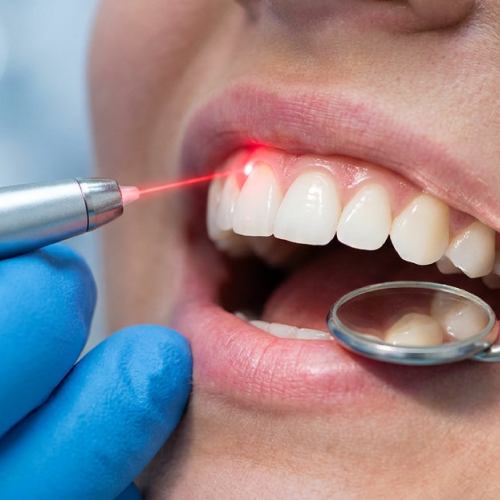
LANAP (Laser-Assisted New Attachment Procedure) uses a calibrated laser to selectively remove diseased tissue and bacteria without cutting healthy gum. There are no scalpels, no sutures, and significantly less post-operative discomfort. Recovery is faster, and research suggests LANAP may stimulate periodontal regeneration — meaning lost bone can potentially reattach around affected teeth.
Neither approach is universally "better." The right choice depends on the extent of disease, pocket depth distribution, bone morphology, and your medical history. Stage 4 disease — the most severe classification — involves teeth that may already be non-restorable. In some cases, a tooth extraction becomes necessary, after which options like dental implants or dentures can help restore function and appearance.
A Mouthhealthy.org overview reinforces that the earlier treatment begins, the more options remain available. Waiting until Stage 4 narrows that field considerably.
Gum disease doesn't stay in your mouth. The same inflammatory pathways that destroy bone around your teeth interact with cardiovascular health, blood sugar regulation, and pregnancy outcomes. Research published in PMC documents a bidirectional relationship between periodontal disease and systemic conditions including type 2 diabetes and cardiovascular disease — meaning each condition can worsen the other.
For Riverside and Inland Empire residents managing chronic conditions, this connection makes periodontal care a health priority, not just a cosmetic one. Controlling gum inflammation has measurable effects beyond your dental chart.
The progression from gingivitis to Stage 3 periodontitis is not inevitable. It is, however, largely silent until significant damage is done. Regular periodontal evaluations — including those pocket depth measurements — are how disease gets caught before it reaches the irreversible stages.
If you haven't had a full periodontal evaluation recently, or if you've been told your numbers are climbing, now is the time to act. Dental Specialists of Riverside serves patients throughout Riverside and the broader Inland Empire with comprehensive periodontal diagnosis and treatment — from early gingivitis management to advanced surgical care. Contact us to schedule your dental emergency evaluation or routine appointment today.
This article is for informational purposes only and does not constitute medical or dental advice. Please consult a licensed dental professional for diagnosis and personalized treatment recommendations.
Fresh news from the dental world


Mon, Tues, Thur 9AM - 6PM
Weds 10AM - 7PM
Friday 8AM - 5PM
Sat & Sun Closed
Check out what our patients are saying in Riverside...


“What a Difference...”
“My wife and I recently decided to try teeth whitening here. Wow! What a difference. Thank you!”

“So Comfortable...”
"I have been coming here for years and I love this place. I feel so comfortable whenever I go into ortho. Everyone's really friendly! The ladies at the front desk are my favorite, they're always so helpful and always try their best to work around my schedule. Would definitely recommend!"

“Expert Care...”
“I have come a long way with all my dental issues. I’ve been able to take back control of my dental health because of the expert care I’ve received over the years at Dental Specialists of Riverside. I highly recommend this place because they won’t pressure you into stuff that you don’t need or that you are not ready for.”
..png)
“Never Disappointed...”
“I don’t have much time to waste, so I always get my whitening done by the good folks at Dental Specialists of Riverside. Never disappointed.”
“What a Difference...”
“My wife and I recently decided to try teeth whitening here. Wow! What a difference. Thank you!”
“So Comfortable...”
"I have been coming here for years and I love this place. I feel so comfortable whenever I go into ortho. Everyone's really friendly! The ladies at the front desk are my favorite, they're always so helpful and always try their best to work around my schedule. Would definitely recommend!"
Check out our accreditations, sources, and relationships in the wide world of dentistry...
..png)
..png)
..png)
Check us out and follow our Riverside, CA practice on social media...


..png)