How Many Hours a Day Do You Really Need to Wear Invisalign Trays?
Wondering how long to wear Invisalign each day? Learn the daily wear rules, tray change schedule, and the 30-minute rule. Call our Riverside team today!
Read More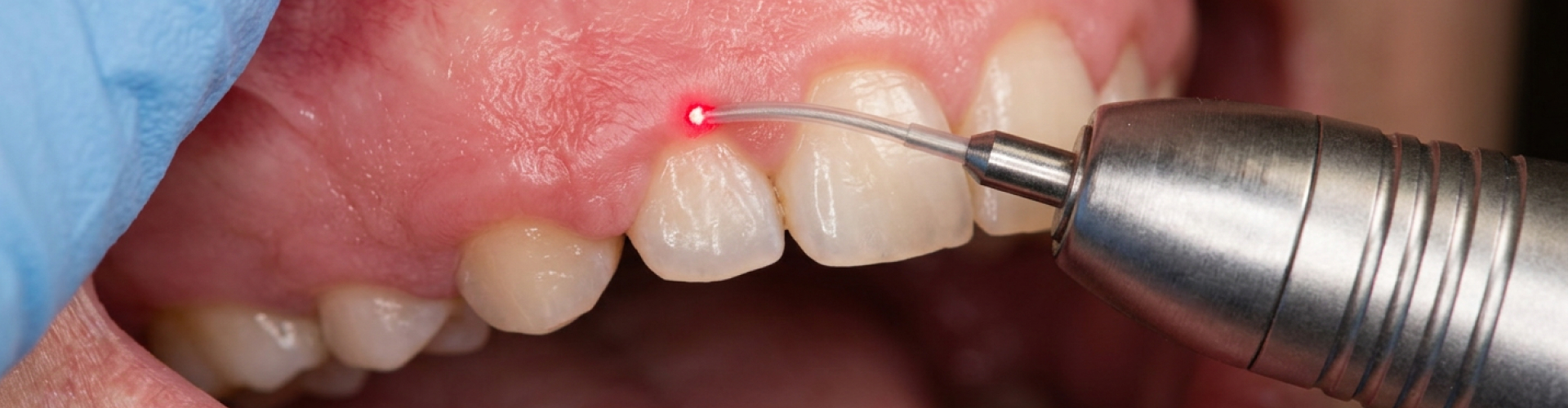
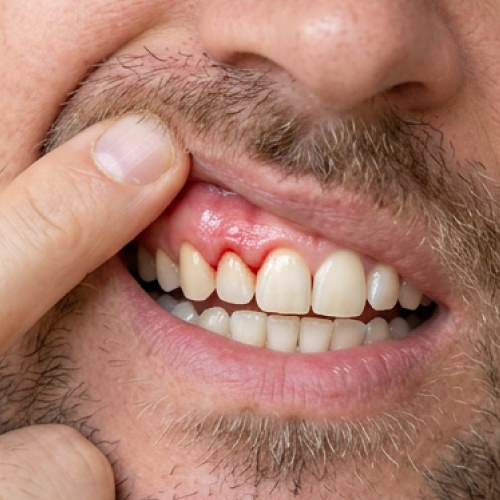
Gum contouring is typically performed under local anesthesia, so the procedure itself is not painful — but recovery comfort depends heavily on whether a laser or scalpel was used. Most patients heal within a few days to two weeks, with bone-involved cases taking longer. Knowing what to expect (and what to avoid eating) makes a significant difference in your results.
Most articles give you a single recovery timeline for gum contouring. For Riverside-area patients, that timeline means almost nothing without knowing which technique was used.
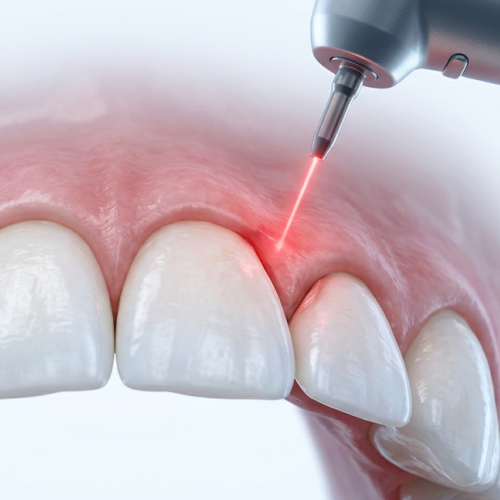
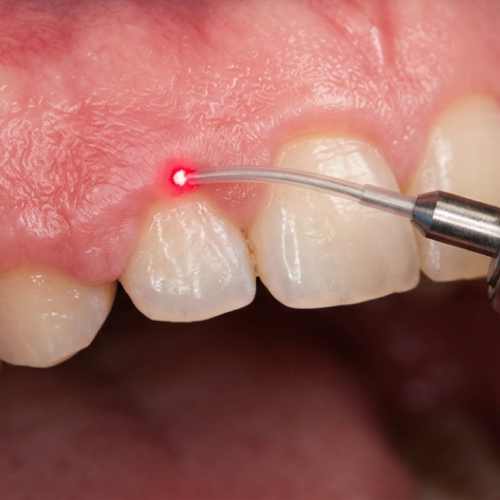
When a soft tissue laser is used, it simultaneously removes excess gum tissue and cauterizes the wound. No open edges, no bleeding vessels — and in most cases, no stitches. Swelling is minimal. Many patients return to normal activity within 48 hours. According to Healthline, laser contouring is increasingly common because it allows for faster healing, lower infection risk, and greater precision than traditional scalpel methods.
Scalpel-based contouring works differently. The dentist makes manual incisions, which means the tissue edges stay open until sutured. Sutures add healing time, increase sensitivity, and extend recovery to roughly 7–10 days. Post-operative soreness is generally higher, and you'll need a follow-up appointment to have stitches removed (unless dissolvable sutures were used).
So does gum contouring hurt? During the procedure — no. Local anesthesia numbs the area before any cutting begins, and WebMD notes that results are immediate and the procedure typically requires only local anesthetic. Once the numbness fades, you'll likely feel mild soreness manageable with over-the-counter pain relievers. The key word is mild — for laser patients. Scalpel patients may experience more pronounced discomfort for the first several days. Maintaining good gum disease gingivitis prevention habits before and after your procedure also plays a role in how smoothly you heal.
Ask your provider which method they use before scheduling. The technology in the room directly shapes how quickly you heal.
Here's what most general articles skip entirely: not all gum contouring is a simple tissue trim.
Some patients have what's called a thick alveolar bone — the bone that surrounds each tooth root. When too much bone sits close to the surface, trimming the gum tissue alone won't produce lasting results. The gum will simply regrow back to its original position within months. To prevent this, the periodontist must also perform a minor bone reshaping procedure (osteoplasty) alongside the gum trim. This combined approach is often called crown lengthening.
Cleveland Clinic explains that providers check bone levels around each tooth before proceeding — and if excess bone is present, removing a small amount is necessary to prevent gum tissue from migrating back. Without it, the cosmetic results won't hold.
Bone-involved contouring always requires sutures. The healing profile is also meaningfully different: surface gum tissue heals in roughly one week, but deep tissue and bone require a 4–6 week recovery phase before final restorations like tooth crown or porcelain veneers can be placed. Pain levels are higher, and more extensive anesthesia options may be discussed during your consultation.
If your provider mentions crown lengthening alongside gum contouring, that's a signal your case involves this deeper layer of work — and your recovery expectations should reflect that.
Standard post-op instructions say "eat soft foods." That's accurate, but incomplete in a way that can genuinely compromise your outcome.
The real risk isn't food texture — it's food particle size. During the first 7–10 days after gum contouring, healing gum tissue is loosely attached and vulnerable. Microscopic food particles — think strawberry seeds, chia seeds, kiwi seeds, quinoa grains, coarse black pepper, or poppy seeds — can slip underneath the unattached gum flap or lodge directly into suture knots. Once trapped, these particles create a localized infection environment. The result can be an abscess that disrupts the symmetry of your healing gumline and potentially undoes the cosmetic work entirely.
Smooth, seed-free options are safer: plain yogurt, mashed potatoes, scrambled eggs, bananas, avocado, and well-cooked oatmeal (not steel-cut). Avoid anything with visible seeds or grainy textures until your provider confirms the tissue has fully reattached.
A Cleveland Clinic overview of gingivectomy notes that recovery instructions from your surgeon should be followed carefully — and that activity, diet, and oral hygiene habits in the first week directly affect healing quality.
Spicy foods are also worth avoiding. Capsaicin and acidic spices can irritate exposed tissue and slow healing. Stick to bland, room-temperature foods for at least the first five days.
For soft-tissue-only laser contouring, here's a realistic timeline:
Days 1–2: Mild soreness and slight swelling. Rest is recommended. Ibuprofen or acetaminophen manages discomfort for most patients. No stitches to manage.
Days 3–5: Soreness fades significantly. Gum tissue begins reattaching. Avoid hard, crunchy, or seed-containing foods. Gentle rinsing with salt water may be recommended.
Days 6–10: Most patients feel normal. Gum color transitions from slightly pink-inflamed back to healthy pink. Avoid vigorous brushing near the treated area. Scheduling a cleaning and exam once your tissue has fully healed helps ensure your gumline stays healthy long-term.
For scalpel or bone-involved cases, extend each phase by roughly one week and follow your periodontist's suture-care instructions closely. According to WebMD's surgical overview, complete gum healing may take several weeks depending on the extent of reshaping performed.
The results themselves? Permanent — provided your oral hygiene habits stay consistent. Cleveland Clinic's cosmetic dentistry resource confirms that gum contouring results are classified as permanent among cosmetic dental procedures, unlike pro teeth whitening or bonding, which require periodic renewal.
If you're in Riverside or the surrounding Inland Empire and wondering whether your smile could benefit from gum reshaping, the team at Dental Specialists of Riverside is here to help. A consultation will clarify whether your case involves soft tissue only or requires crown lengthening — and which technique fits your goals and recovery timeline. You may also want to explore our aesthetic dentistry services to see how gum contouring fits into a broader smile transformation plan. Reach out today to schedule your visit.
Medical disclaimer: This article is for informational purposes only and does not constitute medical or dental advice. Always consult a qualified dental professional for diagnosis and treatment recommendations specific to your situation.
Fresh news from the dental world

Mon, Tues, Thur 9AM - 6PM
Weds 10AM - 7PM
Friday 8AM - 5PM
Sat & Sun Closed
Check out what our patients are saying in Riverside...


“What a Difference...”
“My wife and I recently decided to try teeth whitening here. Wow! What a difference. Thank you!”

“So Comfortable...”
"I have been coming here for years and I love this place. I feel so comfortable whenever I go into ortho. Everyone's really friendly! The ladies at the front desk are my favorite, they're always so helpful and always try their best to work around my schedule. Would definitely recommend!"

“Expert Care...”
“I have come a long way with all my dental issues. I’ve been able to take back control of my dental health because of the expert care I’ve received over the years at Dental Specialists of Riverside. I highly recommend this place because they won’t pressure you into stuff that you don’t need or that you are not ready for.”
..png)
“Never Disappointed...”
“I don’t have much time to waste, so I always get my whitening done by the good folks at Dental Specialists of Riverside. Never disappointed.”
“What a Difference...”
“My wife and I recently decided to try teeth whitening here. Wow! What a difference. Thank you!”
“So Comfortable...”
"I have been coming here for years and I love this place. I feel so comfortable whenever I go into ortho. Everyone's really friendly! The ladies at the front desk are my favorite, they're always so helpful and always try their best to work around my schedule. Would definitely recommend!"
Check out our accreditations, sources, and relationships in the wide world of dentistry...
..png)
..png)
..png)
Check us out and follow our Riverside, CA practice on social media...

..png)


