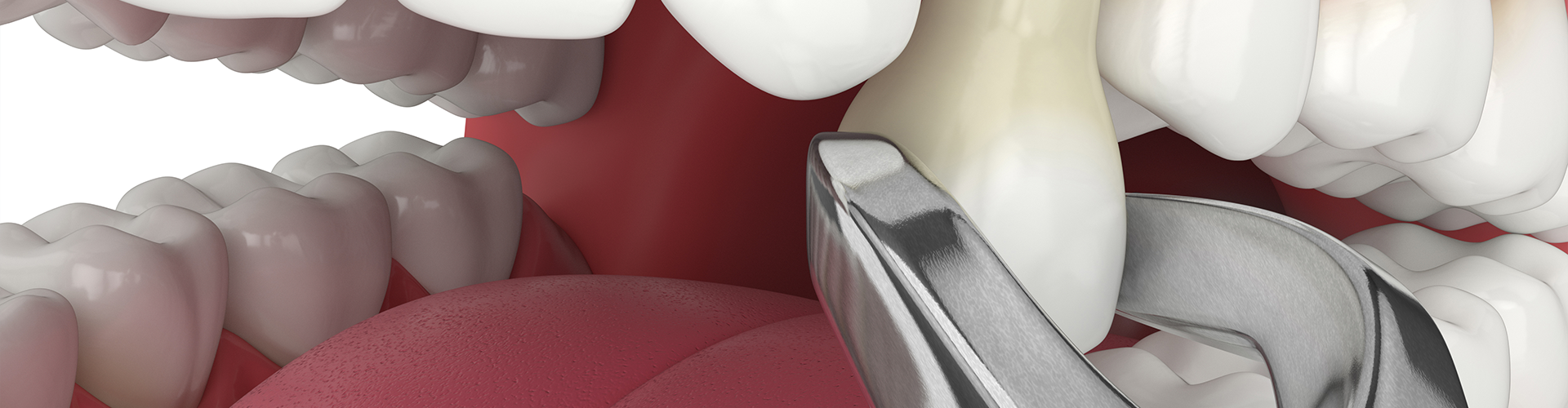
When it comes to dental health, understanding the intricacies of bone growth after tooth extraction is crucial. Proper management can significantly impact long-term oral health, preventing issues like jawbone deterioration. In this guide, we'll explore the timeline of bone loss, the potential for reversal, and effective strategies to promote bone growth post-extraction.
How Long Does It Take for Bone Loss After Tooth Extraction?
Bone loss can begin almost immediately after a tooth extraction. The absence of the tooth’s root, which previously stimulated the jawbone through activities like chewing, leads to a decrease in bone density. In the first three months post-extraction, significant bone loss can occur, with the rate slowing but continuing over time. Without intervention, up to 25% of bone width can be lost within the first year. This progression underscores the importance of timely action to mitigate bone loss.
Can Bone Loss in the Jaw Be Reversed?
The good news is that bone loss in the jaw can often be addressed and, in some cases, reversed. Several dental procedures and treatments can help stimulate bone growth and restore jawbone integrity. Here are some effective methods to combat bone loss and encourage regeneration:
Bone Grafting
Bone grafting is a widely used procedure where bone material is added to the jaw to encourage new bone growth. The graft material can come from various sources, including autografts (bone harvested from another area of the patient's body), allografts (donor bone from a bone bank), xenografts (bone from an animal source, usually bovine), and alloplasts (synthetic bone graft materials). Each type of graft material serves as a scaffold for new bone cells to grow and integrate with the existing jawbone, providing structural support and promoting natural regeneration.
Dental Implants
Dental implants are another effective solution for reversing bone loss. These titanium posts are surgically placed into the jawbone, serving as artificial tooth roots. The implants stimulate the jawbone similarly to natural tooth roots, helping to maintain bone density and promote new bone growth. The process involves placing the implant, allowing it to fuse with the bone through osseointegration, and then attaching a custom-made crown to restore function and appearance.
Platelet-Rich Plasma (PRP) Therapy
Platelet-Rich Plasma (PRP) therapy is an innovative treatment that can enhance bone regeneration. PRP involves drawing a small amount of the patient’s blood, processing it to concentrate the platelets, and then injecting this enriched plasma into the affected area.By accelerating the healing process, PRP therapy can improve the outcomes of dental surgeries and enhance bone growth.
Maintaining Proper Nutrition
Proper nutrition is vital for bone health and regeneration. A diet rich in calcium, vitamin D, protein, and other essential nutrients supports the body's natural healing processes. Foods like dairy products, leafy greens, fortified foods, and fatty fish provide the necessary building blocks for bone repair and growth. Ensuring adequate nutrient intake can significantly impact the success of dental treatments aimed at reversing bone loss.
Regular Dental Check-ups
Routine dental visits are essential for monitoring bone health and ensuring the effectiveness of treatments. During check-ups, your dentist can assess the condition of your jawbone, perform imaging tests, and provide early intervention if any issues arise. Regular evaluations allow for timely adjustments to your treatment plan, optimizing the chances of successful bone regeneration.
How Can I Improve My Bone Growth After Tooth Extraction?
Enhancing bone growth after a tooth extraction is essential for maintaining a healthy and functional jaw. Here are several key strategies to promote optimal bone regeneration:
Bone Grafting
Bone grafting is a pivotal procedure that involves placing bone graft material into the socket where the tooth was removed. This material acts as a scaffold, encouraging new bone to grow and integrate with the existing bone structure. There are different types of bone grafts, such as autografts (bone from your own body), allografts (human donor bone), and synthetic materials. Your dentist will recommend the best option based on your specific needs.
Dental Implants
Dental implants are titanium posts surgically placed into the jawbone, serving as artificial tooth roots. These implants not only replace missing teeth but also stimulate the jawbone, similar to natural tooth roots, helping to preserve bone density and promote new bone growth. The process includes implant placement, allowing the implant to fuse with the bone, followed by attaching an abutment and a custom-made crown.
Proper Nutrition
Nutrition plays a crucial role in bone health. Ensuring a diet rich in essential nutrients supports the healing process and bone regeneration.
Avoid Tobacco
Tobacco use, particularly smoking, has detrimental effects on bone healing and growth. Nicotine restricts blood flow to the gums and jawbone, impeding the delivery of essential nutrients and oxygen necessary for healing. Quitting smoking improves overall health and enhances the body's ability to repair and regenerate bone.
Follow Post-Operative Care Instructions
Adhering to your dentist's post-operative care guidelines is critical for successful healing and bone growth. These instructions may include maintaining oral hygiene to keep the extraction site clean, taking prescribed medications, avoiding strenuous activities, and consuming soft foods to avoid irritating the extraction site.
Regular Dental Check-ups
Routine dental visits are essential for monitoring bone health and ensuring proper healing. During these check-ups, your dentist can assess the extraction site, perform imaging tests to monitor bone density and growth, and address any issues or complications early.
By following these strategies and working closely with your dental professional, you can significantly improve bone growth after a tooth extraction, ensuring a healthier and more stable jawbone for the future.
Conclusion
Managing bone health after a tooth extraction is vital for maintaining a strong, healthy jaw. Early intervention and adherence to recommended strategies can prevent significant bone loss and promote regrowth. If you've recently had a tooth extraction or are concerned about bone loss, don't wait. Schedule an appointment with our dental office today to explore the best options for improving bone growth and ensuring your long-term oral health.






..png)
..png)
..png)
..png)


..png)