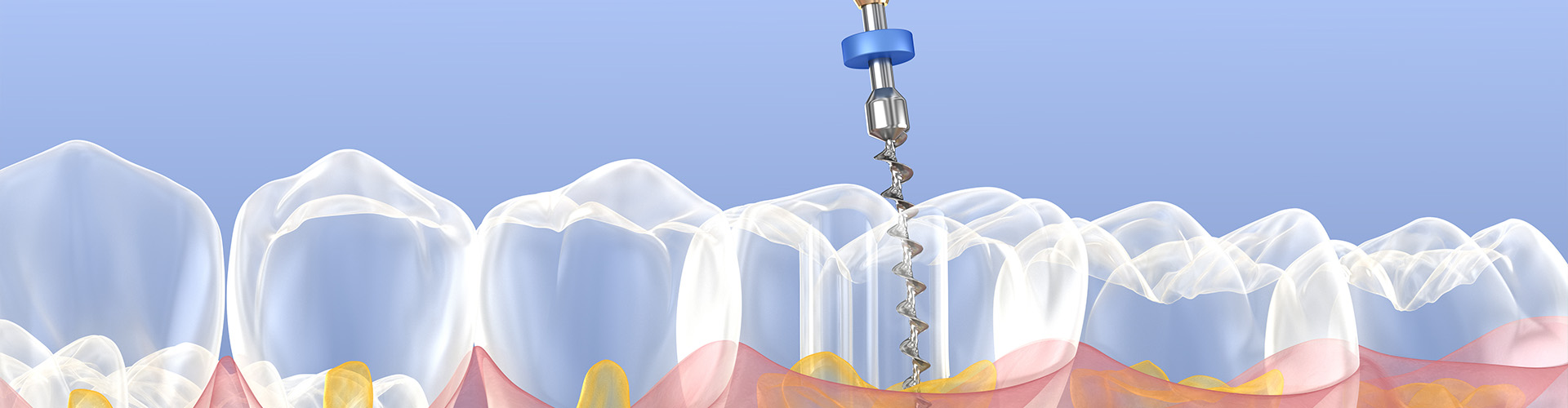
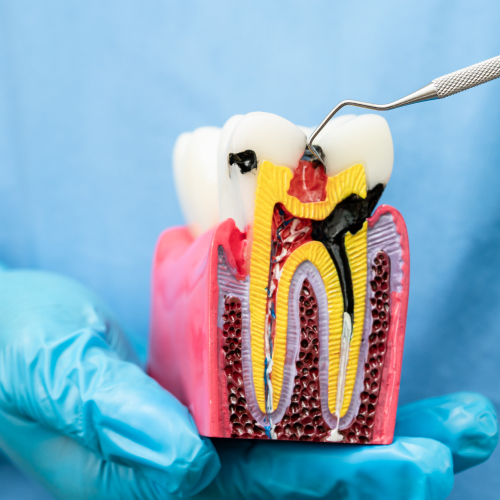
Root canal treatments are essential dental procedures that help save teeth with infected or severely damaged pulp. This procedure is often viewed with anxiety, not just for the procedure itself but also for the costs involved. Here, we'll explore the details of root canal therapy, including the necessity of a crown post-treatment, the factors influencing costs, and natural ways to maintain your oral health to potentially avoid such procedures.
Do I Need a Crown After a Root Canal?
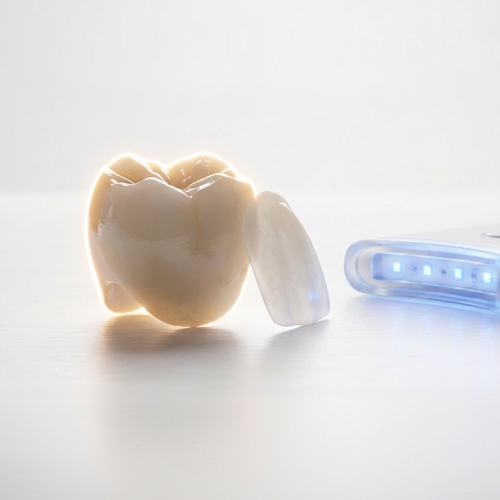
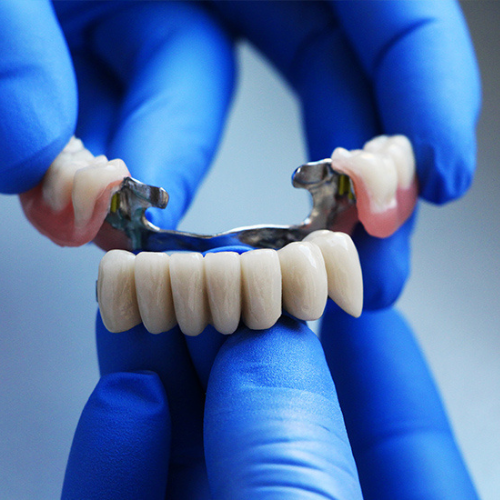
A common question patients ask after a root canal is whether they need a crown. The short answer is yes, in most cases. After a root canal, your tooth will likely be fragile. The procedure involves removing the infected or damaged pulp, which makes the tooth less stable. A crown provides the necessary support to keep the tooth functional and prevents further damage or infection.
Crowning is especially crucial for molars because these teeth endure the most force when you chew. Without a crown, the treated tooth might crack or get re-infected, leading to more dental work in the future.
How Much Does a Root Canal and Crown Cost?
When considering the cost of a root canal followed by crowning, it's important to recognize the breadth of factors that can influence the final price. These variables can create a broad spectrum of potential costs, which makes providing exact figures challenging without specific details.
Factors Influencing Cost
- Complexity of the Root Canal: The difficulty of the root canal procedure depends largely on which tooth is affected and how severe the infection is. Molars, for example, are more challenging to treat than front teeth due to their multiple roots, which can drive up the cost.
- Geographical Location: The cost of dental care varies significantly across different regions. Urban areas with a higher cost of living typically have higher dental fees compared to rural areas.
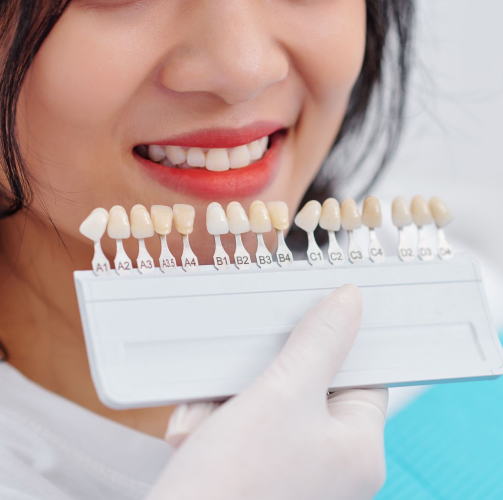
- Materials Used for the Crown: The choice of material for the crown affects the cost. Options include porcelain, ceramic, gold, and metal alloys. Porcelain and ceramic, which better mimic the natural look of teeth, tend to be more expensive than metals.
- Experience of the Dentist: Highly experienced dentists or those who specialize in endodontics may charge more for their services, reflecting their expertise and the advanced technology they might use.
Insurance and Payment Options
Dental insurance can significantly impact the out-of-pocket cost of a root canal and crown. Most dental plans cover a portion of the procedure, but the level of coverage varies:
- Percentage Covered: Many insurance plans cover root canals and crowns at different rates, often 50-80% depending on the plan specifics.
- Annual Maximums: It’s also important to consider the annual maximum benefit of your insurance, which might limit how much is covered within one year.
- Pre-Existing Conditions: Some plans have clauses that do not cover conditions that were present before you obtained the insurance.
Given these variables, discussing directly with your dental office can provide a clearer understanding of the potential costs. They can offer a cost estimate based on your specific circumstances and help you understand your insurance benefits and any available payment plans. This consultation can not only prepare you financially but also reduce any stress about the procedure, making the experience as smooth and predictable as possible.
In sum, while the combined cost of a root canal and crown can be considerable, the range is influenced by several factors. To navigate these expenses effectively, it’s advisable to engage with your dental care provider about your treatment options, associated costs, and how to best utilize your insurance coverage. This proactive approach can help manage financial expectations and ensure you receive the necessary dental care without undue financial burden.
How Can You Naturally Save Your Teeth?
Maintaining strong and healthy teeth naturally is vital for overall oral health and can help you avoid extensive procedures like root canals. Here are effective strategies to preserve your dental health through natural methods:
- Regular Brushing and Flossing: The cornerstone of oral hygiene, brushing at least twice a day with fluoride toothpaste and flossing daily, removes food particles and plaque, preventing tartar build-up which can lead to periodontal disease.
- Incorporate Mouthwash and Tongue Cleaning: Using an antibacterial mouthwash can reach areas missed by brushing and flossing, helping reduce plaque and the risk of gum disease. Cleaning your tongue regularly with a scraper also removes bacteria and contributes to overall mouth cleanliness and fresher breath.
- Adopt a Tooth-friendly Diet: Consuming foods rich in calcium and phosphorus, such as dairy products, nuts, and lean meats, helps strengthen tooth enamel. Crunchy fruits and vegetables not only clean teeth mechanically but also stimulate saliva production, which washes away food particles and neutralizes harmful acids.
- Limit Acidic and Sugary Foods: Acidic foods and beverages, as well as sugary snacks, can erode tooth enamel and feed harmful oral bacteria. Moderating these and rinsing with water after consumption can protect your teeth.
- Stay Hydrated and Avoid Tobacco: Drinking plenty of water maintains saliva flow, which naturally cleanses teeth and gums. Avoiding smoking or the use of tobacco products is crucial as these can lead to gum disease and other oral health issues.
- Regular Dental Checkups: Visiting your dentist every six months for professional cleanings and examinations can catch potential issues early. These visits also allow your dentist to perform preventive treatments that protect against decay.
By adopting these practices, you can enhance your chances of maintaining your teeth's natural integrity and strength, potentially avoiding the need for root canal treatment. These habits not only promote dental health but also contribute to your overall well-being.
Schedule Your Appointment Today
Understanding the intricacies of root canal costs and the preventive measures to maintain dental health can help alleviate some of the anxiety surrounding this common dental procedure. At our dental office, we prioritize your comfort and dental health with state-of-the-art technology and compassionate care.
If you're experiencing dental discomfort or want to discuss more on how to avoid severe dental treatments, schedule an appointment with us. Early intervention is key to saving your teeth naturally and avoiding more complex procedures. Let us help you maintain a healthy, vibrant smile!




..png)
..png)
..png)
..png)


..png)