

Severe tooth decay is a common reason for extraction, as it can compromise the tooth structure, leading to pain and infection. When the decay has progressed to an advanced stage, the tooth may be beyond repair and removal becomes the only viable option. Periodontal disease, a condition affecting the gums and supporting structures, can also necessitate tooth extraction. When the disease reaches an advanced stage, it can cause the tooth to loosen and become unstable, making extraction necessary to prevent further damage and preserve oral health. Additionally, overcrowding is a prevalent issue that may require extractions. In cases where there is insufficient space in the jaw to accommodate all the teeth, extraction of one or more teeth may be necessary to create the necessary room for proper alignment. Furthermore, impacted wisdom teeth, which fail to fully erupt, can cause pain, infection, and damage to adjacent teeth. Extraction is often recommended to prevent these complications. In all cases, tooth extraction is performed to alleviate pain, prevent further oral health problems, and restore functionality, ensuring the overall well-being of the individual.


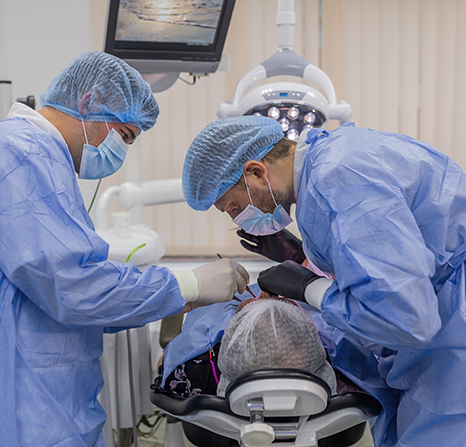
Our first goal will always be to stop your suffering as we work to restore your dental health. Dental emergencies can include toothaches, impacted wisdom teeth, loose or missing crowns and fillings, or chipped or broken teeth.




..png)
..png)
..png)
..png)


..png)