
Dental Emergency? What to Do in the Next 60 Minutes
Have a dental emergency? Learn exactly what to do and when to seek care in the first 60 minutes. Contact Dental Specialists of Riverside for urgent help today!
Read More
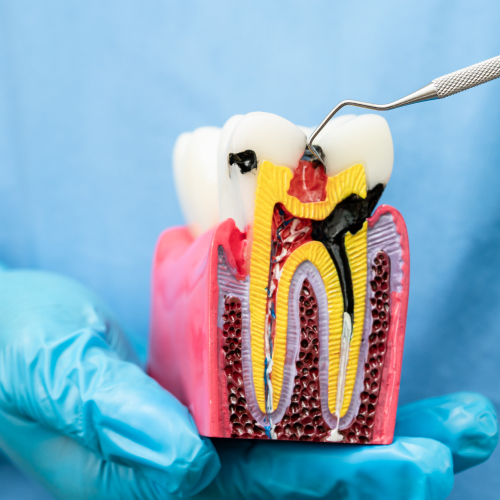
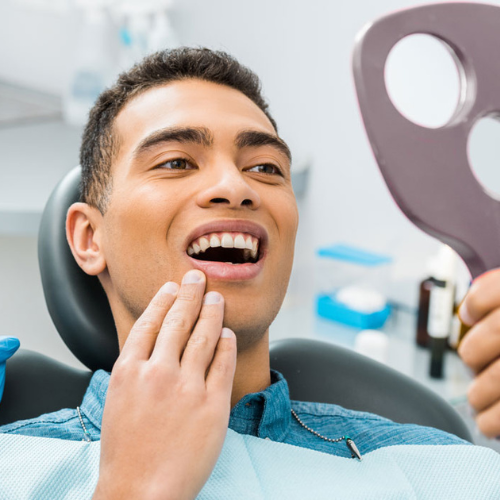
Do you have cavities? Are you aware of the damage cavities can cause to your teeth? Do you know what causes them? Many people struggle with cavities, but what are cavities, and why are they so prevalent? You may have heard that cavities can go away independently, but is this true? Here is everything you need to know about the common cavity, what they are, why we have them, and what to do about them. Also, let's look at the science behind cavities to see if they can disappear without help from a dentist. What Are Cavities And What Causes Them? Most people have heard of cavities, but many don't know exactly what they are. Cavities are one of the most common dental problems affecting children and adults. They are small holes that form in teeth when the hard outer layer of the tooth (enamel) is weakened and breaks down. The most common cause of cavities is tooth decay. It occurs when bacteria known as plaque builds up on the teeth and starts to break down the tooth enamel, the hard outer surface of the teeth. Plaque is a sticky film of food debris, bacteria, and saliva that forms on teeth. Plaque can damage your teeth if it's not removed regularly through brushing and flossing. It produces acid that attacks and breaks down the enamel. Over time, this can create a hole in the tooth, which is what we call a cavity. Cavities can also be caused by acidic drinks like soda pop or fruit juices. If you drink many of these beverages, the acid can wear away at your tooth enamel, making you more susceptible to cavities. There are also a few other things that can increase your risk of developing cavities, including poor oral hygiene, a diet high in sugary or acidic foods, and a dry mouth. Additionally, some medical conditions can also make you more prone to cavities. You may not notice a cavity when it first forms. However, as the cavity gets larger, you may experience pain or sensitivity when eating or drinking sugary or cold foods and beverages. You may also see visible holes in your teeth.
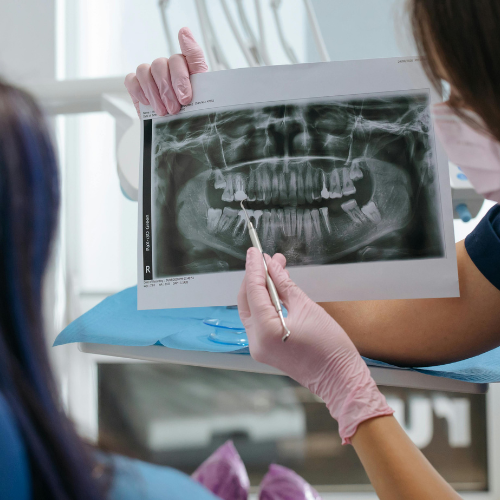
How Do You Get Rid Of A Cavity Without Going To The Dentist? It's tempting to believe that a cavity can go away independently without seeing a dentist. After all, we brush and floss our teeth every day, so how could a cavity appear out of nowhere? And if it does occur, surely it can disappear just as quickly, right? Wrong. Cavities permanently damage the tooth enamel and will not go away on their own. In fact, cavities will only get worse over time, eventually leading to pain, infection, and tooth loss. So, If you think you may have a cavity, don't wait to see if it goes away on its own. Please schedule an appointment with your dentist as soon as possible to get it checked out. Can You Make A Cavity Go Away? Cavities are one of the most common dental problems, and they can happen to anyone. Fortunately, several treatment options are available to help you get rid of cavities and keep your teeth healthy. Some treatments are more effective than others, and some come with more risks. It's important to weigh your options carefully before deciding on a course of treatment. The first step in treating cavities is to visit your dentist. They will be able to diagnose the problem and recommend the best course of action depending on the severity of the cavity and the tooth affected. No matter what treatment option your dentist recommends, it's important to follow their instructions and have regular checkups to ensure that your teeth remain healthy. You can keep cavities at bay with proper care and enjoy a lifetime of healthy smiles. Some of the common treatments include: -Filling: A simple filling may be all that is needed for a small cavity. This is a relatively straightforward procedure that can be done quickly and easily. This will restore the tooth to its original shape and function. However, fillings may not last as long as other options, and they may not be ideal if the cavity is large. Fillings can be made from a variety of materials, including gold, silver, amalgam (a mixture of metals), or composite resin (plastic). The type of filling used will be based on the location and size of the cavity, as well as the patient's preference. -Crown: Crowns are another option for treating cavities. If the cavity is too large or too close to the nerve of the tooth, then a crown may be necessary. A crown is basically a "cap" that covers the entire tooth. It is usually made of porcelain or ceramic and is color matched to your natural teeth. They are more expensive than fillings but can last for many years with proper care. -Surgical treatment: Finally, you could opt for dental surgery like a root canal or an extraction to remove the cavity entirely. This is usually reserved for cases where the cavity is large, deep within the tooth (pulp), or causing pain. Surgery carries some risks, but it may be the best option for treating cavities and saving the tooth from further damage.
What Will Happen If A Cavity Is Left Untreated? Cavities are nothing to be taken lightly. If left untreated, the cavity will get worse and worse and lead to some serious problems. The tooth decay will continue to spread, causing more cavities and leading to an abscess, which is a buildup of pus around the tooth. Eventually, the whole tooth could fall out. This can be extremely painful and lead to other health problems. In extreme cases, the infection can lead to sepsis and blood poisoning or even spread to the brain, which can be fatal and even lead to death. Sepsis is a life-threatening condition that occurs when an infection spreads throughout the body and causes organ failure. Blood poisoning is also potentially fatal and occurs when bacteria from an infection enter the bloodstream and spread throughout the body. While other complications are not typically life-threatening, they can cause significant pain and discomfort. So if you have a cavity, getting it treated as soon as possible is important. The longer you leave it, the more expensive it will be to treat, so it's best to nip it in the bud early on. How To Prevent Cavities In The First Place Cavities are one of the most common dental problems and can be quite painful. Fortunately, several treatment options are available to help relieve the pain and restore your smile. But the best way to deal with cavities is to prevent them in the first place. Don't let cavities ruin your smile! Follow these simple tips to help prevent them, and see your dentist if you think you may have one. There are a few simple things you can do to help avoid cavities: -Brush your teeth twice a day with fluoride toothpaste. -Floss your teeth every day. -Eat healthy foods and limit sugary snacks. -Visit your dentist regularly for checkups and cleaning.
Fresh news from the dental world




Mon, Tues, Thur 9AM - 6PM
Weds 10AM - 7PM
Friday 8AM - 5PM
Sat & Sun Closed
Check out what our patients are saying in Riverside...


“What a Difference...”
“My wife and I recently decided to try teeth whitening here. Wow! What a difference. Thank you!”

“So Comfortable...”
"I have been coming here for years and I love this place. I feel so comfortable whenever I go into ortho. Everyone's really friendly! The ladies at the front desk are my favorite, they're always so helpful and always try their best to work around my schedule. Would definitely recommend!"

“Expert Care...”
“I have come a long way with all my dental issues. I’ve been able to take back control of my dental health because of the expert care I’ve received over the years at Dental Specialists of Riverside. I highly recommend this place because they won’t pressure you into stuff that you don’t need or that you are not ready for.”
..png)
“Never Disappointed...”
“I don’t have much time to waste, so I always get my whitening done by the good folks at Dental Specialists of Riverside. Never disappointed.”
“What a Difference...”
“My wife and I recently decided to try teeth whitening here. Wow! What a difference. Thank you!”
“So Comfortable...”
"I have been coming here for years and I love this place. I feel so comfortable whenever I go into ortho. Everyone's really friendly! The ladies at the front desk are my favorite, they're always so helpful and always try their best to work around my schedule. Would definitely recommend!"
Check out our accreditations, sources, and relationships in the wide world of dentistry...
..png)
..png)
..png)
Check us out and follow our Riverside, CA practice on social media...


..png)