At some point in life, we all want a brighter smile and fresher breath. And while teeth whitening has become increasingly popular in recent years, you may not know exactly what you're getting into. There's still plenty to learn before you get started. This guide will give you the facts about teeth whitening to help you make an informed decision about your treatment.
What Is Teeth Whitening?
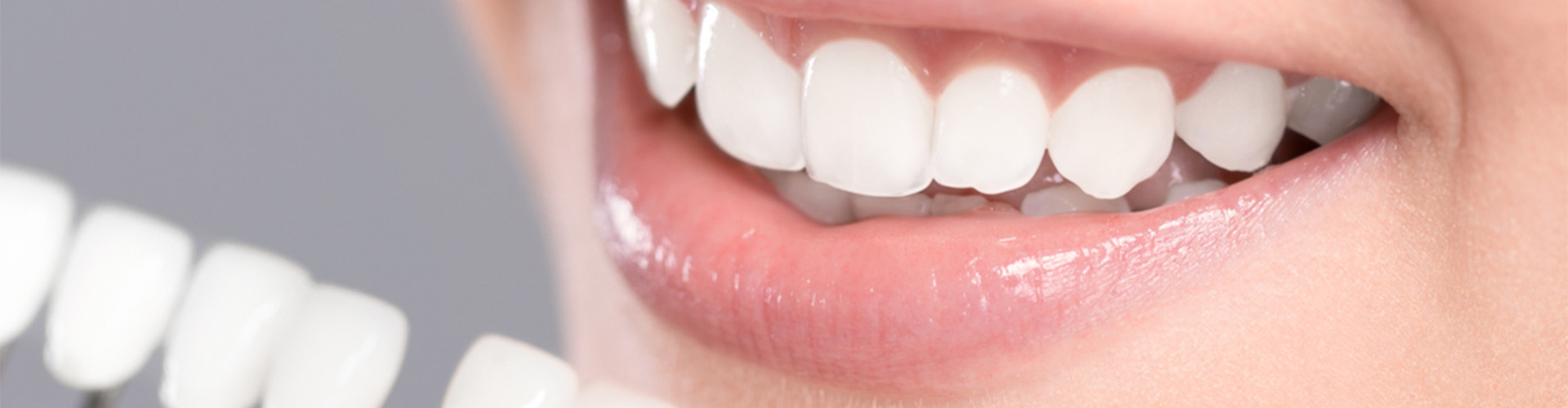
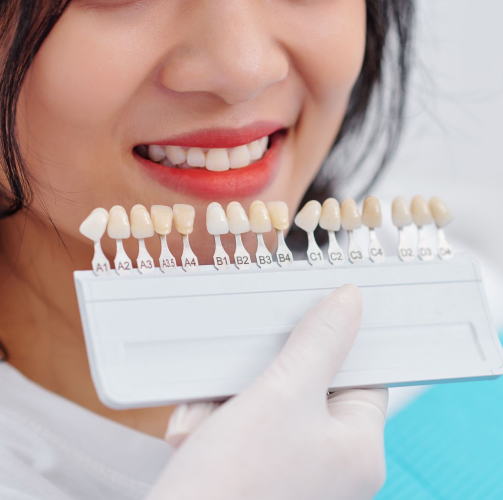
Teeth whitening is a process of lightening the teeth by removing stains and discoloration. It can be done at home using over-the-counter products or at a cosmetic dentist's office. Whitening your teeth is a great way to boost your confidence and make your smile look its best. The process of whitening teeth involves using a bleaching agent to remove stains and discoloration from the surface of the teeth. Teeth whitening can make your teeth appear brighter and help to remove minor stains, but it's not a cure-all for every dental issue. Whitening won't change the color of your teeth, or it's hard to treat if they are stained by medications or trauma, and it won't change the overall structure of your teeth. If you have questions about whether teeth whitening is right for you, talk to your dentist. They can help you understand the benefits and risks involved in the procedure and help you determine if it's the best way to achieve your desired results.
Who Can Benefit From Teeth Whitening?
There are many people who can benefit from teeth whitening. You may be a candidate for this procedure if you have discolored teeth. Teeth whitening can also be used to brighten your smile if your teeth are stained from smoking or drinking coffee or tea. You may be a good candidate for teeth whitening if you have healthy gums and teeth.
Teeth Whitening Methods - Which One Is Best For You?
When you whiten your teeth, you are essentially bleaching them. This is done by using a hydrogen peroxide or carbamide peroxide-based solution that breaks down into oxygen molecules and penetrates the tooth enamel. The oxygen then reacts with the stains on your teeth, breaking them up and making them less visible. The teeth whitening process can take anywhere from 1 or 2 appointments to a couple of months, depending on how stained your teeth are and which whitening method you choose. If you are considering whitening your teeth, you must talk to your dentist first. They can help you decide which method is best for you and ensure that you are not causing any damage to your teeth in the process.
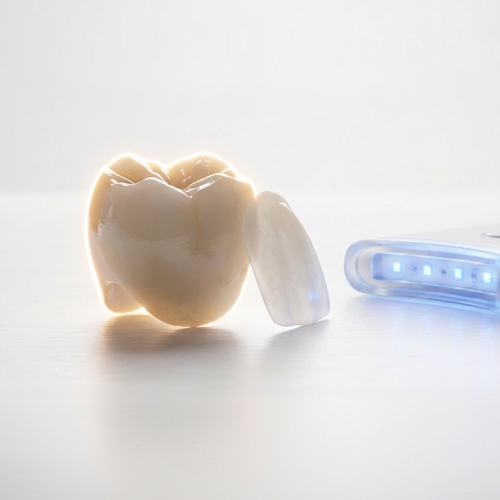
You can whiten your teeth in two ways: at-home whitening kits and professional in-office teeth whitening. If you want to achieve the quickest and most dramatic results, professional in-office teeth whitening may be the best option for you. However, if you're looking for a more affordable or convenient solution, at-home teeth whitening kits can also be effective. The best treatment for you will depend on your individual needs and preferences. At-home kits usually take longer to work than professional treatments, but they are usually much cheaper than professional teeth whitening.
Is Whitening Your Teeth Permanent?
If you're considering whitening your teeth, you're probably wondering how long the results last. Unfortunately, there is no definitive answer to this question. The length of how long teeth whitening results last depends on a number of factors, including the type of whitening treatment used, the depth of the stains being treated, and your personal oral hygiene habits. In short, how well you take care of your teeth and what types of foods and drinks you consume. There is no such thing as "permanent" teeth whitening. The results will eventually fade over time, and you'll need to touch up your treatment every few months or once a year to maintain the results. However, if you take good care of your teeth and avoid foods and drinks that can stain them, you can prolong the effects of your treatment and keep your smile looking its best!
What Can You Not Do After Teeth Whitening?
If you've just had your teeth whitened, congratulations! You now have a beautiful, bright smile. But what if your teeth get stained or yellow again, you can't just brush them off and hope they go away. While everyone wants to have white teeth, there are several factors why the teeth might get stained and yellow, and you should avoid doing them to make sure your teeth stay looking their best. Some of these factors include:
-Drinking dark-colored beverages: Coffee, tea, red wine, cola, and other dark-colored juices are the most common cause of discoloration of teeth. These drinks stain our teeth, especially if they are not rinsed immediately after drinking. If you must drink them, do so through a straw placed well back from your front teeth.
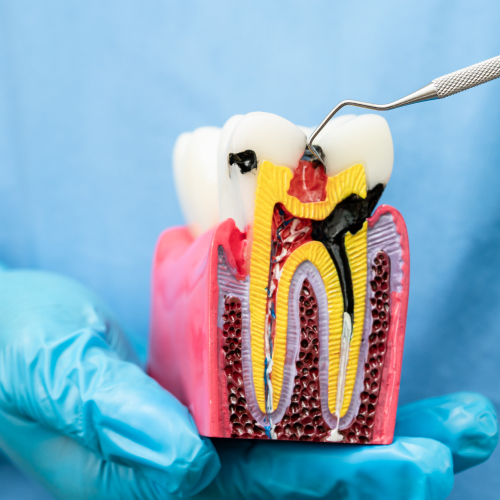
-Not brushing your teeth regularly: Poor dental hygiene habits can also contribute to staining and yellowing, as plaque and tartar build-up on the teeth can create a dull appearance. You should also attend regular cleaning appointments.
-Eating dark-colored foods: Certain foods can cause discoloration of our teeth. Foods such as soy sauce, green vegetables, and dark berries can cause staining. Too much sugar in your diet will also cause your teeth to become yellow.
-Medications: Sometimes, medications can cause yellowing or browning of our teeth. Taking certain medications, such as tetracycline, causes intrinsic staining. Tetracycline staining of teeth is caused by the presence of calcium ions in the saliva. As the stain develops in the tooth enamel, it will become a permanent part of the tooth's structure.
-Smoking: Smoking is terrible for your oral health anyway, if you smoke cigarettes, it will also undo all the good work you just had done on your teeth, and your teeth will likely get stained again. Tobacco in cigarettes contains nicotine and tar. These products can discolor your teeth, so quit smoking if you can.
Does Whitening Damage Your Teeth?
There's no doubt that teeth whitening is a popular way to improve your appearance. But does it come at the expense of your oral health? Some argue that teeth whitening can damage your teeth because of the harsh chemicals used in the process. However, many dentists argue that teeth whitening is safe and effective when done correctly. Ultimately, it is up to the individual to decide whether or not they want to whiten their teeth. There are risks and benefits associated with both choices. When performed by a qualified dentist, teeth whitening is safe. However, there are some potential side effects that you should be aware of, including:
-Sensitivity: Some people may experience temporary sensitivity to cold or hot drinks after whitening their teeth. This is usually temporary and will resolve on its own.
-Gum irritation: Whitening products and laser treatment can cause gum irritation in some people. This is usually temporary and will resolve with time, and it's important to ensure that the dentist performing the procedure is experienced.
-White spots: In rare cases, teeth whitening can cause white spots to form on the surface of your teeth. This is usually due to overuse of whitening products and can be resolved by discontinuing the use of the product.
The bottom line is that teeth whitening is generally safe for most people. However, following the directions carefully is important as not overdoing them. If you have sensitive teeth, you may want to avoid whitening products altogether or talk to your dentist about a more gentle option.





..png)
..png)
..png)
..png)


..png)