Teething time is no fun for anyone. You never want to see a child suffer, especially when the cause can be fixed. Babies are cranky, parents are tired, and teeth are hurting. But when does it make sense for a pediatric dentist to pull baby teeth? You're probably aware that teeth are not meant to be removed without proper preparation. However, it's still important to know when it's appropriate.
Why Is It Important To Take Care Of Baby Teeth?
Baby teeth, also called primary teeth, are the first teeth that a child gets. Most parents don't realize those baby teeth are just as important as adult teeth. They usually start to come in around six months of age. All 20 of a child's primary teeth should be in by age 3. Most baby teeth fall out on their own between ages 6 and 12. The last baby tooth is usually lost around age 12 or 13. The permanent (adult) teeth then begin to come in. Baby teeth play a critical role in your child's development. They not only help with chewing and speaking ability, but they also hold space for permanent teeth. If baby teeth are lost too early, permanent teeth can drift into empty spaces and cause problems with bite and alignment. It is recommended that children see a dentist by their first birthday. A dental checkup at this young age is important to ensure that the child's teeth and mouth are healthy and to catch any problems early. Children must also have their first dental cleaning by age 3. This cleaning is important to remove any plaque or tartar that has built up on the child's teeth. Plaque is a sticky film of food and bacteria that can cause cavities. Tartar is hardened plaque that can only be removed by a dentist or dental hygienist.
Should I Have My Child’s Tooth Extracted?
In most cases, the answer is never. Generally, it's best to leave baby teeth in until they're ready to fall out independently. This is because baby teeth play an important role in developing and help guide adult teeth into place. Plus, they act as placeholders so that there are no gaps when adult teeth come in. So while it may be tempting to have a child's tooth extracted early, it's usually best to wait until the tooth is ready to come out on its own. However, there are some circumstances where extraction might be recommended or necessary. Baby teeth should only be removed if they are causing problems or if they are preventing permanent teeth from coming in properly. If your child has any of the following issues, your dentist will likely recommend that some of their baby teeth be extracted. However, it's important to note that this is not always necessary. In some cases, baby teeth can be saved even if they are decayed or crowded. If you have any concerns about your child's teeth, it's always best to consult with a dentist as soon as possible.
Some of the reasons why baby teeth need to be pulled include the following:
-Sometimes, baby teeth don't fall out independently, preventing permanent teeth from coming in. In this case, your dentist may need to pull the tooth.
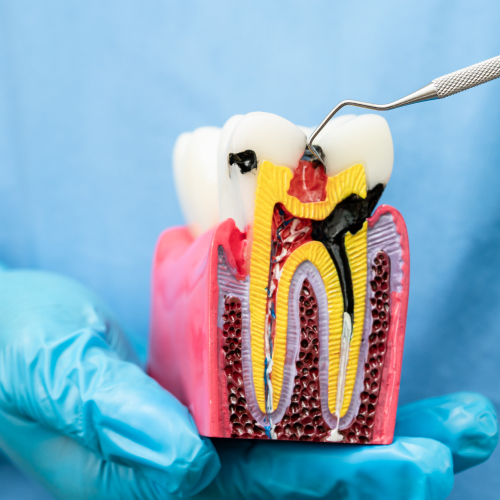
-If a tooth is severely decayed, it will need to be removed in order to prevent the spread of infection.
-If the tooth is chipped or cracked and is unable to be fixed.
-If your child has a history of cavities or gum disease, extracting the tooth may be necessary to prevent further problems.
How Do I Prepare My Child For Tooth Extraction?
Are you considering having your child's teeth extracted? It's important to ensure that your child is prepared for the procedure. If you have any questions about how to prepare your child for tooth extraction, talk to your doctor, they'll likely tell you more about what you need to do to prepare your child by determining your child's situation.
-Find a qualified and trustworthy dentist who will ensure that your child has a good experience and that their teeth are extracted safely and painlessly.
-The best way to prepare your child for tooth extraction is to ensure that they understand what's going to happen. You can do this by talking to them about it beforehand or by reading them a book about it. It would be best if you also let them know that they may feel some discomfort after the procedure but that it will go away eventually. For this, you should work with your surgeon and research the procedure to know the answers to all questions your child may ask.
-Give your child something that will remind them of home. Whether your child is a big fan of Star Wars, Marvel, and Disney characters or has a favorite stuffed toy or blanket, bring it with you if your child wants to take it with them. A comforting object like this makes a child feel safer when they're in a scary or stressful situation and makes them think of home.
-Finally, make sure that your child understands the importance of this procedure and takes care of their remaining teeth and dental hygiene in general. Also, make sure that you're there with them during the procedure so that they can feel comfortable and safe.
How Do You Take Care Of A Child After Tooth Extraction?
After your child's baby teeth have been extracted, it is important to take care of the area where the teeth were removed. This means doing things like:
-Ensure your child takes it easy for the rest of the day and avoids strenuous activity. Give them soft foods to eat and encourage them to drink plenty of fluids.
-Keep your other teeth clean by gently brushing them with a soft toothbrush and avoiding the extraction site, or clean it with a very light touch.
-When the dentist completes tooth extraction, they would recommend using a small, dampened gauze sponge on the extraction site as packing material to control bleeding while the blood clot forms. Replace the gauze sponge with a new one as it begins to soak through with blood. Contact your dentist if your child has bleeding more than 24 hours after the procedure.
-Give your child plenty of soft foods and liquids to eat. Avoid hard and crunchy foods that could irritate the extraction site, and make sure your child takes their pain medication as prescribed by their dentist.
-Apply a cold compress to the extraction site for 20 minutes to reduce swelling. You can also rinse your child's teeth with warm salt water to reduce swelling.
-It is also important to ensure your child does not put anything in their mouth that could cause an infection, such as a straw or a popsicle stick.
-Monitor the extraction site for any signs of infection, such as redness, swelling, or drainage. If you see any of these signs, be sure to get in touch with your dentist immediately.
-Be sure to follow up with your dentist's recovery process. It is a key part of your child's safety.
Are There Any Risks Associated With Pulling Baby Teeth?
The risks associated with pulling baby teeth are minimal. However, as with any medical procedure, some risks are involved. The most common complication from a baby tooth extraction is bleeding. Other complications may include swelling, bruising, and pain at the extraction site. These complications are usually mild and can be easily treated with over-the-counter medication. If you have any questions or concerns about whether or not extraction is right for your child, be sure to speak with your dentist. They can answer any questions and help you make the best decision for your child's oral health.







..png)
..png)
..png)
..png)


..png)