
Dental Emergency? What to Do in the Next 60 Minutes
Have a dental emergency? Learn exactly what to do and when to seek care in the first 60 minutes. Contact Dental Specialists of Riverside for urgent help today!
Read More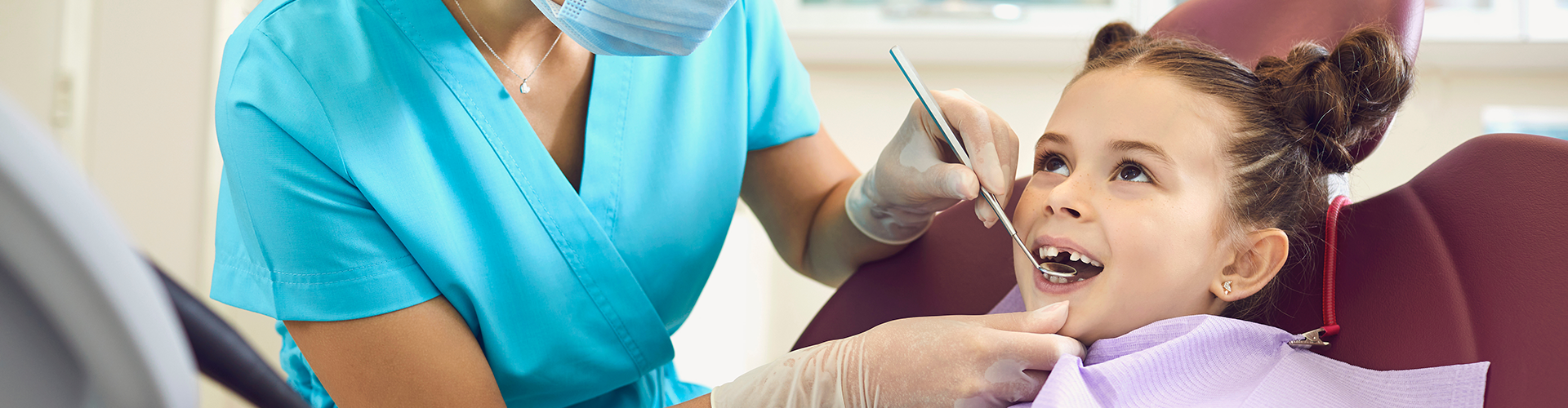
If you're a parent, you already know that kids come with a long list of "firsts", first steps, first words, first haircut. But what about their first dental visit? It might not make the baby book, but it's just as important. Early dental care helps build strong habits and spot small problems before they become big ones. Still, many parents wait too long or feel unsure about what that first visit involves. Let’s change that.
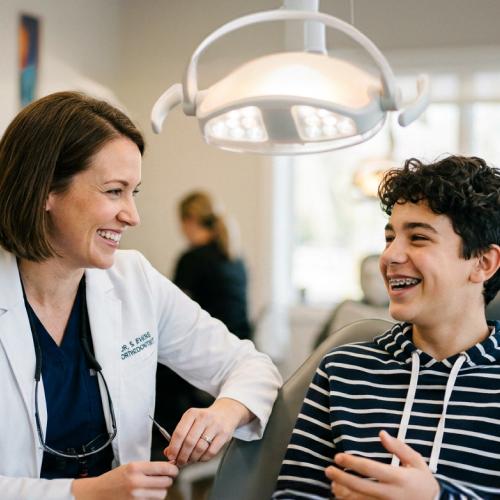
Creating a positive dental experience early in life sets the tone for how your child will feel about the dentist for years to come. At Dental Specialists of Riverside, we understand that visiting the dentist might feel unfamiliar (and even a little scary) for some kids. That’s why we take extra care to make the experience calm, comfortable, and yes, even fun.
In this blog, we’ll break down when to book your child’s first visit, what to expect, and how often you should keep those appointments coming.
The American Academy of Pediatric Dentistry recommends that children see a dentist by their first birthday or within six months after their first tooth appears, whichever comes first. This might sound early, but there are good reasons behind the timeline.
Even baby teeth are vulnerable to decay. And just because they’ll fall out eventually doesn’t mean they don’t matter. Baby teeth play a key role in helping your child chew properly, speak clearly, and even guide their permanent teeth into the right position.
An early visit also allows the dentist to check for any developmental issues and help parents get clear, simple advice on home care. Plus, when dental visits start young, they become part of your child’s routine instead of something to fear.
If your child is already past this age and hasn’t had a checkup yet, don’t worry. The best time to start is always now.
Your child’s first dental appointment is more about comfort than cleaning. Think of it as a warm introduction, not a clinical procedure. The goal is to gently ease your child into the idea of dental care—by helping them feel familiar with the sights, sounds, and people at the dental office. Everything is paced according to your child’s comfort level.
Here’s what typically happens:
It’s also normal if your child feels unsure, cries a little, or clings to you. They’re navigating a brand-new environment, and emotions can be big. A well-trained pediatric dental team knows how to read cues, redirect attention, and keep things calm. There's never pressure to “perform” or finish everything on a strict timeline.
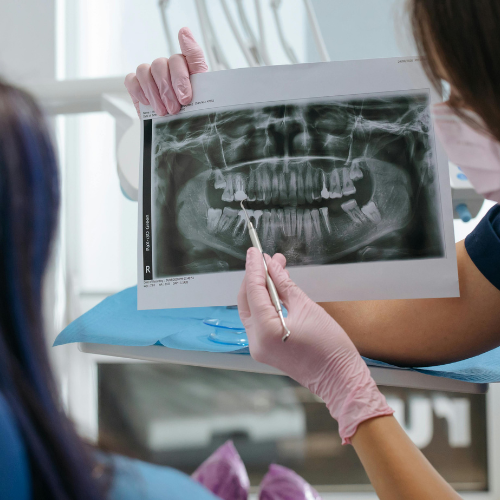
If your child is older and coming in for their first visit, the appointment may be more involved. The dentist might take X-rays to assess the position of developing teeth or identify hidden cavities. A full cleaning is also more likely, along with a deeper conversation about brushing technique, diet, and flossing habits.
Either way, the first visit sets the tone—not just for their next appointment, but for their lifelong attitude toward oral care. It’s a chance to show your child that the dentist isn’t a place to fear, but a place where they’re supported and cheered on.
For most kids, dental visits should happen every six months. These regular checkups help prevent cavities, monitor oral development, and reinforce good habits.
However, some children might need more frequent visits. For example:
Your dentist will recommend the best schedule based on your child’s specific needs.
Regular visits are more than just cleanings, they’re an opportunity to teach your child that oral health is a priority. It also gives parents peace of mind knowing a professional is keeping an eye on things as your child grows.
Worried about how your child will handle the dentist? You’re not alone. Here are a few tips to make it easier:
Start young. The earlier you start, the less likely dental visits will feel intimidating.
Play dentist at home. Use a toothbrush and let your child pretend to examine your teeth (and vice versa).
Avoid scary words. Skip words like “shot,” “drill,” or “hurt.” Let the dental team explain things in a kid-friendly way.
Stay calm. Kids pick up on anxiety, so if you’re relaxed, they’re more likely to be too.
Use praise. Celebrate their bravery and reward them with something small but meaningful.
Read books or watch videos. Choose children’s stories that explain dental visits in a fun, lighthearted way.
Not every dental visit can wait six months. Call your dentist if your child:
These issues are worth addressing sooner to prevent bigger problems.
Kids who get used to going to the dentist are less likely to develop dental anxiety as they grow older. More importantly, they learn to take care of their teeth in ways that stick with them for life.
Early dental care isn’t just about preventing cavities it’s about building a foundation of confidence, independence, and overall health. Plus, healthy baby teeth make way for healthy adult ones.
Whether your child is teething or already tackling multiplication tables, it’s never too early (or too late) to prioritize their dental health. At Dental Specialists of Riverside, we’re here to make sure every visit is a positive step toward a lifetime of healthy smiles.
If your child is ready for their first appointment or just due for a checkup, we’d love to meet you both. Schedule your child’s dental visit today, we’ll help make it a happy one.
Fresh news from the dental world


Mon, Tues, Thur 9AM - 6PM
Weds 10AM - 7PM
Friday 8AM - 5PM
Sat & Sun Closed
Check out what our patients are saying in Riverside...


“What a Difference...”
“My wife and I recently decided to try teeth whitening here. Wow! What a difference. Thank you!”

“So Comfortable...”
"I have been coming here for years and I love this place. I feel so comfortable whenever I go into ortho. Everyone's really friendly! The ladies at the front desk are my favorite, they're always so helpful and always try their best to work around my schedule. Would definitely recommend!"

“Expert Care...”
“I have come a long way with all my dental issues. I’ve been able to take back control of my dental health because of the expert care I’ve received over the years at Dental Specialists of Riverside. I highly recommend this place because they won’t pressure you into stuff that you don’t need or that you are not ready for.”
..png)
“Never Disappointed...”
“I don’t have much time to waste, so I always get my whitening done by the good folks at Dental Specialists of Riverside. Never disappointed.”
“What a Difference...”
“My wife and I recently decided to try teeth whitening here. Wow! What a difference. Thank you!”
“So Comfortable...”
"I have been coming here for years and I love this place. I feel so comfortable whenever I go into ortho. Everyone's really friendly! The ladies at the front desk are my favorite, they're always so helpful and always try their best to work around my schedule. Would definitely recommend!"
Check out our accreditations, sources, and relationships in the wide world of dentistry...
..png)
..png)
..png)
Check us out and follow our Riverside, CA practice on social media...


..png)