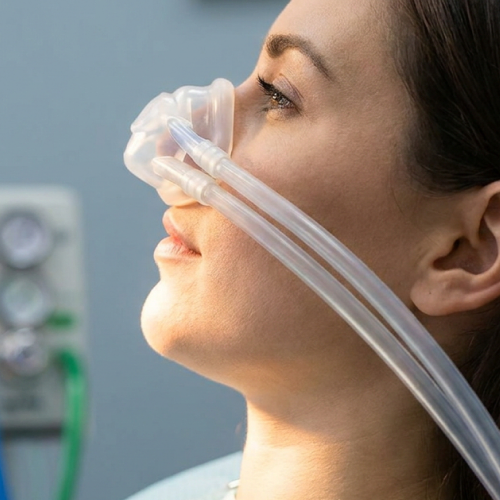
Is Sedation Dentistry Safe and What Are the Risks You Need to Know?
Curious about sedation dentistry safety and risks? Learn about the safest options for your next dental procedure. Schedule your stress-free visit today!
Read More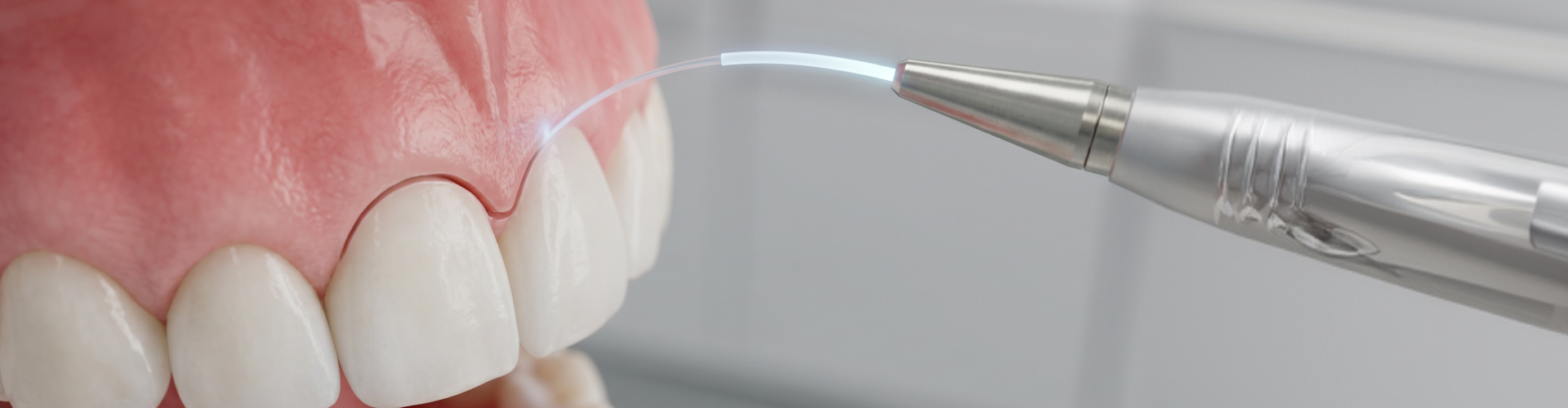
Gum contouring recovery ranges from 24 hours to several weeks depending on whether a laser or scalpel was used — and whether bone was involved. Most patients return to normal activities quickly, but understanding the healing stages prevents unnecessary panic and protects your results.
Most articles treat gum contouring as one procedure. It isn't. There are two meaningfully different versions, and they have completely different recovery paths.
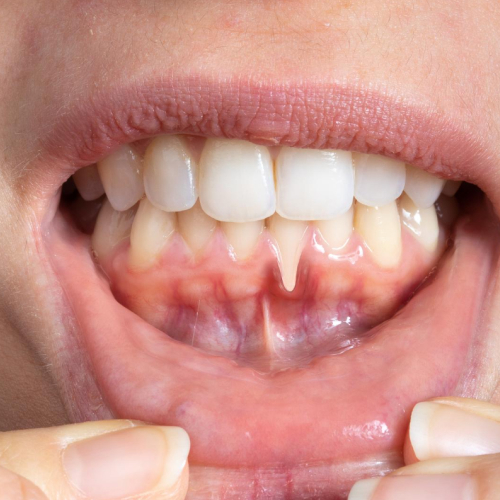
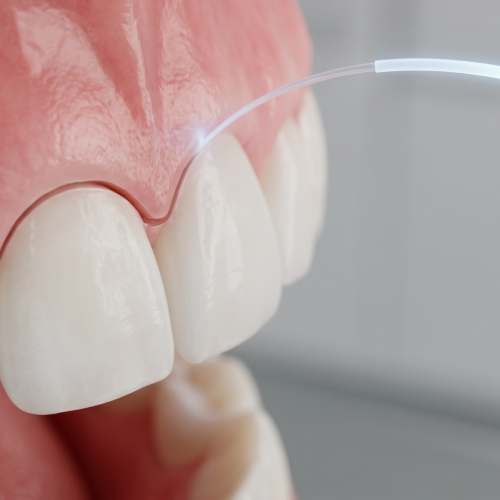
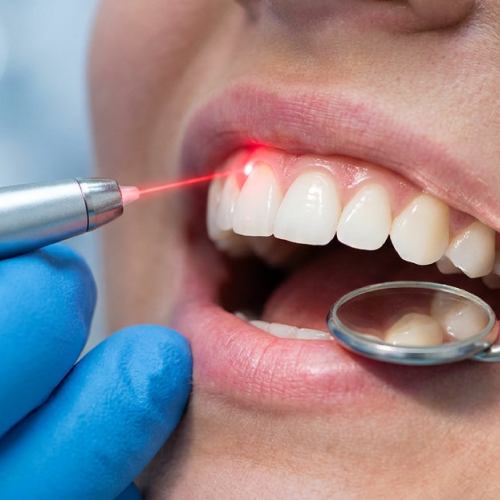
Soft-tissue gingivectomy removes only excess gum tissue. A diode laser performs this in a single pass, cauterizing blood vessels and nerve endings instantly. The result: no stitches, minimal swelling, and most patients feel comfortable within 24 to 48 hours. A Healthline overview of gum contouring confirms the procedure typically takes one to two hours in-office, with recovery spanning a few days to a few weeks depending on scope.
Bone-involved crown lengthening is a different story. When your gumline is driven by underlying bone position — not just excess tissue — the bone must be reshaped (osteoplasty) to prevent gums from migrating back. This procedure routinely runs 90 minutes or longer, always requires surgical sutures, and involves deep-tissue healing that extends three to six months. If you're planning porcelain veneers or crowns after gum contouring, this distinction matters enormously. Placing permanent cosmetic restorations before the gumline fully stabilizes risks having to redo the work entirely.
The scalpel-versus-laser choice creates a parallel divide. Scalpel contouring requires active clot management, a strict soft-food diet for seven to ten days, and suture removal at a follow-up appointment. Laser contouring sidesteps all of that. WebMD's guide to gum contouring surgery notes that dentists now use scalpels, lasers, and radiosurgery — and that the right choice depends on your specific anatomy and the extent of reshaping needed.
The takeaway: ask your specialist exactly which procedure applies to you before assuming any particular recovery timeline.
Patients frequently contact dental offices in a panic around days three to five of recovery. The reason: a white, yellowish, or grayish film has appeared over the healing gum tissue.
This is almost always oral granulation tissue — the mouth's version of a scab. It forms as the body seals the wound and lays down new collagen. It looks alarming because the oral environment is wet, meaning healing tissue doesn't form a dry crust the way a skin wound does. Instead, it develops this soft, pale coating.
Granulation tissue is a positive sign. It means healing is progressing normally.
Actual complications look different. Signs that warrant a call to your specialist include:
The pale film alone, without these accompanying symptoms, is not an emergency. Gently rinsing with warm salt water as directed by your provider keeps the area clean without disturbing the healing tissue. Avoid vigorous swishing or touching the area with your tongue during this window.
Research published in PMC on post-surgical soft tissue wound healing confirms that oral wounds heal through well-defined stages, and that secondary-intention healing — where the tissue surface is intentionally altered — predictably produces this type of visible coating before full re-epithelialization occurs.
Whether you need stitches depends directly on which procedure and which tool your specialist used.
Laser-only soft-tissue contouring: No stitches in most cases. The laser seals as it cuts. You'll leave the office the same day with minimal bleeding, and the soreness is typically manageable with over-the-counter pain relief.
Scalpel-based or bone-involved procedures: Sutures are standard. They hold repositioned tissue in place while initial healing occurs. Your specialist will schedule a follow-up to remove them, usually within one to two weeks.
For the gum grafting scenario — where gum disease or recession requires adding tissue rather than removing it — WebMD's overview of gum tissue graft surgery explains that tissue is taken from the palate and sutured around the affected teeth, making the recovery more involved than cosmetic contouring alone.
A general sequence for soft-tissue laser contouring looks like this:
A Healthline article on gingivectomy procedures notes that laser-based approaches allow faster healing and natural cauterization, with a lower risk of infection compared to scalpel methods — a meaningful advantage for patients managing recovery around work or family commitments.
Not every dental provider performs the full range of gum contouring procedures. Soft-tissue cosmetic reshaping is within the scope of trained aesthetic dentistry providers. Crown lengthening with bone involvement, gum grafting, and laser periodontal procedures require a periodontist — a specialist with advanced training in the structures supporting your teeth.
According to Healthline's laser gum surgery resource, it's critically important to use a periodontist trained specifically in laser techniques if you're pursuing that approach. The technology requires procedural expertise beyond simply owning the equipment.
For Inland Empire residents in Riverside and Corona, having access to specialist-level care means your procedure is matched to the actual cause of your gummy smile — whether that's excess tissue, bone position, or gum recession — rather than applying a one-size approach. After your gum contouring heals, maintaining results with regular cleaning and exam appointments helps protect your gumline long-term.
Every gum contouring case is different. The procedure length, stitch requirement, and recovery timeline all depend on your anatomy and treatment goals. Dental Specialists of Riverside serves patients throughout Riverside and the Inland Empire with specialist-level periodontal and cosmetic care. If a dental emergency arises during your recovery, our team is available to help. Contact our office to schedule a consultation and get a clear, honest picture of what your specific procedure would involve.
Medical disclaimer: This article is intended for informational purposes only and does not constitute medical or dental advice. Always consult a licensed dental professional for diagnosis and personalized treatment recommendations.
Fresh news from the dental world


Mon, Tues, Thur 9AM - 6PM
Weds 10AM - 7PM
Friday 8AM - 5PM
Sat & Sun Closed
Check out what our patients are saying in Riverside...


“What a Difference...”
“My wife and I recently decided to try teeth whitening here. Wow! What a difference. Thank you!”

“So Comfortable...”
"I have been coming here for years and I love this place. I feel so comfortable whenever I go into ortho. Everyone's really friendly! The ladies at the front desk are my favorite, they're always so helpful and always try their best to work around my schedule. Would definitely recommend!"

“Expert Care...”
“I have come a long way with all my dental issues. I’ve been able to take back control of my dental health because of the expert care I’ve received over the years at Dental Specialists of Riverside. I highly recommend this place because they won’t pressure you into stuff that you don’t need or that you are not ready for.”
..png)
“Never Disappointed...”
“I don’t have much time to waste, so I always get my whitening done by the good folks at Dental Specialists of Riverside. Never disappointed.”
“What a Difference...”
“My wife and I recently decided to try teeth whitening here. Wow! What a difference. Thank you!”
“So Comfortable...”
"I have been coming here for years and I love this place. I feel so comfortable whenever I go into ortho. Everyone's really friendly! The ladies at the front desk are my favorite, they're always so helpful and always try their best to work around my schedule. Would definitely recommend!"
Check out our accreditations, sources, and relationships in the wide world of dentistry...
..png)
..png)
..png)
Check us out and follow our Riverside, CA practice on social media...


..png)