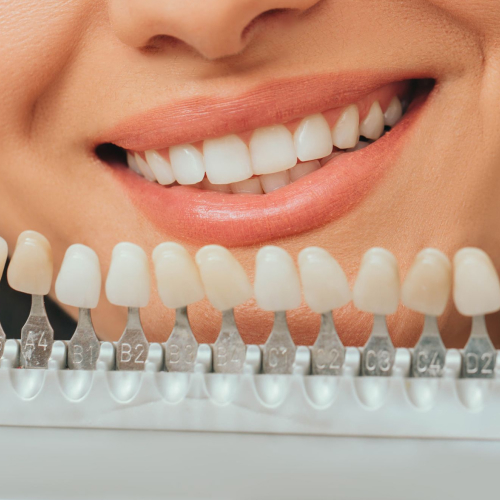
Dental Veneers: How Many Visits, How Much Enamel, and What to Expect
Curious about dental veneers? Learn how many visits it takes, how much enamel is removed, and what to expect. Schedule your consultation in Riverside today!
Read More
A dental emergency can go from manageable to catastrophic within an hour. Knowing exactly what to do — before you reach the dentist's chair — can mean the difference between saving and losing a tooth. This guide covers the actions that matter most, in the order they matter.
When a tooth gets knocked out, the clock starts immediately. For Riverside-area patients, knowing the nearest emergency clinic is vital. According to WebMD, knocked-out teeth have the highest chance of being saved when they're returned to the socket within one hour.
Here's what to do during that window:
Handle the tooth correctly. Pick it up by the crown — the white part you normally see — never the root. Scrubbing or touching the root damages the ligament cells that allow reimplantation.
Choose the right storage liquid. Not all liquids are equal:
Control the bleeding. Fold sterile gauze into a firm pad and apply direct pressure to the socket. Hold it steadily — don't dab or lift repeatedly. Maintain pressure for the entire drive.
Skip the socket if you're unsure. Attempting to reinsert the tooth yourself is ideal, but only if you can do it without forcing it. Never jam a tooth into a socket. If the person is disoriented, a child, or the tooth is visibly dirty, store it in milk and go.
Call ahead. Let the dental office know you're en route with an avulsed tooth. Most practices reserve time for exactly these dental emergency situations.
Pain is not a reliable indicator of urgency. Several time-sensitive dental crises present with little or no discomfort — and that silence is exactly what makes them dangerous.
1. Color shift after trauma. If a tooth appears pink or gray days after an impact, that's a warning sign of internal resorption or pulp death. The nerve may be dying without producing significant pain. Waiting weeks to "see if it gets better" allows irreversible structural damage to progress.
2. A "high" bite after a new restoration. A tooth crown or filling that sits even slightly too high creates uneven force distribution with every bite. Within 48 hours, that repeated stress can initiate a vertical root fracture — one of the most difficult dental injuries to treat. If your bite feels off after any procedure, call your dentist the same day.
3. Subluxation — the displaced-but-firm tooth. After a blow to the mouth, a tooth may feel solid but sit at a slightly different angle. This is called subluxation. The tooth hasn't been knocked loose, but the blood supply may be compromised. Health.Harvard.edu explains that dental problems can fester silently, especially when nerve sensitivity is reduced. Don't wait for pain to confirm what trauma has already started.
The takeaway: if you've experienced any facial trauma, a recent restoration that feels wrong, or a color change in a tooth, treat it as an emergency regardless of whether it hurts.
Most dental emergencies belong in a dental chair. But some belong in an emergency room — and confusing the two costs critical time.
Go directly to the ER if you notice any of these signs:
These are potential markers of Ludwig's Angina or spreading maxillofacial cellulitis — infections that can compromise the airway within hours. Research published via NIH confirms that untreated dental infections can progress to deep space infections affecting the neck, facial sinuses, and airway. This is a medical emergency, not a dental appointment.
For everything else — knocked-out teeth, cracked teeth, severe toothaches, lost crowns, objects caught between teeth — your dentist is the right call. Mouthhealthy.org notes that most dentists reserve time in their daily schedules for emergency patients, so calling ahead with details about your condition helps them prepare.
A broken tooth with bleeding? Dentist. A jaw swelling that won't let you swallow? Emergency room. That distinction saves lives.
Severe toothache: Rinse with warm water and use dental floss to clear any trapped food. Apply a cold compress to the outside of your cheek. Do not place aspirin directly against the gum — it can burn tissue. Healthline notes that OTC NSAIDs like ibuprofen can provide temporary relief while you wait for your appointment. In some cases, a severe toothache may require an endodontic root canal to address the underlying infection or nerve damage.
Cracked tooth: Rinse immediately with warm water. Apply a cold compress to reduce swelling. Save any visible fragments in a clean container. Do not chew on that side.
Bitten tongue or lip: Clean gently with water and apply a cold compress. If bleeding doesn't slow within 15 minutes of steady pressure, go to urgent care or the ER.
Lost crown or filling: Temporary dental cement (available at most pharmacies) can protect the exposed tooth until your appointment. For a lost crown, clove oil applied with a cotton swab can reduce sensitivity temporarily. If the underlying tooth has decay, cavity fillings may be needed before a new restoration is placed.
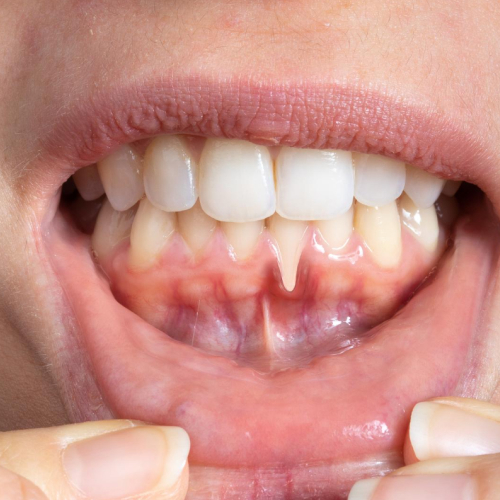
Object stuck between teeth: Try gentle flossing only. Never use pins, toothpicks, or sharp instruments — they can lacerate gum tissue and scratch enamel. Persistent irritation and bleeding around the gums may be a sign of gum disease that requires prompt attention.
If you're in Riverside or the surrounding Inland Empire and facing a dental emergency, don't wait. Dental Specialists of Riverside is here to help you act fast and protect your smile. Call us immediately so we can prepare for your arrival and give you the best possible outcome. Whether you need a tooth extraction or another urgent procedure, our team is ready to provide the care you need.
This article is intended for general informational purposes only and does not constitute medical or dental advice. Always consult a licensed dental or medical professional for diagnosis and treatment of any dental emergency.
Fresh news from the dental world


Mon, Tues, Thur 9AM - 6PM
Weds 10AM - 7PM
Friday 8AM - 5PM
Sat & Sun Closed
Check out what our patients are saying in Riverside...


“What a Difference...”
“My wife and I recently decided to try teeth whitening here. Wow! What a difference. Thank you!”

“So Comfortable...”
"I have been coming here for years and I love this place. I feel so comfortable whenever I go into ortho. Everyone's really friendly! The ladies at the front desk are my favorite, they're always so helpful and always try their best to work around my schedule. Would definitely recommend!"

“Expert Care...”
“I have come a long way with all my dental issues. I’ve been able to take back control of my dental health because of the expert care I’ve received over the years at Dental Specialists of Riverside. I highly recommend this place because they won’t pressure you into stuff that you don’t need or that you are not ready for.”
..png)
“Never Disappointed...”
“I don’t have much time to waste, so I always get my whitening done by the good folks at Dental Specialists of Riverside. Never disappointed.”
“What a Difference...”
“My wife and I recently decided to try teeth whitening here. Wow! What a difference. Thank you!”
“So Comfortable...”
"I have been coming here for years and I love this place. I feel so comfortable whenever I go into ortho. Everyone's really friendly! The ladies at the front desk are my favorite, they're always so helpful and always try their best to work around my schedule. Would definitely recommend!"
Check out our accreditations, sources, and relationships in the wide world of dentistry...
..png)
..png)
..png)
Check us out and follow our Riverside, CA practice on social media...


..png)