
Do Veneers Stain Over Time? What You Should Know Before Getting One
Wondering if veneers stain over time? Dental Specialists of Riverside explains what causes discoloration and how to protect your smile in Riverside, CA.
Read More
Almost everyone has had a moment where they wonder, “Is my breath okay?” Maybe it is first thing in the morning. Maybe it shows up halfway through the day, even after brushing. Maybe you feel like you are doing everything right, yet the problem keeps coming back.
Bad breath, also known as halitosis, is incredibly common. It is also one of the most misunderstood oral health concerns. Many people assume it simply means they need stronger toothpaste or more frequent brushing. In reality, persistent bad breath is often a sign that something deeper is happening inside the mouth or elsewhere in the body.
At Dental Specialists of Riverside, we see patients every week who are frustrated by breath issues they cannot seem to solve on their own. The good news is that most causes of halitosis are treatable once the source is identified.
Let’s take a closer look at why bad breath happens, what makes it linger, and what you can do to get lasting freshness and confidence back.
Bad breath does not come from “odor” alone. It is caused by gases released when bacteria break down food particles, dead cells, and proteins in the mouth. These gases contain sulfur compounds, which produce unpleasant smells.
Some of the most common contributors include:
In many cases, several of these factors are happening at the same time.
If your breath seems fine right after brushing but becomes unpleasant later in the day, you are not imagining things. This pattern is extremely common and usually has logical explanations.
1. Saliva flow changes throughout the day: Saliva plays a major role in keeping your mouth clean. It helps wash away bacteria and neutralize acids. When saliva flow decreases, bacteria multiply more easily.
Saliva tends to drop:
This is why morning breath is so noticeable and why breath can worsen in the afternoon if you have not been drinking enough water.
2. Bacteria live mostly on the tongue: The tongue has thousands of tiny grooves that trap debris and bacteria. Even if you brush your teeth thoroughly, bacteria on the tongue can continue producing odor.
If tongue cleaning is not part of your routine, brushing alone may not solve the issue.
3. Eating patterns affect odor: Long gaps between meals, high protein foods, and sugary snacks all influence how bacteria behave.
For example:
4. Plaque buildup over time: Even with daily brushing, plaque slowly forms on teeth and along the gumline. As plaque thickens, it becomes a breeding ground for bacteria that release odor.
This is one reason professional cleanings are essential, even for people who brush and floss consistently.
Helpful habits to try:
If breath odor continues despite these habits, it is worth looking deeper.
Yes. Not all bad breath originates in the mouth. The nose, sinuses, and tonsils can also contribute.
Tonsil stones: Tonsil stones form when debris, bacteria, and mucus collect in the crevices of the tonsils. Over time, this material hardens and develops a strong odor.
Signs of tonsil stones include:
Even small tonsil stones can create noticeable odor.
Sinus infections and post-nasal drip: When mucus drains from the sinuses into the throat, it carries bacteria with it. This creates a coating on the back of the tongue and throat that produces odor.
Common symptoms include:
Mouth breathing: People who breathe primarily through their mouth, especially during sleep, often experience dry mouth. As mentioned earlier, dry mouth encourages bacterial growth.
How dental visits still help: Even when bad breath has a non-dental origin, a dental exam is often the first step. Dentists can rule out oral infections, gum disease, and plaque buildup before referring patients to a physician or ENT if needed.
This question surprises many people. Cavities are only one possible cause of bad breath. You can have zero cavities and still experience halitosis.
Here are some common reasons:
1. Early gum disease: Gingivitis and early periodontal disease often develop quietly. You may not feel pain, but bacteria beneath the gums release sulfur compounds.
Signs include:
2. Tongue coating: A thick coating on the tongue is one of the most frequent causes of chronic halitosis. Many patients never realize how much bacteria lives there.
3. Dry mouth: Saliva reduction alone can cause odor, even if teeth are healthy.
4. Old dental restorations: Worn fillings, crowns with small gaps, or aging dental work can trap bacteria.
5. Medical factors: Certain conditions are linked to breath odor, including:
When cavities are ruled out, dentists focus on gum health, tongue hygiene, saliva flow, and overall oral environment.
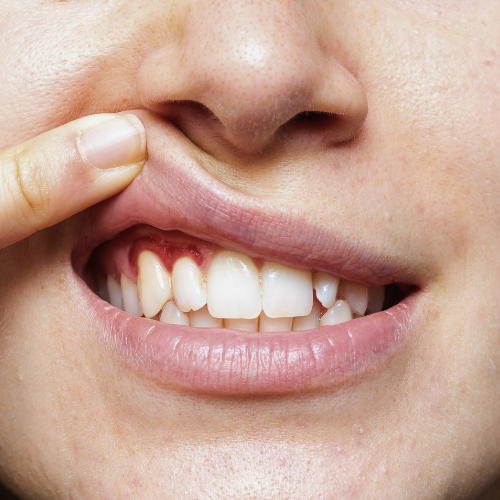
Healthy gums fit snugly around teeth. When gums become inflamed or infected, small pockets form between the tooth and gum.
These pockets:
Low oxygen environments are ideal for sulfur-producing bacteria.
Common signs of gum-related bad breath:
Professional deep cleanings and periodontal therapy can dramatically improve breath in these cases.
Mouthwash can temporarily mask odor. Some antibacterial rinses reduce bacteria for short periods.
However:
Think of mouthwash as a supplement, not a solution.
Certain foods and eating patterns strongly affect breath.
Foods commonly linked to odor:
Why protein-heavy diets can worsen breath: When the body breaks down fat and protein for energy, it produces ketones. Ketones leave the body through breath and create a noticeable smell.
Balanced eating supports oral health
Even excellent home care cannot remove hardened tartar. Tartar traps bacteria and continues to grow below the gumline.
During professional cleanings, hygienists:
Many patients notice fresher breath immediately after a cleaning.
Regular cleanings also allow early detection of gum disease and other issues before they worsen.
When you mention breath concerns, your dental team may check:
If everything in the mouth appears healthy, your dentist may recommend medical evaluation for sinus, digestive, or systemic causes.
Small changes often produce noticeable improvements.
Daily essentials:
Helpful extras:
Consistency matters more than intensity.
Occasional bad breath is normal. Persistent halitosis that does not improve with good oral hygiene deserves evaluation.
Seek professional care if you notice:
These signs often point to treatable conditions.
Bad breath is not a personal failure. It is usually a sign that your mouth needs a little extra attention or a professional solution.
At Dental Specialists of Riverside, we take breath concerns seriously and treat them with discretion, thorough evaluation, and personalized care.
If you are tired of guessing, masking, or worrying about your breath, we are here to help.
Schedule an appointment with Dental Specialists of Riverside today and let our team help you get to the root of the problem and restore lasting freshness and confidence.
Fresh news from the dental world





Mon, Tues, Thur 9AM - 6PM
Weds 10AM - 7PM
Friday 8AM - 5PM
Sat & Sun Closed
Check out what our patients are saying in Riverside...


“What a Difference...”
“My wife and I recently decided to try teeth whitening here. Wow! What a difference. Thank you!”

“So Comfortable...”
"I have been coming here for years and I love this place. I feel so comfortable whenever I go into ortho. Everyone's really friendly! The ladies at the front desk are my favorite, they're always so helpful and always try their best to work around my schedule. Would definitely recommend!"

“Expert Care...”
“I have come a long way with all my dental issues. I’ve been able to take back control of my dental health because of the expert care I’ve received over the years at Dental Specialists of Riverside. I highly recommend this place because they won’t pressure you into stuff that you don’t need or that you are not ready for.”
..png)
“Never Disappointed...”
“I don’t have much time to waste, so I always get my whitening done by the good folks at Dental Specialists of Riverside. Never disappointed.”
“What a Difference...”
“My wife and I recently decided to try teeth whitening here. Wow! What a difference. Thank you!”
“So Comfortable...”
"I have been coming here for years and I love this place. I feel so comfortable whenever I go into ortho. Everyone's really friendly! The ladies at the front desk are my favorite, they're always so helpful and always try their best to work around my schedule. Would definitely recommend!"
Check out our accreditations, sources, and relationships in the wide world of dentistry...
..png)
..png)
..png)
Check us out and follow our Riverside, CA practice on social media...


..png)