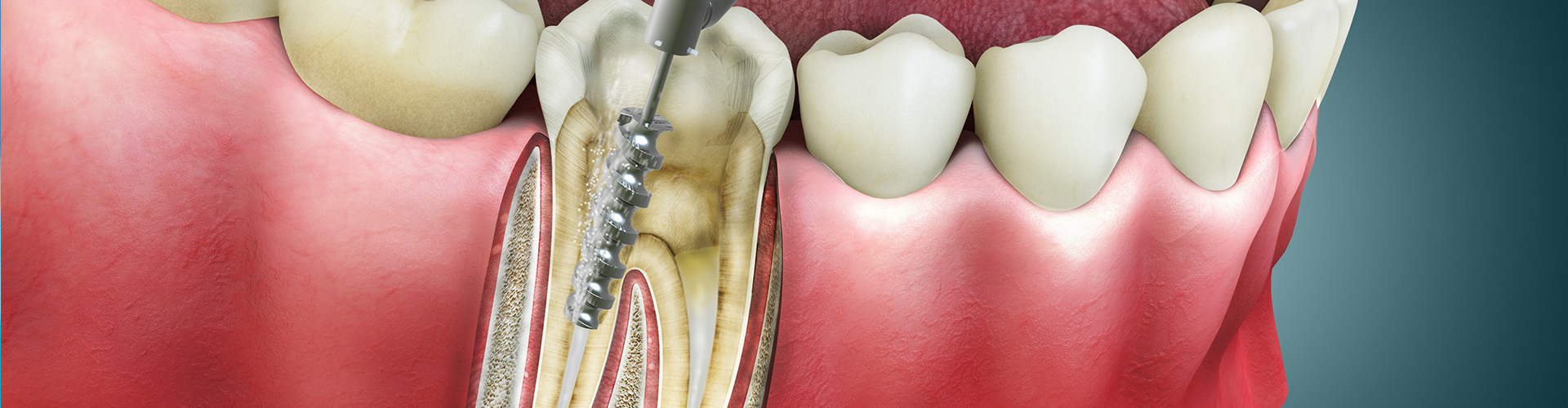
When faced with a damaged or decaying tooth, the thought of losing it can be distressing. But before you start considering extraction, there's a powerful treatment option that could save your tooth and restore your smile—a root canal. In this blog, we'll explore how root canals work, the steps you should take if a tooth falls out, and when it might be too late to save a tooth. Understanding these options can help you make informed decisions about your dental health.
How Do You Preserve a Tooth That Fell Out?
If a tooth falls out due to trauma or injury, it’s crucial to act quickly. First, locate the tooth and handle it by the crown, avoiding touching the roots. Rinse it gently with water if it’s dirty, but don’t scrub or remove any tissue fragments. If possible, try to place the tooth back in its socket and hold it there. If reinsertion isn't possible, store the tooth in a container of milk or a tooth preservation product like Save-a-Tooth. Then, see your dentist immediately. Time is critical—teeth reimplanted within 30 minutes have the highest chance of being saved.
When Can a Tooth Not Be Saved?
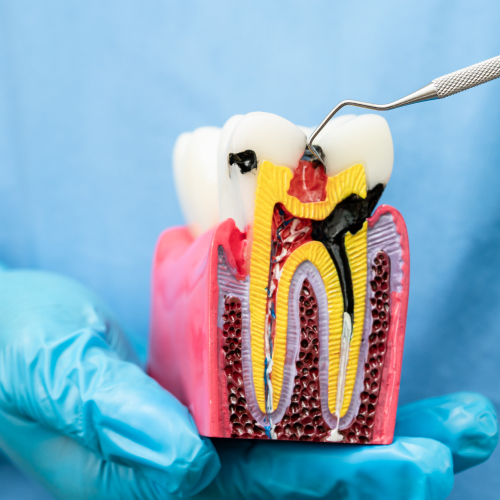
Despite advances in dental care and treatment options like root canals, there are situations where a tooth simply cannot be saved. One of the most common reasons is severe decay. When decay penetrates deep into the tooth, reaching the pulp and causing an infection that extends beyond the tooth roots, the structural integrity of the tooth may be compromised. In such cases, a root canal may no longer be viable, and the infection might spread to the surrounding bone, causing further damage and pain.
Another situation where a tooth might be unsalvageable is when it's fractured beyond repair. Accidents, sports injuries, or even biting down on something hard can cause a tooth to crack or break. If the fracture extends below the gum line or into the root, restoring the tooth may not be possible. These types of fractures often lead to severe pain, and extraction is typically recommended to avoid complications like infection or abscesses.
Advanced gum disease, known as periodontitis, is another culprit that can lead to tooth loss. When gum disease progresses unchecked, it can cause significant bone loss around the tooth, loosening it from its socket. Even with aggressive periodontal treatment, the supporting bone may be too damaged to hold the tooth securely, leading to its inevitable loss.
In some cases, teeth may also become unsalvageable due to repeated treatments or restorations. For instance, a tooth that has undergone multiple fillings, crowns, or previous root canals might eventually become too weak to function properly. Over time, the repeated stress on the tooth can lead to fractures or a complete breakdown of the remaining structure.
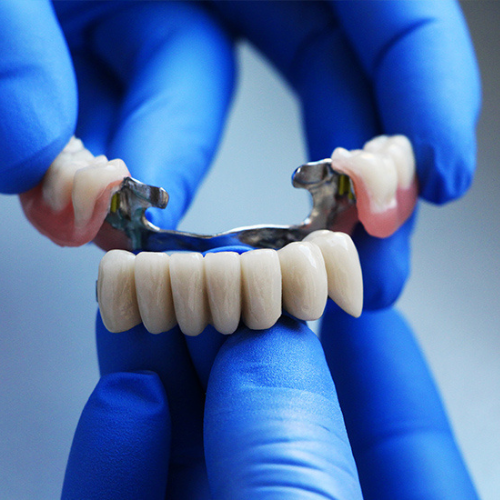
Ultimately, while the goal of any dental treatment is to preserve natural teeth, there are times when extraction is the best or only option. Removing a severely compromised tooth can prevent the spread of infection, alleviate pain, and pave the way for restorative options like dental implants or bridges. It's crucial to have a thorough evaluation with your dentist to determine the best course of action, taking into consideration both the health of your tooth and your overall well-being.
Should I See an Endodontist for Root Canal?
Yes, seeing an endodontist for a root canal is often the best choice, especially when dealing with complex dental issues. Endodontists are specialists who have undergone additional years of training beyond dental school, focusing specifically on diagnosing and treating problems related to the tooth's interior—particularly the pulp and roots. This specialized training equips them with the skills and knowledge to handle cases that may be too challenging for general dentists, such as severely infected, calcified, or curved root canals.
One of the key advantages of seeing an endodontist is their ability to accurately diagnose the source of your tooth pain. Sometimes, what seems like a simple toothache could be a sign of a deeper problem, such as an infection that has spread to the surrounding bone or tissue. Endodontists use advanced diagnostic tools, like 3D imaging, to get a clear view of the tooth’s structure, ensuring that the treatment plan addresses the root of the issue (quite literally).
Moreover, endodontists have access to cutting-edge technology and techniques that are often not available in a general dental office. This includes specialized equipment like dental microscopes, which allow them to see the tiny details inside your tooth, and ultrasonic instruments that make it easier to clean and shape the root canals with precision. These tools not only enhance the accuracy of the procedure but also improve patient outcomes, reducing the likelihood of complications or the need for retreatment.
Another significant benefit of choosing an endodontist is their experience with pain management and patient comfort. Because they perform root canals and similar procedures regularly, they are adept at minimizing discomfort during and after the treatment. Endodontists are also well-versed in managing patients with dental anxiety, often providing a more reassuring experience for those who might be nervous about undergoing a root canal.
If your general dentist recommends a root canal, visiting an endodontist ensures that you receive the highest level of care possible. While general dentists are certainly capable of performing root canals, an endodontist’s specialized expertise and experience can be invaluable, particularly in complicated cases. By choosing an endodontist, you increase the likelihood of a successful procedure, preserving your natural tooth and avoiding the need for more extensive treatments like extractions or dental implants.
Conclusion
Saving a tooth, whether it has fallen out or requires a root canal, is possible with prompt and proper care. Don’t wait until it’s too late—preserve your natural smile by scheduling an appointment with our dental office today.








..png)
..png)
..png)
..png)


..png)