Root Canal vs Tooth Extraction
Learn how root canals and tooth extractions compare, including the pros, cons, and how dentists decide which treatment is best.
Read More
When you are dealing with a painful, damaged, or infected tooth, it is normal to wonder what comes next. For many patients, the two treatments that come up most often are a root canal and a tooth extraction. At first glance, they may seem like two ways of solving the same problem. Both can stop pain, remove infection, and protect your overall health. But they are not the same, and the right choice can have a lasting effect on your smile, your comfort, and your future dental needs.
A lot of people hear the words “root canal” and immediately feel nervous. Others assume pulling the tooth is the simpler option and the fastest way to move on. The truth is a little more nuanced than that. In many cases, saving your natural tooth is the best path. In other situations, removing the tooth may be the healthier and more realistic choice. It depends on what is happening below the surface, how much of the tooth structure remains, the condition of the surrounding bone and gums, and whether the tooth can be restored successfully.
At Dental Specialists of Riverside, we know that treatment decisions can feel stressful when you are already in pain. That is why it helps to understand what each option involves and why your dentist may recommend one over the other. Once you have the full picture, the decision usually feels much less overwhelming.
A root canal is often considered the better option when the tooth can still be saved. That is because keeping your natural tooth usually offers the best long term outcome for your bite, your jaw, and your overall oral health. Your natural teeth are designed to work together. When one stays in place, it helps maintain normal chewing, supports the surrounding teeth, and preserves the shape of the bone around the root.
Natural teeth work best together: Your teeth are designed to function as a complete system. When a natural tooth stays in place, it helps maintain normal chewing, supports the surrounding teeth, and helps preserve the bone around the root.
A root canal treats infection from the inside: A root canal is used when the pulp inside the tooth becomes infected or inflamed. This can happen because of deep decay, trauma, cracks, or repeated dental work that irritates or damages the inner tissue.
The procedure removes the damaged tissue and seals the tooth: During root canal treatment, the infected pulp is removed and the inside of the tooth is carefully cleaned and disinfected. The space is then sealed to help prevent further infection and protect the remaining tooth structure.
The tooth is often strengthened with a crown afterward: In many cases, the treated tooth is restored with a crown. This helps strengthen the tooth, protect it from further damage, and restore normal function when chewing and biting.
Root canal treatment can relieve pain while preserving the tooth: When the procedure is successful, it removes the source of infection and discomfort without requiring the tooth to be pulled. That is one of the biggest advantages of root canal treatment.
Dentists usually prefer preservation when possible: Most dentists would rather save a natural tooth than remove it, as long as the tooth can be restored in a predictable and lasting way. Preserving natural teeth is generally better for long term oral health.
A root canal is not always the right option: There are situations where saving the tooth may not be realistic. If the tooth is too badly damaged, too little healthy structure remains, or the fracture extends below the gumline, extraction may be the more responsible choice.
Some conditions make extraction the better route: Severe bone loss, advanced gum disease, or a history of failed treatment can make it difficult for a tooth to remain stable over time. In these cases, removing the tooth may be healthier and more practical.
Extraction often leads to more treatment later: While extraction can seem simpler at first, it is usually not the true end of treatment. A missing tooth often needs to be replaced with a dental implant, bridge, or partial denture to prevent shifting and chewing problems.
The best option depends on whether the tooth can be predictably saved: In general, a root canal is often the better choice when the tooth can be saved and properly restored. If it cannot, extraction may be the better path for protecting your long term oral health.
The decision between a root canal and extraction is based on a close examination of the tooth and the surrounding area. This is not usually something that can be decided based on pain alone. Two teeth may feel equally painful but have very different treatment needs. That is why your dentist will look at both the symptoms you are having and the condition of the tooth itself.
One major factor is the amount of remaining healthy tooth structure. If a large part of the tooth has broken away or if decay has destroyed too much of it, there may not be enough left to support a filling or crown after a root canal. A tooth needs to be restorable, not just treatable. If it cannot be rebuilt in a stable and lasting way, extraction may make more sense.
The location and type of damage also matter. A tooth with deep decay near the nerve may still be saved if the root structure is strong. On the other hand, a vertical crack that runs into the root is often a sign that the tooth cannot be saved. Some fractures are minor and can be restored. Others make long term success very unlikely.
Your dentist will also evaluate the health of the gums and supporting bone. A tooth with severe periodontal disease may already be loose or may have lost too much bone around it. Even if the inside of the tooth could technically be treated with a root canal, the support around it may be too weak to make saving it worthwhile.
Another important factor is the role the tooth plays in your bite. Back teeth do a lot of heavy chewing, so they need to be strong enough to handle pressure. Front teeth are different in shape and function, but they are important for appearance and speech. Your dentist will consider how important that tooth is and what replacement options would look like if it were removed.
Your overall health and treatment goals also come into play. Some patients strongly prefer to save their natural teeth whenever possible. Others may be more concerned about budget, treatment timeline, or long term maintenance. There is no one size fits all answer. A thoughtful treatment plan takes your priorities into account as well.
Cost is another area people think about, and it is understandable. Sometimes patients assume extraction is cheaper, and in the short term, it often is. But if you remove a tooth and later replace it with an implant and crown, the total cost may be higher than saving the tooth with endodontic treatment and a crown. Looking only at the first step can be misleading. The better question is often which option makes the most sense over the long run.
A dentist may also recommend extraction if the infection is so severe that the tooth has a very poor prognosis, or if prior root canal treatment has failed and retreatment is unlikely to succeed. In those cases, trying to hold onto the tooth may only delay the inevitable and create more expense or discomfort.
The best decision is made after a full evaluation, dental imaging, and a clear conversation about the condition of the tooth, the likely outcome of each option, and what matters most to you as a patient.
Both treatments have advantages and disadvantages. Understanding them side by side can help you feel more confident if you are weighing your options.
A root canal has several important benefits. The biggest one is that it allows you to keep your natural tooth. That matters more than many people realize. Natural teeth help maintain proper alignment, support normal chewing, and preserve the bone around the root. Keeping the tooth can also help you avoid the process of replacing it later. For many patients, that makes a root canal a strong long term solution.
Another advantage is that modern root canal treatment is generally much more comfortable than people expect. The reputation root canals have is often based on old stories, not current reality. With modern techniques and local anesthesia, the procedure is usually no more uncomfortable than having a filling or crown done. In fact, many patients feel relief once the infected tissue is removed.
Root canals can also be highly successful when the tooth is properly restored afterward. A treated tooth can often last for many years, especially if you maintain good oral hygiene and keep up with regular dental visits.
Still, root canal treatment does have some downsides. In many cases, the tooth will need a crown after treatment, especially if it is a back tooth. That adds time and cost. A tooth that has had a root canal can also become more brittle over time, which is one reason proper restoration is so important. And of course, not every tooth is a good candidate for treatment. If the tooth has deep structural damage or complex fractures, the chance of long term success may be lower.
Extraction also has clear advantages in certain situations. If the tooth is beyond saving, extraction removes the source of infection and pain completely. It can be the fastest and most straightforward way to address a severe problem. For teeth with major structural damage, severe bone loss, or advanced periodontal disease, extraction may offer a more predictable result than attempting to save the tooth.
There are cases where removing the tooth can protect the surrounding teeth and tissues from ongoing infection. If saving the tooth would involve repeated treatment with a poor outlook, extraction may spare you future discomfort and frustration.
But extraction has important drawbacks too. Once a tooth is removed, you now have a gap in your smile and bite. Even if that space is not immediately noticeable, it can affect chewing and cause nearby teeth to drift over time. Bone loss in the area can also begin once the root is gone. That is why dentists often recommend replacing the tooth with an implant, bridge, or another restorative option.
That replacement process can make extraction more involved and more expensive in the long run than it first appears. It can also take time. For example, if you choose a dental implant, there may be a healing period before the implant and final crown are placed.
There is also the emotional side of losing a natural tooth. Even when extraction is the right decision, some patients feel disappointed or uneasy about it. That feeling is understandable. Keeping your own tooth is usually the first goal when possible.
So when you compare the two, root canal treatment usually wins when the tooth is still healthy enough to be restored well. Extraction becomes the better option when the damage is too extensive, the support around the tooth is too weak, or the long term outlook for saving the tooth is poor.
It is not really about which treatment is “good” and which is “bad.” Both have a place in dentistry. The real question is which option gives you the best chance at lasting comfort, function, and health.
If you are sitting with tooth pain right now, it can be tempting to look for the quickest fix and be done with it. But quick is not always the same as best. A thoughtful diagnosis matters. A tooth that seems hopeless may be very treatable. On the other hand, a tooth that seems salvageable at first glance may have deeper issues that make extraction the smarter choice.
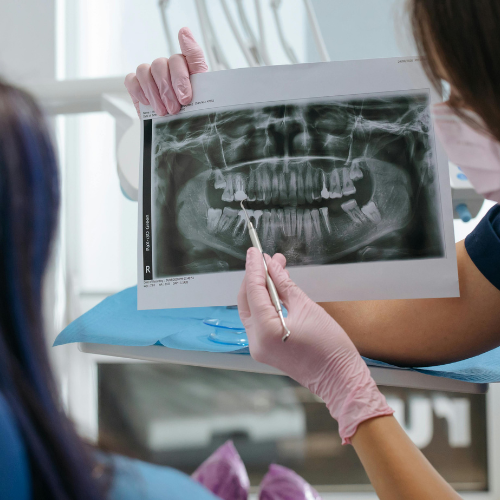
That is why professional evaluation is so important. X rays, an exam, and a conversation about your symptoms can reveal a lot that you would never be able to tell just by looking in the mirror or reading about it online. What hurts when you bite, how long the pain lasts, whether there is swelling, and what the imaging shows all help shape the right recommendation.
At Dental Specialists of Riverside, the goal is not to push you toward one treatment or the other. The goal is to give you a clear, honest recommendation based on the health of the tooth and what will serve you best in the long run. Sometimes that means preserving the tooth with a root canal. Sometimes that means removing it and discussing the best replacement option. Either way, the focus is on protecting your oral health and helping you move forward with confidence.
If you have an infected tooth, persistent tooth pain, swelling, or sensitivity that is not going away, do not wait too long to have it checked. Dental infections do not usually resolve on their own, and delaying treatment can limit your options. The sooner a problem is evaluated, the better the chance of saving the tooth if that is still possible.
If you are trying to decide between a root canal and a tooth extraction, schedule an appointment with Dental Specialists of Riverside. Our team can examine the tooth, explain your options clearly, and help you choose the treatment that makes the most sense for your smile, your comfort, and your long term health.
Fresh news from the dental world









Mon, Tues, Thur 9AM - 6PM
Weds 10AM - 7PM
Friday 8AM - 5PM
Sat & Sun Closed
Check out what our patients are saying in Riverside...


“What a Difference...”
“My wife and I recently decided to try teeth whitening here. Wow! What a difference. Thank you!”

“So Comfortable...”
"I have been coming here for years and I love this place. I feel so comfortable whenever I go into ortho. Everyone's really friendly! The ladies at the front desk are my favorite, they're always so helpful and always try their best to work around my schedule. Would definitely recommend!"

“Expert Care...”
“I have come a long way with all my dental issues. I’ve been able to take back control of my dental health because of the expert care I’ve received over the years at Dental Specialists of Riverside. I highly recommend this place because they won’t pressure you into stuff that you don’t need or that you are not ready for.”
..png)
“Never Disappointed...”
“I don’t have much time to waste, so I always get my whitening done by the good folks at Dental Specialists of Riverside. Never disappointed.”
“What a Difference...”
“My wife and I recently decided to try teeth whitening here. Wow! What a difference. Thank you!”
“So Comfortable...”
"I have been coming here for years and I love this place. I feel so comfortable whenever I go into ortho. Everyone's really friendly! The ladies at the front desk are my favorite, they're always so helpful and always try their best to work around my schedule. Would definitely recommend!"
Check out our accreditations, sources, and relationships in the wide world of dentistry...
..png)
..png)
..png)
Check us out and follow our Riverside, CA practice on social media...


..png)