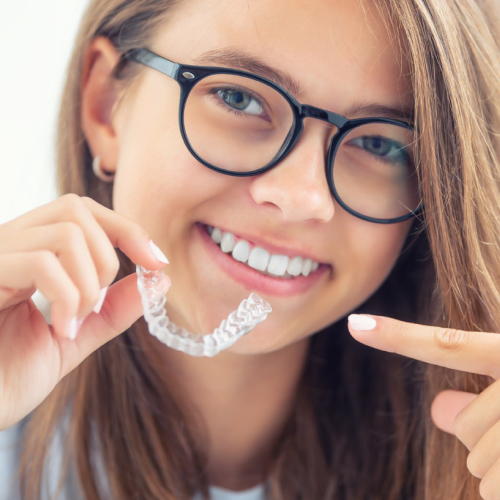
Why Your Invisalign Trays Aren't Fitting—And What It Means for Your Treatment
Invisalign tray not fitting right in Riverside? Learn about tracking, gaps, and refinements—and what to do next. Call Dental Specialists of Riverside today.
Read More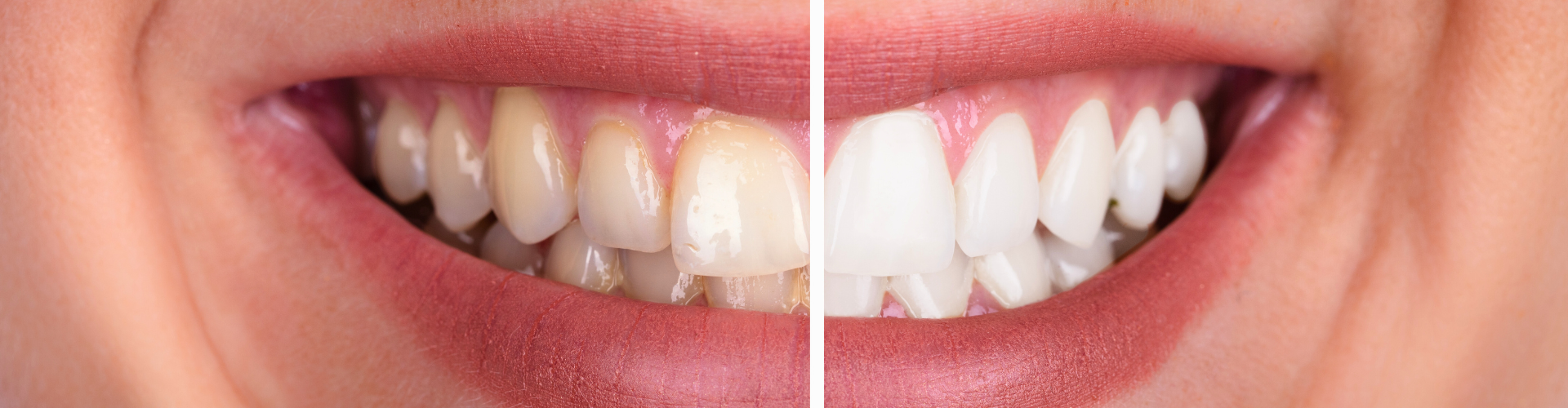
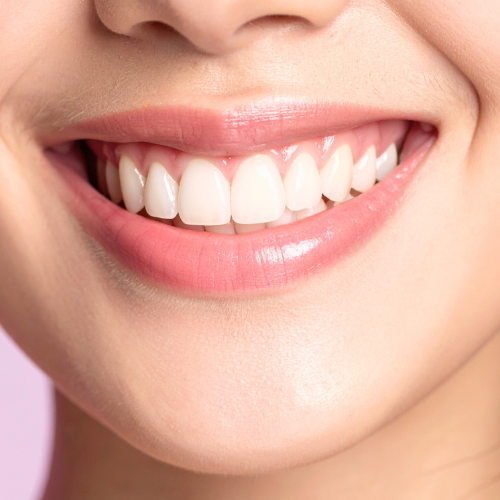
A brighter smile can quietly change how you feel about photos, conversations, and even first impressions. Teeth whitening sounds simple, yet many people end up disappointed or dealing with sensitivity because the process is misunderstood. Whitening is not just about choosing a product and hoping for the best. It is about habits, timing, and knowing what truly makes a difference for your teeth.
This article breaks down practical whitening tips that fit into real life. No gimmicks, no shortcuts, and no unrealistic promises. Just honest insight from a dental perspective on how to get better results and keep them looking good.
Whitening your teeth is only half the story. Keeping them bright is where habits matter most. Many people whiten successfully and then unknowingly undo their progress within weeks.
Consistency in daily care is the foundation. Whitening treatments lift stains, but everyday habits determine how quickly new ones settle back in.
Here are habits that genuinely help whitening results last:
Long lasting whitening is not about perfection. It is about stacking small habits that protect the work already done.
Not all whitening options are created equal, and results vary for reasons that are not always obvious. Understanding why helps avoid wasted time, money, and frustration.
The biggest factor is how the whitening agent interacts with your enamel.
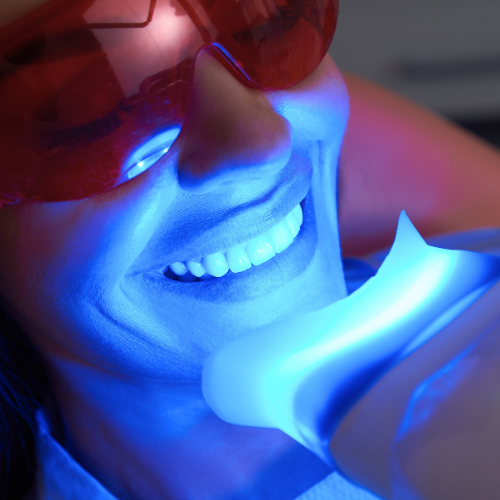
Professional whitening treatments use carefully controlled concentrations of whitening agents that penetrate enamel safely and evenly. Over the counter options often have lower strength formulas designed to be broadly safe, but that also means slower or less noticeable results.
Here is why certain methods outperform others:
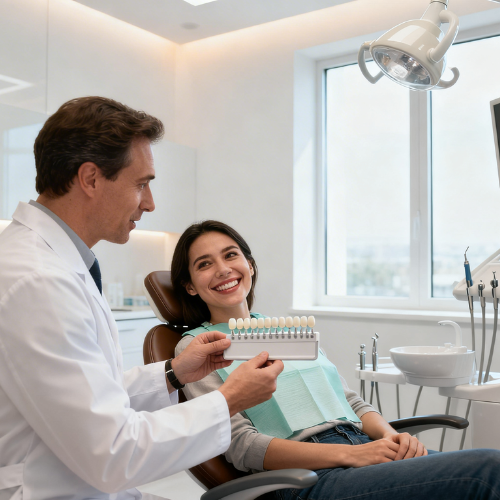
Better results come from matching the method to the individual. That is why professional input often leads to results that look more natural and last longer.
Whitening should improve your smile, not make your teeth uncomfortable. Sensitivity and uneven results usually come from avoidable mistakes.
Here are common issues that interfere with whitening success:
Sensitivity is not a requirement for whitening to work. When done properly, whitening can be comfortable and effective at the same time.
For those whitening at home under professional guidance, small adjustments can make a big difference.
Try these dentist approved strategies:
Whitening is a process, not a race. Patience protects your enamel and improves the final outcome.
It is important to say this clearly. Whitening is not the answer for every smile.
If discoloration comes from deep internal staining, worn enamel, or uneven restorations, other cosmetic options may provide better results. A professional evaluation helps determine whether whitening will truly meet your expectations or if another approach would serve you better.
A great smile is about balance, not just brightness.
Teeth whitening works best when it is approached thoughtfully. The right habits extend results, the right method improves effectiveness, and avoiding common mistakes protects your comfort.
A brighter smile should feel effortless, not stressful. When whitening is done correctly, it enhances your natural look instead of overpowering it.
If you are considering whitening or want to improve results from past treatments, the team at Dental Specialists of Riverside can help you choose the safest and most effective option for your smile. Schedule an appointment today to talk through your goals and create a plan that works for you.
Fresh news from the dental world




Mon, Tues, Thur 9AM - 6PM
Weds 10AM - 7PM
Friday 8AM - 5PM
Sat & Sun Closed
Check out what our patients are saying in Riverside...


“What a Difference...”
“My wife and I recently decided to try teeth whitening here. Wow! What a difference. Thank you!”

“So Comfortable...”
"I have been coming here for years and I love this place. I feel so comfortable whenever I go into ortho. Everyone's really friendly! The ladies at the front desk are my favorite, they're always so helpful and always try their best to work around my schedule. Would definitely recommend!"

“Expert Care...”
“I have come a long way with all my dental issues. I’ve been able to take back control of my dental health because of the expert care I’ve received over the years at Dental Specialists of Riverside. I highly recommend this place because they won’t pressure you into stuff that you don’t need or that you are not ready for.”
..png)
“Never Disappointed...”
“I don’t have much time to waste, so I always get my whitening done by the good folks at Dental Specialists of Riverside. Never disappointed.”
“What a Difference...”
“My wife and I recently decided to try teeth whitening here. Wow! What a difference. Thank you!”
“So Comfortable...”
"I have been coming here for years and I love this place. I feel so comfortable whenever I go into ortho. Everyone's really friendly! The ladies at the front desk are my favorite, they're always so helpful and always try their best to work around my schedule. Would definitely recommend!"
Check out our accreditations, sources, and relationships in the wide world of dentistry...
..png)
..png)
..png)
Check us out and follow our Riverside, CA practice on social media...


..png)