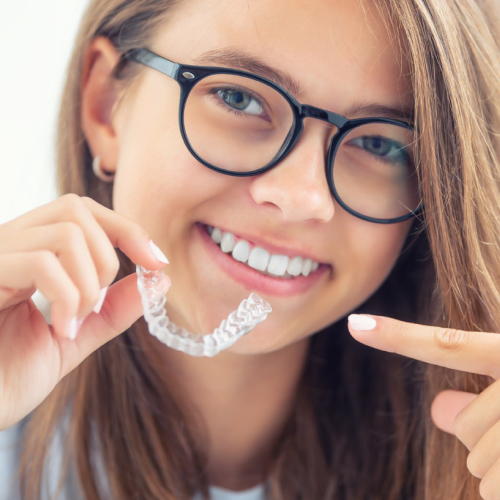
Why Your Invisalign Trays Aren't Fitting—And What It Means for Your Treatment
Invisalign tray not fitting right in Riverside? Learn about tracking, gaps, and refinements—and what to do next. Call Dental Specialists of Riverside today.
Read More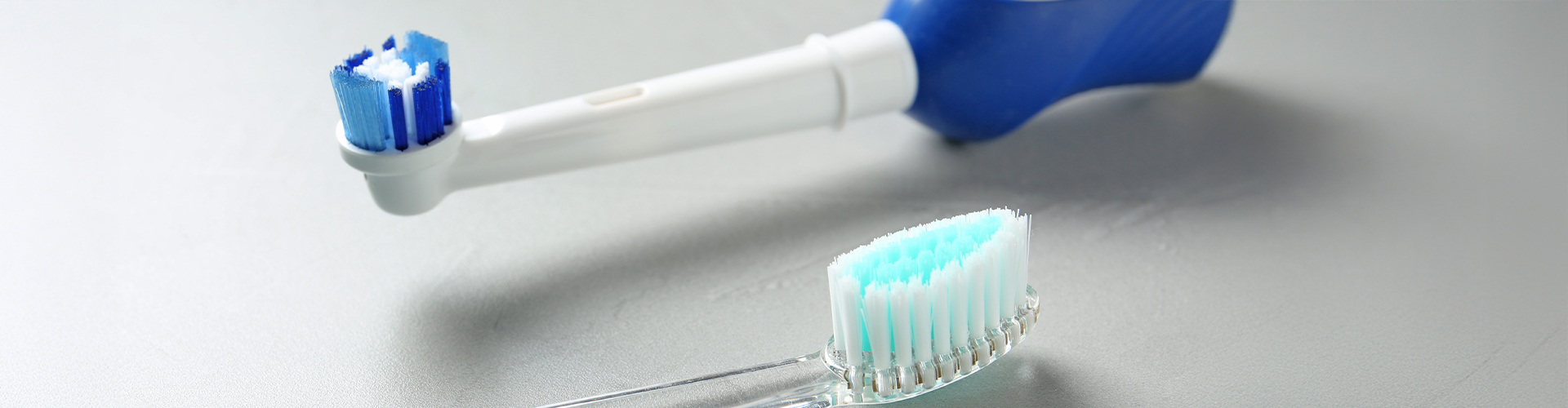
When it comes to brushing your teeth, everyone has their preference. Some swear by the latest electric toothbrush with timers and vibrating heads, while others stand by the simple, affordable manual brush that has been around for decades. But beyond the buzz (literally), which one actually gives you the healthiest smile? Let’s dive into what makes each option stand out and where they may fall short.
Plaque is the sticky film that builds up on teeth after eating or drinking, and removing it consistently is the cornerstone of oral health. If plaque isn’t cleared away, it hardens into tartar and opens the door for cavities, gum irritation, and bad breath. This makes your daily brushing routine one of the most important steps you can take to protect your smile.
Studies show that electric toothbrushes often have an edge when it comes to plaque removal. The oscillating, vibrating, or sonic motions are designed to handle much of the work for you, giving the bristles more contact with the tooth surface and gum line. For people who find it difficult to brush thoroughly—such as kids, teens, or anyone with limited dexterity—an electric toothbrush can make a noticeable difference.
Why electric toothbrushes often remove plaque more effectively:
That said, manual toothbrushes are far from outdated. With proper technique and discipline, you can achieve the same level of plaque removal as with an electric brush. The difference lies less in the brush itself and more in how you use it.
How to remove plaque effectively with a manual brush:
The real takeaway is that technique and commitment matter as much as technology. An electric toothbrush might give you extra support and motivation, but a manual brush in the right hands can be just as powerful in keeping plaque at bay.
Healthy gums are just as important as clean teeth. Gum disease often begins quietly, with mild inflammation or bleeding, before it progresses into something more serious. That’s why the way you brush can make a big difference in keeping your gums strong and healthy.
Research suggests that electric toothbrushes, particularly those with oscillating-rotating heads, can reduce gingivitis and gum bleeding more effectively than manual brushes. The constant motion and built-in pressure sensors on many electric models also help prevent the hard scrubbing that often irritates delicate gum tissue.
Here’s how electric toothbrushes support gum health:
Manual brushes, however, can be just as effective when used with the right technique. The key is in your hand movements, not the tool itself. To keep your gums safe with a manual toothbrush:
If you tend to brush too hard or skip proper technique, an electric toothbrush can give your gums extra protection. But if you’re disciplined about brushing gently and thoroughly, a manual brush can still keep your gums in excellent shape.
This is the question many patients ask when they see the price tags. Electric toothbrushes can cost significantly more upfront, not to mention replacement heads. But for many, the investment feels worth it. Electric brushes often come with built-in timers to keep you brushing for the recommended two minutes, multiple cleaning modes, and features that help you stay on track with your oral care routine. If those tools keep you motivated, the price may pay itself back in fewer dental issues down the road.
On the flip side, manual brushes are affordable, accessible anywhere, and don’t require charging or battery replacements. For patients who brush diligently and replace their brushes every three months, a manual brush can deliver excellent results without the extra expense. In the end, it’s not the cost of the toothbrush but the value of your routine that counts.
Whether you go electric or stick with a manual, what truly matters is consistency. Brushing twice a day, flossing, and seeing your dentist regularly will always be the winning combination. An electric toothbrush might give you some added advantages, but a manual brush in dedicated hands is just as effective. Your oral health isn’t decided by the tool itself but by how you use it.
Ready to take your dental care to the next level? At Dental Specialists of Riverside, we help you find the right tools and techniques for your smile. Schedule your appointment today and let us guide you toward healthier teeth and gums that last a lifetime.
Fresh news from the dental world




Mon, Tues, Thur 9AM - 6PM
Weds 10AM - 7PM
Friday 8AM - 5PM
Sat & Sun Closed
Check out what our patients are saying in Riverside...


“What a Difference...”
“My wife and I recently decided to try teeth whitening here. Wow! What a difference. Thank you!”

“So Comfortable...”
"I have been coming here for years and I love this place. I feel so comfortable whenever I go into ortho. Everyone's really friendly! The ladies at the front desk are my favorite, they're always so helpful and always try their best to work around my schedule. Would definitely recommend!"

“Expert Care...”
“I have come a long way with all my dental issues. I’ve been able to take back control of my dental health because of the expert care I’ve received over the years at Dental Specialists of Riverside. I highly recommend this place because they won’t pressure you into stuff that you don’t need or that you are not ready for.”
..png)
“Never Disappointed...”
“I don’t have much time to waste, so I always get my whitening done by the good folks at Dental Specialists of Riverside. Never disappointed.”
“What a Difference...”
“My wife and I recently decided to try teeth whitening here. Wow! What a difference. Thank you!”
“So Comfortable...”
"I have been coming here for years and I love this place. I feel so comfortable whenever I go into ortho. Everyone's really friendly! The ladies at the front desk are my favorite, they're always so helpful and always try their best to work around my schedule. Would definitely recommend!"
Check out our accreditations, sources, and relationships in the wide world of dentistry...
..png)
..png)
..png)
Check us out and follow our Riverside, CA practice on social media...


..png)