When it comes to dental health, wisdom teeth are often a topic of concern. For many, these third molars can cause significant issues when they become impacted. In this article, we'll answer some of the most common questions people have about impacted wisdom teeth.
What Causes Wisdom Teeth to Become Impacted?
Wisdom teeth typically emerge during late adolescence or early adulthood, usually between the ages of 17 and 25. These third molars are the last teeth to develop, and by the time they start to erupt, the jaw may already be fully occupied by other teeth. This limited space in the jaw is one of the primary reasons why wisdom teeth often become impacted, as there simply isn’t enough room for them to emerge properly.
Another significant factor that contributes to impaction is the angle at which the wisdom teeth attempt to grow. Instead of erupting straight up, they might develop at an angle, pressing against adjacent teeth or the back of the jaw. This misalignment can prevent the teeth from breaking through the gumline fully, leading to partial or complete impaction.
Genetics also play a role in whether or not your wisdom teeth become impacted. If your parents or siblings had issues with their wisdom teeth, there’s a higher chance that you might experience similar problems. The size and shape of your jaw, which are often inherited traits, can affect how much space is available for these molars to emerge properly.
Previous dental conditions and treatments can also influence the likelihood of impaction. For example, if you’ve had orthodontic work like braces, your teeth may have been adjusted to maximize space, leaving little room for wisdom teeth to come in. Similarly, if you’ve had extractions or other dental procedures, the changes in your jaw structure could impact how your wisdom teeth grow.
In some cases, developmental issues during childhood, such as a delayed loss of primary teeth or irregular tooth growth, can contribute to the lack of space for wisdom teeth. Additionally, certain medical conditions that affect bone growth or density may also play a role in how wisdom teeth develop.
What Are the Symptoms of Impacted Wisdom Teeth?
Impacted wisdom teeth can cause a wide range of symptoms, some of which may start subtly and become more severe over time. One of the most common signs of an impacted wisdom tooth is pain. This discomfort is usually felt at the back of the mouth, behind the molars, and can range from a dull ache to sharp, intense pain. The pain may be constant or triggered by chewing, biting, or brushing near the affected area.
Swelling and tenderness in the gums around the impacted tooth are also typical symptoms. The gum tissue may appear red and inflamed, and in some cases, a flap of gum known as an operculum might partially cover the tooth. This flap can trap food particles and bacteria, leading to further irritation and swelling. As the swelling increases, it can cause the gum to bulge and make it difficult to open your mouth fully.
Jaw stiffness and difficulty opening the mouth are other common symptoms associated with impacted wisdom teeth. This stiffness is often a result of inflammation and pressure from the impacted tooth on surrounding structures. The discomfort might extend to the jaw joint, making it painful to move your jaw or chew food. Some people also report headaches or earaches due to the pressure and tension in the jaw muscles.
Bad breath and an unpleasant taste in the mouth can develop when an impacted wisdom tooth leads to infection. If the tooth only partially emerges, bacteria can easily accumulate in the surrounding gum tissue, leading to an infection known as pericoronitis. This condition can cause pus to form, which contributes to bad breath and a foul taste. Additionally, the infected area may become more painful and swollen, making it challenging to maintain oral hygiene.
In more severe cases, impacted wisdom teeth can lead to the formation of cysts or abscesses. A cyst is a fluid-filled sac that can develop around the impacted tooth and gradually expand, potentially causing damage to nearby teeth, bone, and nerves. If left untreated, this can lead to more significant complications, such as bone loss or even the need for more extensive surgical intervention.
It's also possible for impacted wisdom teeth to cause crowding or shifting of adjacent teeth. As the wisdom tooth pushes against neighboring molars, it can cause them to move out of alignment, leading to changes in your bite and potentially requiring orthodontic treatment to correct.
How Are Impacted Wisdom Teeth Treated?
Treating impacted wisdom teeth typically involves a surgical procedure to remove the affected tooth or teeth. This approach is often recommended even if the impacted tooth isn’t currently causing symptoms, as it can prevent future complications that might arise from leaving the tooth in place.
The decision to remove impacted wisdom teeth is generally based on several factors, including the severity of the impaction, the presence of symptoms, and the potential for future dental problems. Dentists and oral surgeons usually recommend extraction if there’s a high risk of infection, cyst formation, damage to adjacent teeth, or other complications.
Pre-Surgery Evaluation
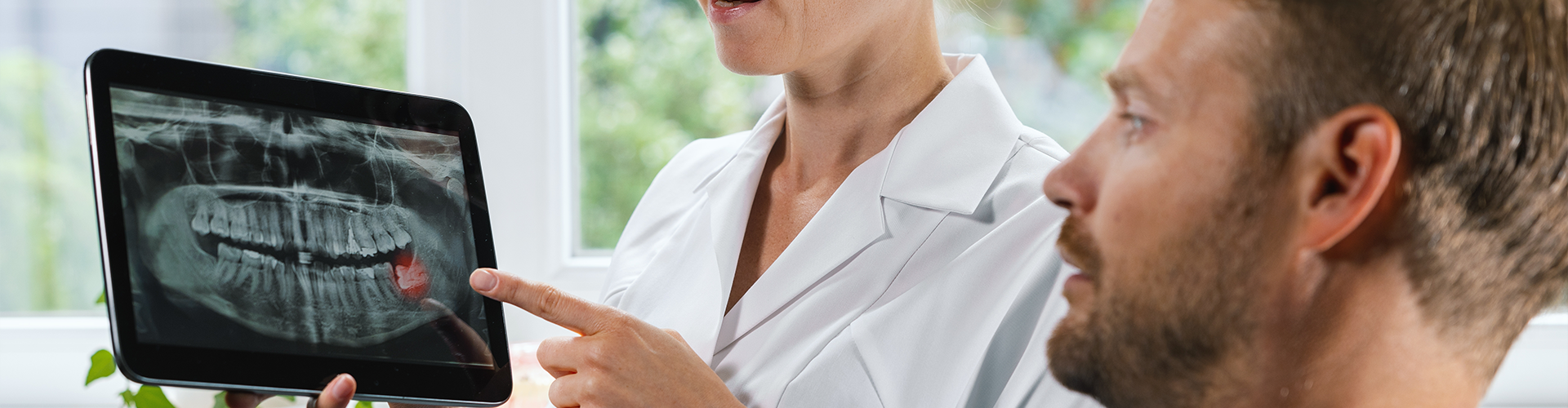
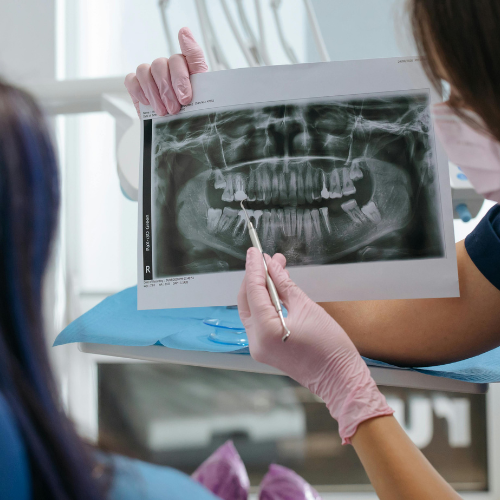
Before the procedure, a thorough evaluation is conducted. This typically includes dental X-rays to determine the exact position of the impacted teeth and to assess any potential risks, such as proximity to nerves or sinuses. Based on this evaluation, your dentist or oral surgeon will create a tailored treatment plan, discussing the details with you to ensure you understand the process and what to expect.
The Surgical Procedure
The surgery to remove impacted wisdom teeth is usually performed by an oral surgeon, though some general dentists are also qualified to perform the procedure. Depending on the complexity of the extraction and your personal preference, the surgery may be done under local anesthesia (to numb the specific area), sedation anesthesia (to relax you and reduce awareness), or general anesthesia (to make you completely unconscious during the procedure).
During the surgery, the oral surgeon makes an incision in the gum tissue to expose the impacted tooth and, if necessary, removes a small portion of bone that might be covering it. In some cases, the tooth is divided into sections to make the removal process easier and to minimize the amount of bone that needs to be removed. Once the tooth is extracted, the surgical site is cleaned, and the incision is usually closed with stitches, which may dissolve on their own after a few days.
Post-Surgery Recovery
Recovery from wisdom tooth surgery varies from person to person, but most people can expect to return to their normal activities within a few days to a week. Immediately following the procedure, it’s common to experience some swelling, bruising, and discomfort, which can be managed with prescribed pain relievers and anti-inflammatory medications. Applying ice packs to the affected area can also help reduce swelling.
During the first 24 hours after surgery, it’s important to follow post-operative care instructions carefully. This may include biting down on gauze to control bleeding, avoiding certain foods that could irritate the surgical site, and refraining from smoking or using straws, as these actions can dislodge the blood clot that forms in the socket and lead to a painful condition known as dry socket.
Your dentist or oral surgeon will provide specific guidelines on how to care for your mouth as it heals, including how to clean your teeth and when to return for a follow-up visit. It’s crucial to keep the surgical site clean to prevent infection, so you may be advised to rinse your mouth gently with a saltwater solution starting 24 hours after surgery.
Conclusion
Impacted wisdom teeth are a common issue that shouldn't be ignored. If you suspect you have impacted wisdom teeth or are experiencing symptoms, it's important to seek professional advice. Our dental office is here to help you through every step of the process. Schedule your appointment today to discuss your treatment options and ensure your dental health remains in top condition!





..png)
..png)
..png)
..png)


..png)