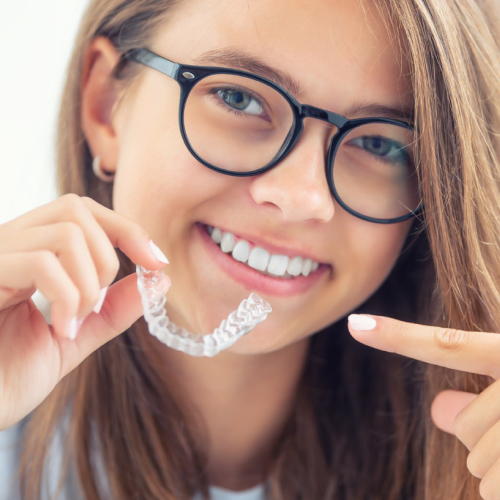
Why Your Invisalign Trays Aren't Fitting—And What It Means for Your Treatment
Invisalign tray not fitting right in Riverside? Learn about tracking, gaps, and refinements—and what to do next. Call Dental Specialists of Riverside today.
Read More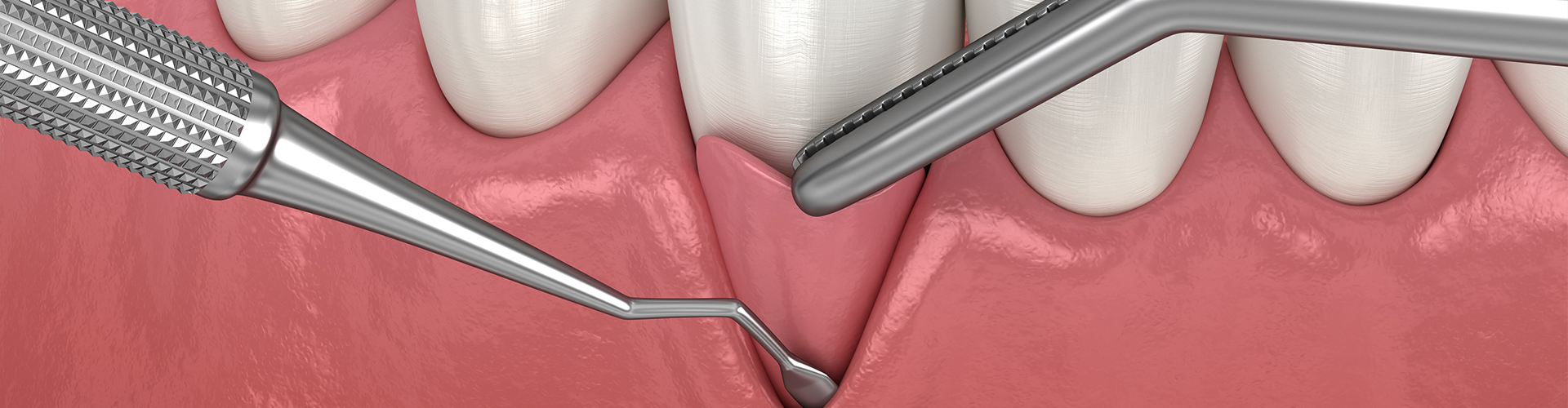
A warm smile can brighten anyone's day, but did you know that your gums play a crucial role in maintaining that smile? If you've been told you might need a gum graft or are simply curious about the procedure, you're in the right place. In this blog, we'll explore what gum grafting is, why it might be necessary, address common concerns about pain, and discuss insurance coverage. Our aim is to provide clear, compassionate information to help you make informed decisions about your dental health.
What Is Gum Grafting and Why Might I Need It?
Gum grafting is a specialized surgical procedure performed by periodontists—dentists who focus on gum health. The primary goal is to repair gums that have receded and to protect your teeth from the damaging effects of gum recession.
Understanding Gum Recession
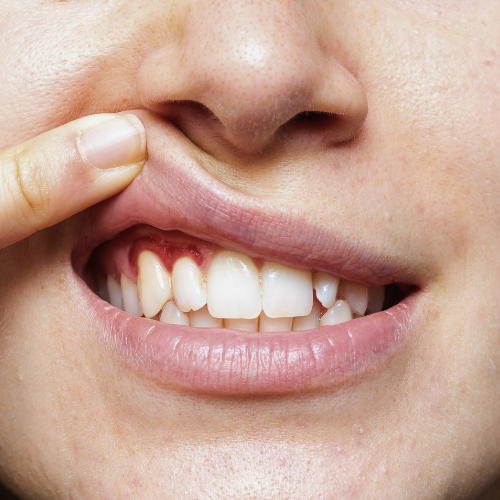
Gum recession occurs when the gum tissue surrounding your teeth pulls back, exposing more of the tooth or even its root. This can lead to increased sensitivity, a higher risk of decay, and potential bone loss. Several factors contribute to gum recession:
Types of Gum Grafting Procedures
Your dentist will recommend the best grafting method based on your specific needs:
Benefits of Gum Grafting
Is Gum Grafting Painful?
It's natural to feel apprehensive about any surgical procedure, especially one involving your mouth. The good news is that gum grafting is generally well-tolerated, and we take every measure to ensure your comfort.
During the Procedure
After the Procedure
Healing Process
Most patients find that any temporary discomfort is well worth the lasting benefits of healthier gums and a more confident smile.
Is Gum Grafting Covered by Insurance? Financial considerations are important when planning for any medical procedure. Insurance coverage for gum grafting can vary, but here's what you need to know.
Understanding Insurance Coverage
Steps to Determine Your Coverage
Alternative Financing Options
Our administrative team is here to assist you in navigating the insurance process to maximize your benefits and minimize stress.
Taking care of your gums is an essential part of maintaining overall oral health. Gum grafting is a safe and effective way to address gum recession, prevent further dental issues, and enhance the beauty of your smile.
We understand that making decisions about dental procedures can be overwhelming. That's why we're committed to providing personalized care and clear information every step of the way. Our experienced team is here to answer your questions, alleviate your concerns, and guide you through the process with compassion and expertise.
Don't let gum recession hold you back from a confident smile. Schedule an appointment with us today and take the first step toward optimal oral health!
We look forward to helping you achieve a healthier, happier smile.
Fresh news from the dental world




Mon, Tues, Thur 9AM - 6PM
Weds 10AM - 7PM
Friday 8AM - 5PM
Sat & Sun Closed
Check out what our patients are saying in Riverside...


“What a Difference...”
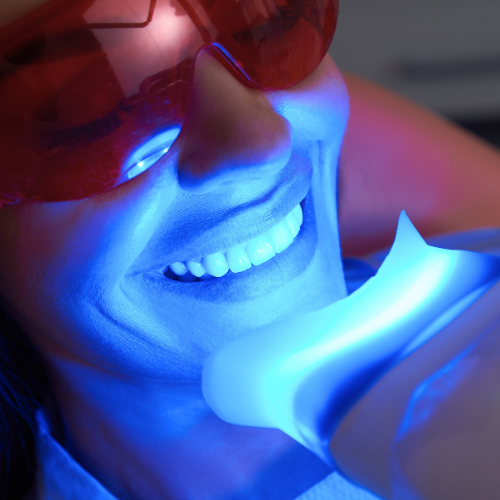
“My wife and I recently decided to try teeth whitening here. Wow! What a difference. Thank you!”

“So Comfortable...”
"I have been coming here for years and I love this place. I feel so comfortable whenever I go into ortho. Everyone's really friendly! The ladies at the front desk are my favorite, they're always so helpful and always try their best to work around my schedule. Would definitely recommend!"

“Expert Care...”
“I have come a long way with all my dental issues. I’ve been able to take back control of my dental health because of the expert care I’ve received over the years at Dental Specialists of Riverside. I highly recommend this place because they won’t pressure you into stuff that you don’t need or that you are not ready for.”
..png)
“Never Disappointed...”
“I don’t have much time to waste, so I always get my whitening done by the good folks at Dental Specialists of Riverside. Never disappointed.”
“What a Difference...”
“My wife and I recently decided to try teeth whitening here. Wow! What a difference. Thank you!”
“So Comfortable...”
"I have been coming here for years and I love this place. I feel so comfortable whenever I go into ortho. Everyone's really friendly! The ladies at the front desk are my favorite, they're always so helpful and always try their best to work around my schedule. Would definitely recommend!"
Check out our accreditations, sources, and relationships in the wide world of dentistry...
..png)
..png)
..png)
Check us out and follow our Riverside, CA practice on social media...


..png)