Oral Surgery, Implant Dentistry
What Causes Bone Loss After Tooth Extraction?
By Monarchy Media LLC on January 12, 2023 at 10:19 PM
Are you worried about the potential for bone loss after tooth extraction? If so, you're not alone. It's natural to have concerns about the impact that tooth loss can have on your oral health and, specifically, the health of your jawbone. In this blog post, we'll delve into the connection between tooth loss and bone loss and provide you with the information you need to understand and manage this potential complication. From the causes of bone loss after tooth extraction to prevention and treatment options, we've got you covered. So if you're interested in learning more about this important topic, keep reading!
What Does Bone Loss In The Jaw Mean?
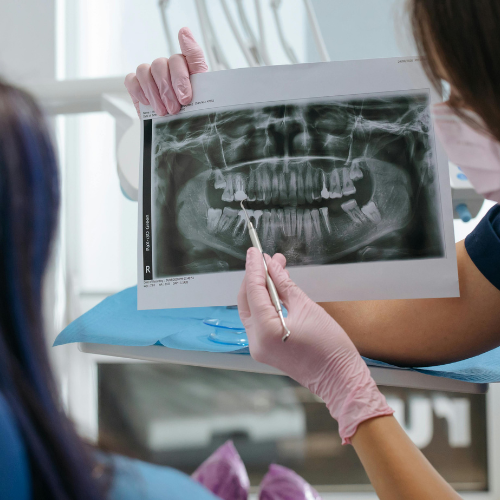
When it comes to tooth extractions and bone loss, many people are unsure of what this means for their oral health. We often think about the pain and discomfort that comes with them. But we need to consider the long-term effects they can have on our bodies. Bone loss in the jaw is one of the most common side effects of tooth extraction, and it can have serious implications for your mouth. It is true that when a tooth is extracted, there is always some degree of bone loss. But this bone loss is usually minimal and doesn't seriously threaten your health. Bone loss in the jaw occurs when a tooth root is removed during extraction. This leaves a void in the jaw where the tooth used to be, which causes the healthy bone surrounding the area to disintegrate slowly over time. As a result, the jawbone around the extracted area becomes thinner and weaker, leading to an increased risk of gum recession and other oral health issues.
What Causes Bone Loss In Your Jaw?
There are many factors that contribute to bone loss in your jaw, but the primary cause of bone loss in the jaw is the absence of stimulation that was once provided by tooth roots. When a tooth is lost, and its root along with it, the area where the root used to be gradually loses its supportive and stimulating properties. This can cause significant bone deterioration over time. This process can continue for several years after the extraction, which is why taking care of your teeth and gums is important. Without regular stimulation from a healthy tooth root, the body begins to reabsorb the nutrients from the site - leading to a decrease in bone density, volume and strength, eventually breaking down. This can leave patients with an unattractive "sunken-in" look and a diminished ability to support and stabilize their dentures or bridges. Factors that contribute to bone loss in the jaw Include:
-The type of tooth being extracted: Teeth with large roots (such as molars) are more likely to cause bone loss than teeth with small roots (such as incisors).
-The location of the tooth: Teeth closer to the back of the mouth (such as molars) are more likely to cause bone loss than teeth closer to the front of the mouth (such as incisors).
-The health of the patient: Patients with certain medical conditions (such as diabetes) are more likely to experience bone loss after an extraction. Talk to your dentist if you're concerned about bone loss in your jaw. They can evaluate your risk and recommend steps you can take to minimize the effects of resorption.
-Age and genetics: The older you are and the more genetically predisposed you are to osteoporosis, the more likely you will experience bone loss after tooth extraction.
-The method of extraction: Traditional extractions (where the dentist uses a drill to remove the tooth) tend to cause more bone loss than newer, minimally invasive techniques (like laser extractions).
-The healing process: Some people heal more slowly than others, which can lead to more bone loss. Additionally, if the extraction site isn't cared for properly during the healing process, this can also contribute to bone loss.
-Other factors contributing to bone loss in your jaw include periodontal disease, trauma, and certain medications. If you're worried about bone loss, talk to your dentist. They can answer any questions you have and help put your mind at ease.
Does Jaw Bone Grow Back After Tooth Extraction?
It's natural to be concerned about bone loss after tooth extraction, but what happens to the jawbone? After a tooth has been extracted, the jawbone underneath it will not return. However, there are methods available to help preserve the bone and maintain its shape and size. The most common option is a dental implant, which involves replacing missing dentition with artificial teeth as soon as possible. Other options include grafting new bone into the jaw or soft tissues to stimulate new bone growth. Bone augmentation materials can also be inserted between existing bones and teeth to fill up missing spaces. For those suffering from severe bone loss due to periodontal disease, surgical techniques might be necessary for restoring the jawbone's height and width. Furthermore, regenerative therapies such as stem cell therapy offer hope for restoring missing bone structures in moderate to advanced cases of bone loss. All these procedures will help ensure that the fit of dentures and other restorations is maintained and that any remaining teeth have adequate support. No matter what method you choose for reducing the side effects of bone loss, proper care and maintenance should always be considered, as this will ensure long-term success in your oral health journey.
Conclusion
In conclusion, tooth extraction can cause bone loss, but the right timing and careful implementation of your dentist's treatment plan will help you minimize bone loss. Following up with your dentist regularly after a tooth extraction to monitor progress is essential to ensure that any bone loss is kept to a minimum. With proper treatment and dental hygiene habits, patients should be able to restore their smile and maintain optimal oral health.







..png)
..png)
..png)
..png)


..png)