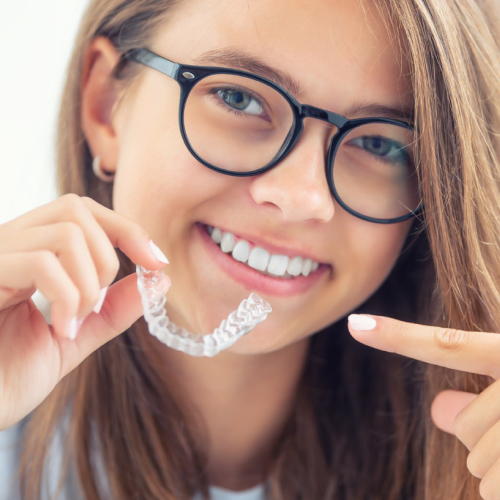
Why Your Invisalign Trays Aren't Fitting—And What It Means for Your Treatment
Invisalign tray not fitting right in Riverside? Learn about tracking, gaps, and refinements—and what to do next. Call Dental Specialists of Riverside today.
Read More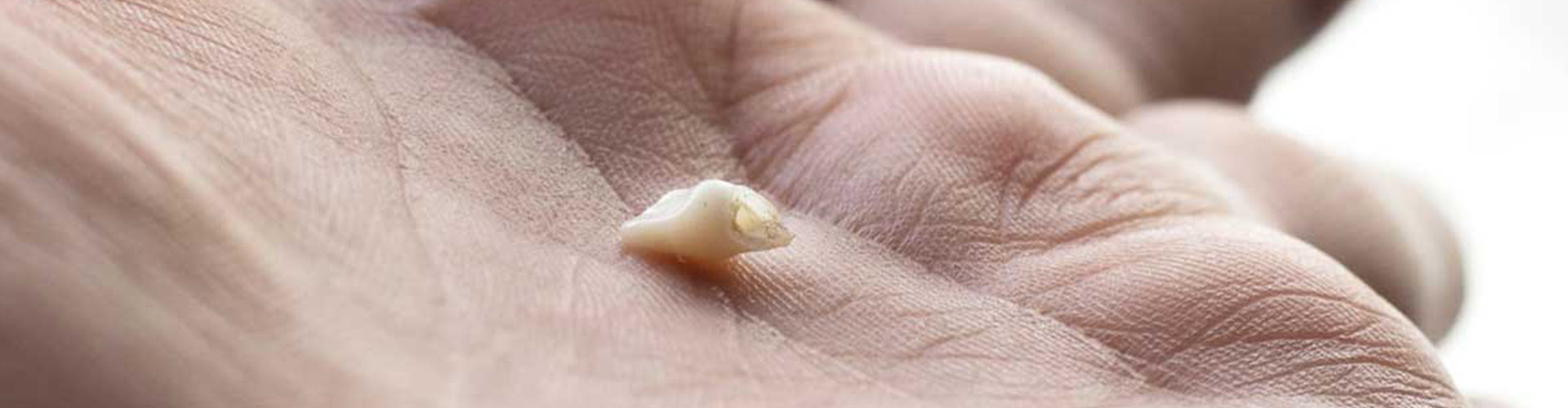
A chipped tooth is a common phenomenon among children and adults. Despite the fact that enamel is the hardest and the most mineralized tissue within the body, it is possible for a tooth to chip. Causes of a Chipped Tooth Biting hard substances such as hard candy or ice Car accidents or a fall Playing sports games without a guard for the mouth Grinding teeth when asleep Tooth decay Large and old amalgam fillings where the natural tooth may become brittle Untreated cavities Sudden changes in temperature such as drinking very hot tea then taking ice cold water may also cause the cracking of a tooth A cracked tooth may at first have no symptoms. Owing to this fact, an individual may have a cracked tooth and they may not even realize it, hence explaining the need for regular check-ups. Some types of cracked teeth may also be harmless and due to this fact may not need treatment.
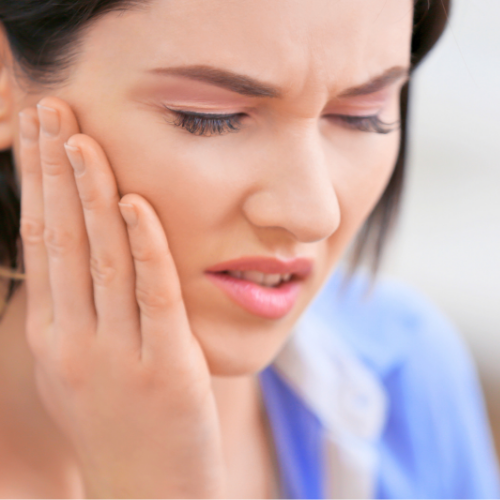
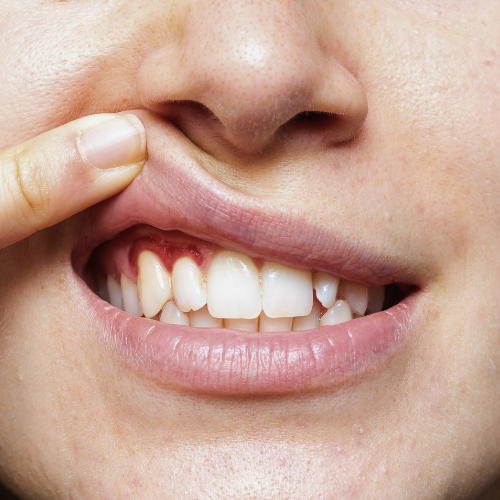
Symptoms of a Chipped Tooth Pain in a particular tooth when eating especially when biting or chewing Gums may be swollen around the area of the cracked tooth A tooth may suddenly become sensitive to cold or hot foods and drinks, as well as sweetness due to drinks or foods. Sudden pain that has a habit of coming and going Discomfort around the gum and tooth that is chipped and that may be hard to explain or pinpoint Feeling a tooth surface is jagged upon running one’s tongue over a certain tooth Pain owing to pressure on a tooth upon biting on any type of food Problems Resulting from a Chipped Tooth A weakened tooth is more likely to break or chip in contrast to strong teeth. Below are some of the factors that lead to continual weakening of the strength of the tooth, and the inherent problems that may be accrued. Swollen glands Infected roots Bad breath Sensitivity to cold or hot temperatures in the mouth due to food or drinks Cutting of gums, tongue, and cheek due to sharp edges Negative impact on the root of one’s tooth due to deep chips which may lead to tooth aches or potential infections to the tooth Tooth decay may also result which leads to increased sensitivity Chips may grow bigger which may lead to even serious issues which may lead to the need for extractions or root canals Cavities and decay may result which lead to the eating away of the enamel The enamel may be worn down The surface of the tooth may be left exposed which may lead to the breaking down of the enamel due to intake of acid producing foods Frequent vomiting may also result in a damaged tooth because of an overall intake of alcohol or due to eating disorders Bacteria may be produced in the mouth due to sugar intake, and this bacteria can have a negative impact on the enamel
Options for Treating a Chipped Tooth Upon realizing any of the symptoms discussed, it is important to see the dentist. However, one may try the self-care measures below in the interim. Rinsing the mouth with salt water Taking acetaminophen or any form of pain reliever drug as advised by a pharmacist Minimize intake of hard foods and avoid biting food on the broken tooth Dental Onlays If only a part of the tooth is affected, a dentist may suggest the input of a dental onlay. Usually, it is applied on the surface of molars. The dentist takes a mold of the tooth affected, and sends it to a laboratory for the creation of the onlay. Bonding Alternatively, a porcelain or resin material may be cemented to the surface of the chipped tooth and shaped. UV light may be used to dry and harden the material with more shaping up until the material can fit in the tooth. Veneers A veneer may also be attached where the dentist may need to smooth the enamel of the affected tooth in order to make room for a veneer. Tooth Reattachment If the fragment of the chipped tooth is still in one’s position. One may place it in a glass of milk in order to keep it alive and moistened. From there, one may get to the dentist immediately in order for it to be cemented back to the tooth.
Fresh news from the dental world




Mon, Tues, Thur 9AM - 6PM
Weds 10AM - 7PM
Friday 8AM - 5PM
Sat & Sun Closed
Check out what our patients are saying in Riverside...


“What a Difference...”
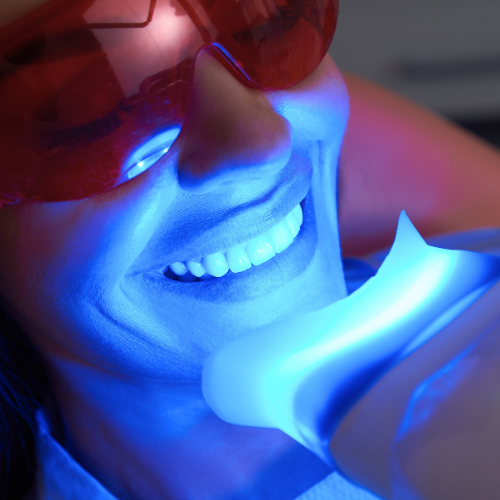
“My wife and I recently decided to try teeth whitening here. Wow! What a difference. Thank you!”

“So Comfortable...”
"I have been coming here for years and I love this place. I feel so comfortable whenever I go into ortho. Everyone's really friendly! The ladies at the front desk are my favorite, they're always so helpful and always try their best to work around my schedule. Would definitely recommend!"

“Expert Care...”
“I have come a long way with all my dental issues. I’ve been able to take back control of my dental health because of the expert care I’ve received over the years at Dental Specialists of Riverside. I highly recommend this place because they won’t pressure you into stuff that you don’t need or that you are not ready for.”
..png)
“Never Disappointed...”
“I don’t have much time to waste, so I always get my whitening done by the good folks at Dental Specialists of Riverside. Never disappointed.”
“What a Difference...”
“My wife and I recently decided to try teeth whitening here. Wow! What a difference. Thank you!”
“So Comfortable...”
"I have been coming here for years and I love this place. I feel so comfortable whenever I go into ortho. Everyone's really friendly! The ladies at the front desk are my favorite, they're always so helpful and always try their best to work around my schedule. Would definitely recommend!"
Check out our accreditations, sources, and relationships in the wide world of dentistry...
..png)
..png)
..png)
Check us out and follow our Riverside, CA practice on social media...


..png)