The sudden sharp pain of a cracked tooth can catch you off guard. The uncertainty that follows may be just as perplexing as the initial discomfort. You might find yourself wondering, "Can a cracked tooth somehow repair itself?" or "What could possibly happen if I leave a cracked tooth untreated?"
Well, it's time to put your worries to rest. Let's delve into these questions together, and take you on an easy-to-follow, step-by-step journey on how to manage a cracked tooth.
Step 1: Recognizing a Cracked Tooth
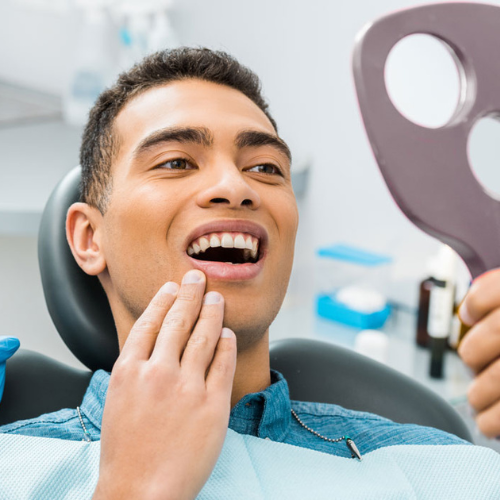
Recognizing a cracked tooth isn't always as straightforward as you might think. Sometimes it's an acute pain when chewing or sensitivity to temperature changes. Other times, the symptoms might be more subtle, making the issue more challenging to identify. If you suspect you have a cracked tooth, the first step is to schedule an appointment with your dentist for a professional examination and confirmation.
Step 2: Comprehensive Dental Evaluation
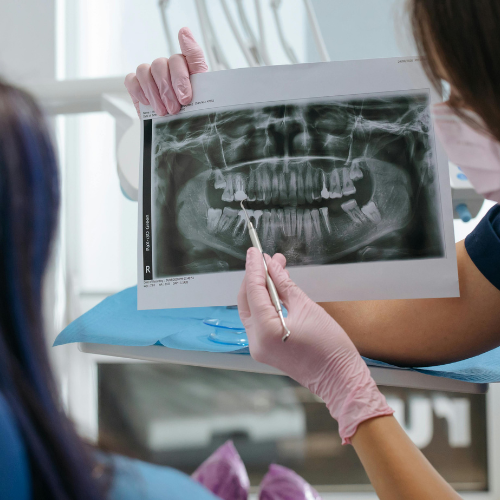
During your dental consultation, your dentist will carry out a comprehensive examination. They might use a magnifying lens, dental dye, or a special light to identify any cracks. While an X-ray may be taken, it’s important to note that many tooth cracks are often too thin to show up. This examination is an opportune time to ask questions and gain a better understanding of your oral health.
Can a Cracked Tooth Heal on Its Own?
A question we often get is, "Can a cracked tooth heal on its own?" The short and simple answer is no. Unlike other parts of the body, like bones, our teeth lack the ability to self-repair. While the surrounding tissues—gums and periodontal ligaments—can heal after an injury, the structure of the tooth itself cannot. The crack will remain and could progressively worsen if not addressed properly.
Step 3: What Can Be Done for a Cracked Tooth?
The approach to treating a cracked tooth varies, depending on the location and severity of the crack.
For Surface Cracks: Polishing
Surface cracks, also known as craze lines, are minor cracks that only affect the outer enamel of the tooth. These are common and usually don't cause pain. Most people have them without even realizing it. In these cases, your dentist may opt to simply polish the tooth. This process involves smoothing the area to eliminate any rough spots that could potentially irritate the tongue or become more significant issues over time. Polishing is a straightforward procedure that typically does not require anesthesia or cause discomfort.
For Deeper Cracks: Dental Filling or Bonding
When the crack penetrates beyond the surface of the tooth, a more involved treatment may be necessary. If the crack has caused a part of the tooth to break off or created a significant fissure, dental filling or bonding might be the best solution.
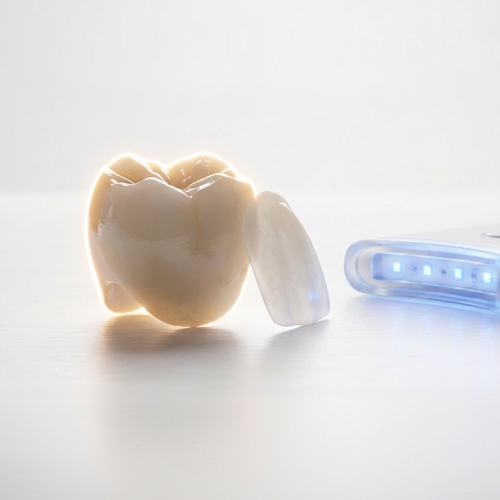
Dental filling involves the use of a tooth-colored resin material to fill the crack and restore the tooth's shape and function. Bonding, on the other hand, involves applying a resin to the tooth's surface, sculpting it to the correct shape, and then hardening it with a special light. Both procedures aim to protect the tooth from further damage and restore its appearance and function.
For Cracks Reaching the Pulp: Root Canal Therapy
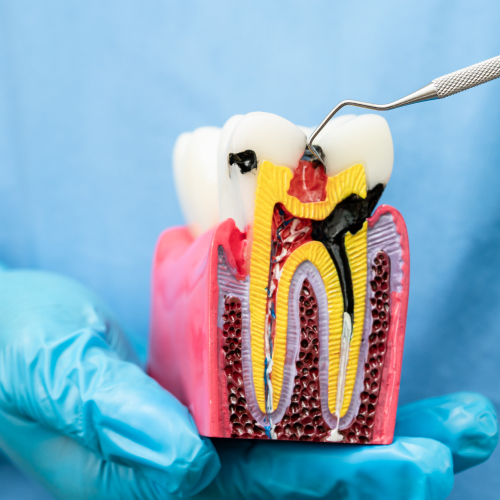
If the crack extends into the pulp of the tooth - the soft, inner part of the tooth that contains nerves and blood vessels - root canal therapy might be the most suitable course of action. This procedure involves removing the damaged pulp, cleaning and disinfecting the pulp chamber and root canal, filling and sealing it, and finally restoring the tooth with a crown for protection. While the term "root canal" might seem daunting, modern dental techniques and anesthesia make this procedure far more comfortable than it once was.
For Severe Cases: Tooth Extraction and Replacement Options
In the most severe cases, where the crack has spread below the gum line or fractured the tooth extensively, extraction might be the only viable solution. This involves removing the entire tooth to prevent further complications. However, losing a tooth does not mean you have to live with a gap in your smile. Your dentist will likely suggest replacement options such as a dental implant or a bridge.
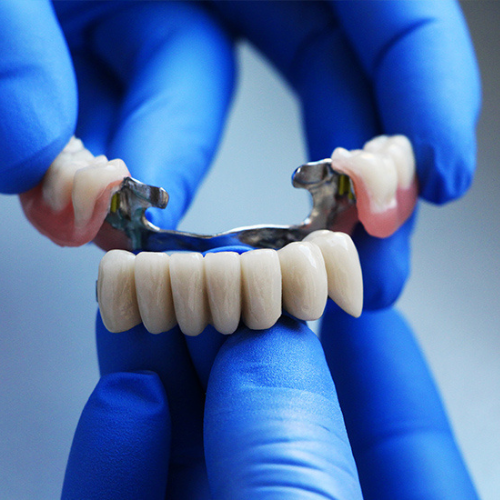
Dental implants involve surgically inserting a titanium post into the jawbone and attaching a custom-made crown, providing a secure and natural-looking replacement. Dental bridges, on the other hand, involve creating a false tooth (or teeth) supported by the adjacent teeth or implants. Both options aim to restore your smile and prevent issues associated with missing teeth, such as shifting of adjacent teeth or bone loss in the jaw.
In summary, treating a cracked tooth involves a variety of options, each catered to the specific needs of the patient. Your dentist will guide you through the best course of action to restore your dental health and ensure your smile remains as radiant as ever.
Step 4: Following Post-Treatment Care Instructions
After your tooth has been treated, it's crucial to adhere to your dentist's post-treatment care guidelines. These could involve dietary adjustments, specific oral hygiene practices, and possibly follow-up visits to ensure the tooth is healing appropriately.
What Happens If You Leave a Cracked Tooth Untreated?
A cracked tooth is a dental emergency and leaving it untreated may lead to serious dental complications. These include tooth decay, pulp infection, and even dental abscesses. Such conditions could not only increase discomfort but also lead to systemic infections that impact your overall health. This is why treating a cracked tooth promptly is paramount, as it helps avoid more complex and costly dental procedures in the future.
Conclusion
Dealing with a cracked tooth may seem overwhelming, but with the right information and approach, it doesn't have to be. The most important thing is to remain proactive, seek professional advice promptly, and adhere to the recommended treatment plan.
We hope this comprehensive, step-by-step guide has helped answer your questions and eased your concerns about managing a cracked tooth. But, remember, prevention is always better than cure. If you suspect a cracked tooth, don't wait for the situation to worsen or for the pain to become unbearable.
Our dental clinic’s team of professionals is always ready to assist. We're committed to making your dental experience as comfortable and worry-free as possible. So, don’t hesitate to reach out and schedule a consultation. We’re here to ensure that your smile stays as bright and healthy as ever!







..png)
..png)
..png)
..png)


..png)