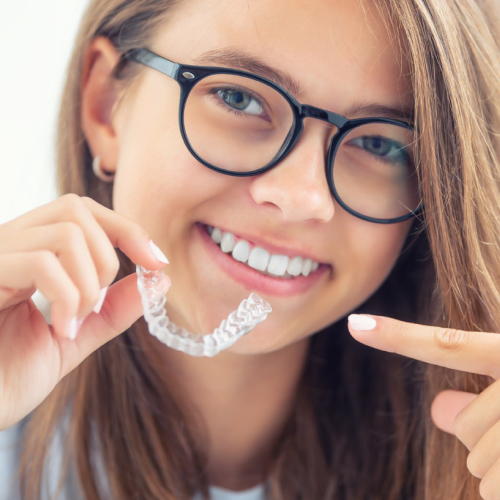
Why Your Invisalign Trays Aren't Fitting—And What It Means for Your Treatment
Invisalign tray not fitting right in Riverside? Learn about tracking, gaps, and refinements—and what to do next. Call Dental Specialists of Riverside today.
Read More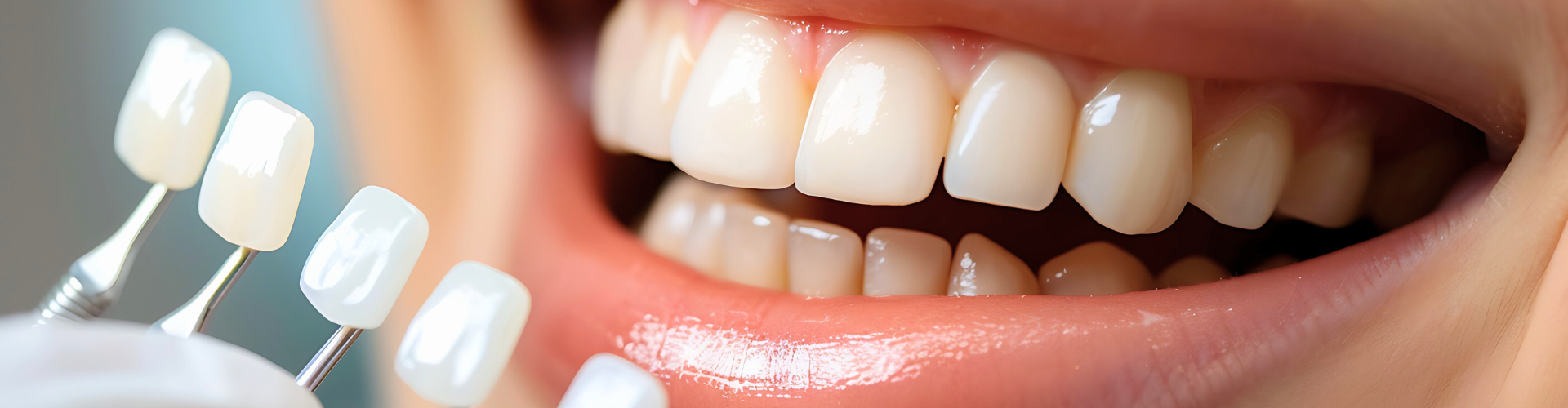
Dental veneers may look simple once they are in place, but the process behind them is anything but basic. Every veneer is the result of careful planning, precision dentistry, and detailed craftsmanship designed to enhance your smile while protecting your natural teeth.
At Dental Specialists of Riverside, veneers are treated as a collaborative process between you, your dentist, and the dental laboratory. The goal is not to create a generic perfect smile, but one that fits your face, your bite, and your lifestyle.
Understanding how veneers are made can help you feel more comfortable with the process and more confident in your decision. When you know what goes into each step, it becomes clear why veneers can be such a powerful and lasting cosmetic solution.
The journey of a dental veneer begins long before anything is placed on your teeth. It starts with thoughtful evaluation and ends with precise placement.
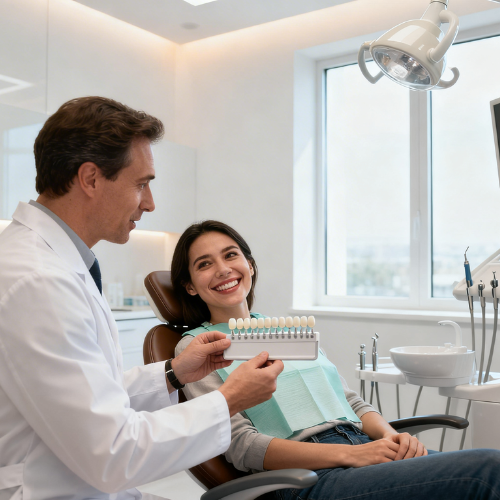
The consultation and planning phase: The first step is a comprehensive consultation. During this visit, your dentist focuses on both aesthetics and oral health.
This stage typically includes:
This planning phase is essential. Veneers should complement your natural smile, not overpower it. Proper planning helps ensure the final result looks balanced and natural.
Preparing the teeth: Once a treatment plan is confirmed, the teeth receiving veneers are gently prepared. This usually involves removing a very thin layer of enamel from the front surface of the tooth.
The preparation process is done carefully to:
Many patients are surprised by how minimal this step is. In most cases, only a small amount of enamel is removed.
Capturing detailed impressions or scans: After preparation, your dentist takes precise impressions or digital scans of your teeth. These records capture the exact shape, size, and alignment of each prepared tooth.
This information is sent to a dental laboratory, where skilled technicians begin crafting your veneers by hand. Every detail matters, from the curve of the tooth to how it reflects light.
Temporary veneers: While your custom veneers are being made, temporary veneers may be placed. These protect your teeth and allow you to get used to the feel and appearance of veneers.
Temporary veneers also give you the opportunity to:
Final placement and bonding: Once your permanent veneers are ready, you return for the placement appointment. Each veneer is carefully checked for fit, color, and overall appearance before being bonded.
The bonding process involves cleaning the tooth, applying a specialized adhesive, and securing the veneer in place. Once bonded, the veneer becomes a strong and seamless part of your smile.
The material used to create veneers plays a major role in how they look, feel, and perform over time. Choosing the right material is a key part of achieving natural looking results.
Porcelain veneers
Porcelain veneers are widely used because they closely resemble natural tooth enamel.
Porcelain offers several advantages:
Because porcelain veneers are created in a dental laboratory, they allow for a high level of customization. This makes them ideal for patients who want a refined and natural looking smile.
Composite resin veneers
Composite veneers are made from a tooth colored resin material and are often shaped directly on the tooth during your appointment.
Composite veneers are known for:
While composite veneers can produce attractive results, they may not last as long as porcelain and can be more prone to staining over time.
How material choice affects appearance and longevity
The choice between porcelain and composite veneers depends on several factors, including your smile goals, bite, and daily habits.
Your dentist will consider:
Selecting the right material helps ensure your veneers look natural, feel comfortable, and hold up well over the years.
Dental veneers are not a same day treatment for most patients. The process takes time because of the level of customization involved.
Typical veneer timeline
Most veneer treatments follow a general timeline:
From start to finish, the process typically takes two to three weeks.
Why the timeline matters
Each step in the veneer process serves a purpose. Rushing through any phase can affect the final outcome.
Allowing adequate time ensures:
Veneers are designed to last for years. Taking the time to create them properly helps protect your investment and your oral health.
Once your veneers are in place, caring for them is straightforward. They are designed to function like natural teeth.
To maintain your veneers:
With proper care, veneers can remain beautiful and functional for many years.
Dental veneers are a blend of art and science. From the initial planning to the final polish, every step is designed to create a smile that feels natural and confident.
If you are considering veneers and want expert guidance, Dental Specialists of Riverside is here to help.
Fresh news from the dental world





Mon, Tues, Thur 9AM - 6PM
Weds 10AM - 7PM
Friday 8AM - 5PM
Sat & Sun Closed
Check out what our patients are saying in Riverside...


“What a Difference...”
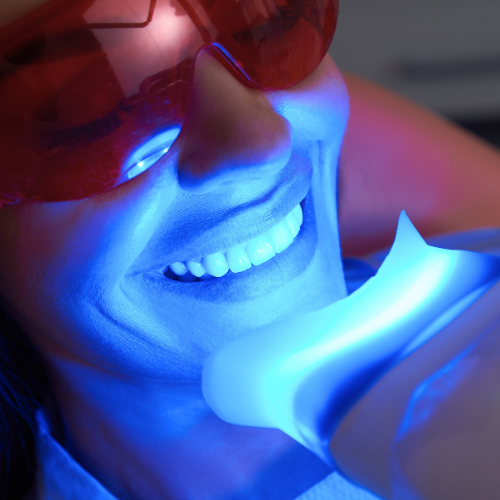
“My wife and I recently decided to try teeth whitening here. Wow! What a difference. Thank you!”

“So Comfortable...”
"I have been coming here for years and I love this place. I feel so comfortable whenever I go into ortho. Everyone's really friendly! The ladies at the front desk are my favorite, they're always so helpful and always try their best to work around my schedule. Would definitely recommend!"

“Expert Care...”
“I have come a long way with all my dental issues. I’ve been able to take back control of my dental health because of the expert care I’ve received over the years at Dental Specialists of Riverside. I highly recommend this place because they won’t pressure you into stuff that you don’t need or that you are not ready for.”
..png)
“Never Disappointed...”
“I don’t have much time to waste, so I always get my whitening done by the good folks at Dental Specialists of Riverside. Never disappointed.”
“What a Difference...”
“My wife and I recently decided to try teeth whitening here. Wow! What a difference. Thank you!”
“So Comfortable...”
"I have been coming here for years and I love this place. I feel so comfortable whenever I go into ortho. Everyone's really friendly! The ladies at the front desk are my favorite, they're always so helpful and always try their best to work around my schedule. Would definitely recommend!"
Check out our accreditations, sources, and relationships in the wide world of dentistry...
..png)
..png)
..png)
Check us out and follow our Riverside, CA practice on social media...


..png)