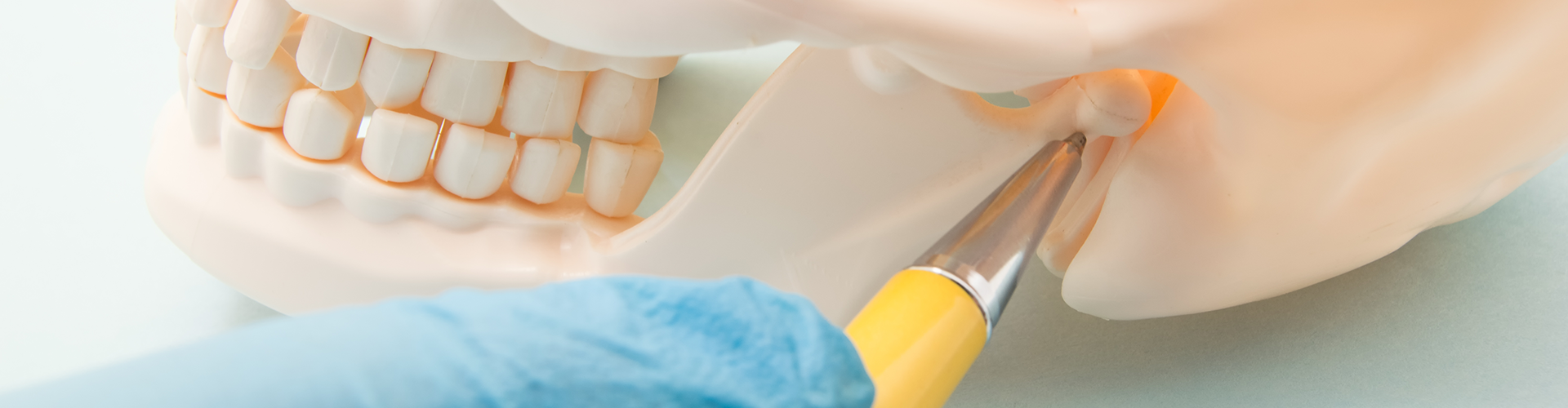
Temporomandibular Joint (TMJ) disorders can be a source of significant discomfort, affecting your daily life and overall well-being. As a dental office committed to providing exceptional care, we understand the importance of recognizing and effectively managing TMJ symptoms. In this informative blog, we delve deep into the intricacies of TMJ, offering expert insights to help you identify, understand, and seek timely intervention for this condition.
What Mimics TMJ?
TMJ disorders, characterized by a range of complex symptoms, can often be misleading, mimicking several other conditions. It's crucial to understand these similarities and differences to ensure accurate diagnosis and effective treatment.
Common TMJ Symptoms
The hallmark symptoms of TMJ include persistent jaw pain, difficulty in chewing, and a distinctive clicking or popping sound when moving the jaw. In some cases, patients may also experience locking of the jaw, making it difficult to open or close the mouth fully. However, what sets TMJ apart are specific signs such as localized pain in the temporomandibular joint. This pain might radiate towards the ears, manifesting as earaches, and can often lead to tension headaches or migraines due to the interconnected nature of craniofacial muscles.
Confusing TMJ with Other Dental Issues
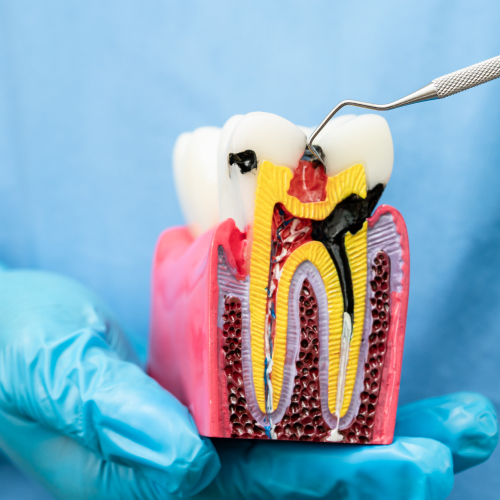
TMJ symptoms can closely resemble those of common dental problems. For instance, toothaches, particularly in the molars, can mimic TMJ pain due to their proximity to the temporomandibular joint. Similarly, gum diseases and dental abscesses can cause discomfort in areas that might be mistaken for TMJ-related pain.
Sinus Issues and TMJ
Sinusitis, characterized by inflammation of the sinus cavities, often leads to pressure and discomfort around the face and jaw area. This can easily be confused with TMJ, especially since the pain is located in regions affected by both conditions. The key difference lies in the nature of the pain and accompanying symptoms like nasal congestion and discharge, which are indicative of sinus issues rather than TMJ.
Headaches and Their Link to TMJ
Headaches, particularly tension-type and migraines, can often be mistaken for TMJ-related discomfort. The confusion arises due to the overlapping symptoms of head pain. However, TMJ-associated headaches usually originate or intensify around the jaw and temples and are often accompanied by jaw dysfunction, unlike typical headaches.
Other Conditions Mimicking TMJ
Other medical conditions can also present symptoms similar to TMJ. These include:
Neuralgias: Conditions like trigeminal neuralgia, which affects the facial nerves, can cause sharp, shooting pains that might be mistaken for TMJ pain.
Ear Conditions: Ear infections and other ear-related problems can cause discomfort around the ears, leading to confusion with TMJ, especially when there's no apparent ear pathology.
Muscle Disorders: Myofascial pain syndrome, a chronic condition affecting muscle tissues, can produce symptoms similar to TMJ, including facial pain and muscle tenderness.
The Importance of Professional Evaluation
Given the complexity and overlapping nature of these symptoms, distinguishing TMJ from other conditions can be challenging. A thorough examination by a dental professional, possibly including a detailed clinical evaluation, imaging studies, and a review of the patient's medical history, is crucial in accurately diagnosing TMJ. This precise differentiation is vital, as it guides the appropriate treatment plan, ensuring that patients receive the most effective care for their specific condition.
How Do You Test for TMJ?
Diagnosing TMJ requires a multifaceted approach, starting with a comprehensive clinical evaluation and potentially involving advanced diagnostic techniques. Understanding this process can help demystify what to expect during a TMJ assessment.
Comprehensive Clinical Evaluation: The First Step
The initial phase of diagnosing TMJ involves a thorough clinical assessment. This begins with an in-depth discussion of your symptoms. You'll be asked about the nature, duration, and severity of your symptoms, such as pain, jaw stiffness, or clicking sounds. It's also crucial to mention any specific triggers that worsen these symptoms, like certain jaw movements or times of the day.
Equally important is your medical history. Your dentist or TMJ specialist will inquire about previous dental work, injuries to the jaw or head, history of arthritis, and any chronic conditions that could influence TMJ. Lifestyle factors, such as stress levels and habits like teeth grinding (bruxism), are also vital to this evaluation.
Following the discussion, a physical examination is conducted. This involves assessing the range of motion in your jaw, locating areas of pain or discomfort, and evaluating bite alignment. Your dentist might also palpate (gently press) around the jaw, temples, and neck to identify tender areas or muscle knots.
Advanced Diagnostic Techniques: When Further Insight is Needed
In some cases, where the clinical evaluation doesn't conclusively diagnose TMJ or when a more severe condition is suspected, advanced imaging techniques come into play.
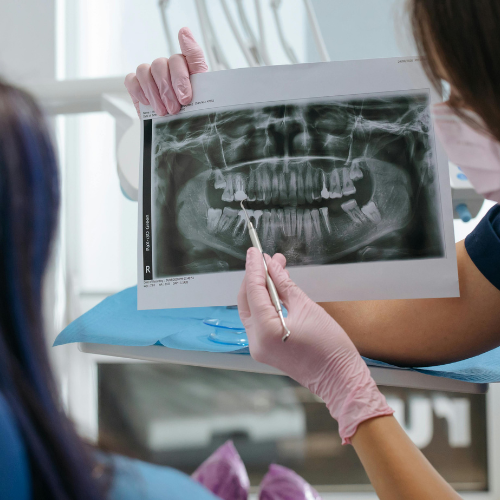
X-rays: Dental x-rays can reveal the state of the jawbone, the joint's alignment, and any potential abnormalities. They are particularly useful in ruling out other dental issues that might cause similar symptoms.
MRI Scans: Magnetic Resonance Imaging (MRI) is a more sophisticated diagnostic tool. It provides detailed images of both the hard and soft tissues, including the joint's disc and surrounding muscles. MRIs are crucial in assessing the extent of damage or displacement in the TMJ and are particularly valuable in planning treatment for more complex cases.
CT Scans: Computed Tomography (CT) scans offer a comprehensive view of the bone structure of the temporomandibular joint. They can detect abnormalities in the joint's position, shape, and overall integrity. CT scans are especially helpful when considering surgical interventions.
What Helps TMJ Fast?
While long-term treatment is essential, there are immediate strategies to alleviate TMJ discomfort. These include applying ice packs to reduce inflammation, eating soft foods to lessen jaw strain, and practicing stress-reducing techniques like meditation to relax the jaw muscles.
Professional Interventions
For more severe cases, professional interventions such as physical therapy, dental splints, or medication may be required. These methods aim to relieve pain, improve jaw function, and prevent further complications.
Conclusion: Your Path to Relief Starts Here
TMJ can be a challenging condition, but with the right knowledge and care, relief is attainable. We encourage you not to ignore any symptoms you may be experiencing. Schedule a consultation with our dental office for a personalized approach to your TMJ concerns. Let us guide you on your journey to better jaw health and improved quality of life.
Schedule Your Consultation Today
Experience expert care and find relief from TMJ symptoms. Contact us to schedule your consultation and take the first step towards effective TMJ management.
This comprehensive blog provides an in-depth look at TMJ symptoms, diagnostic methods, and immediate relief strategies, encouraging readers to schedule a consultation for personalized care. The informal yet knowledgeable tone makes complex information accessible, ensuring readers feel informed and empowered to seek professional help.







..png)
..png)
..png)
..png)


..png)