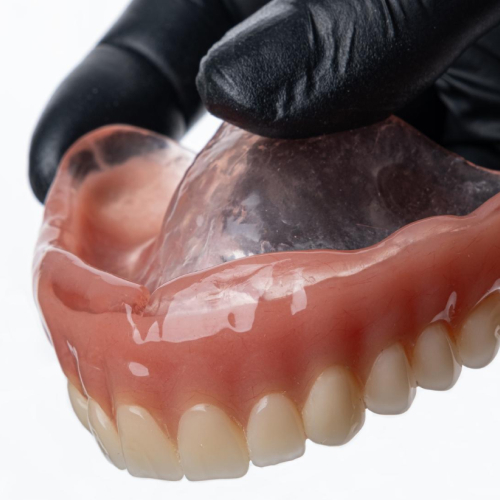
Denture Care Mistakes That Could Be Quietly Damaging Your Health
Are your denture habits harming your health? Learn the common denture care mistakes to avoid and schedule your checkup with our Riverside specialists today.
Read More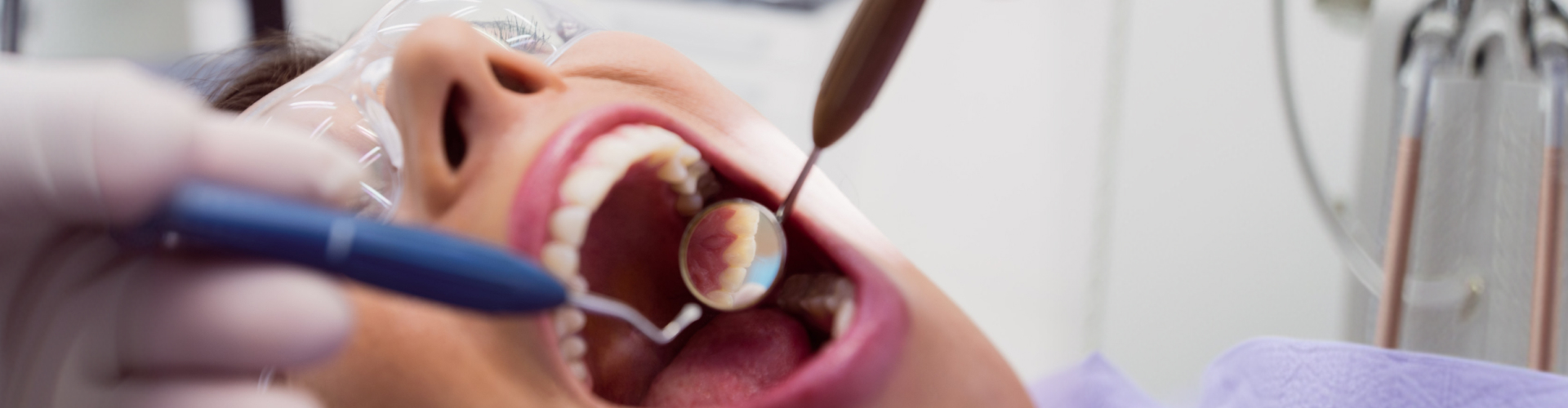
A painless cavity today can become a root canal or crown tomorrow. The window between early enamel decay and pulp involvement is shorter than most patients realize — and there's no reliable pain signal warning you when it closes.
One of the most common questions patients ask is whether a painless cavity can wait six months until their next cleaning. Sometimes, yes. Often, no. The answer depends entirely on where the decay is in its progression.
Early-stage cavities — called incipient caries — exist only in the outer enamel layer. At this stage, the decay can sometimes be slowed or even remineralized with fluoride. The NIDCR explains that enamel can repair itself using minerals from saliva and fluoride from toothpaste, making early intervention or careful monitoring legitimate options.
Once decay crosses into the dentin, everything changes. Dentin is significantly softer than enamel, meaning bacteria spread faster and deeper. A cavity that sits quietly in enamel in June can reach the pulp — the nerve-containing center of the tooth — by December. At that point, a simple filling is no longer enough, and an endodontic root canal followed by a crown becomes necessary.
There's no reliable pain signal that tells you when this threshold has been crossed. Many patients feel nothing until the pulp is already involved. That's why your dentist's recommendation to treat now — even when you have zero discomfort — is clinically grounded, not a sales pitch.
Scheduling a cleaning and exam is the best way to catch cavities early, before decay advances.
If your dentist finds several cavities at once, a thoughtful treatment sequence matters.
A smarter approach: work with your dental team to prioritize the deepest cavities first, since those carry the highest risk of advancing to root canal territory. Shallower, stable cavities can sometimes be safely scheduled later — provided your dentist agrees the lower-priority teeth can wait without progressing.
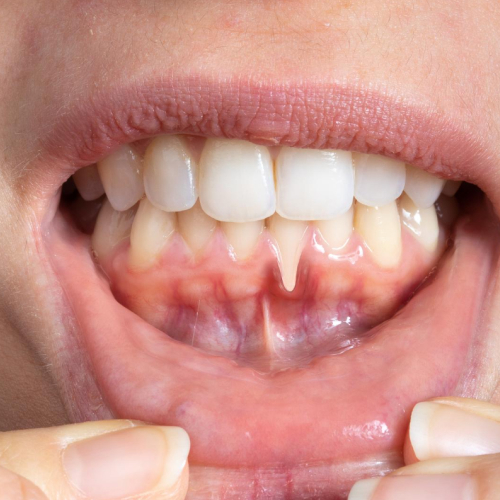
Healthline's overview of tooth restoration notes that the type and scope of dental damage determines which procedures you need — meaning catching cavities early keeps you in the less invasive treatment categories. In some cases, untreated decay can also progress to gum disease and gingivitis, adding further complexity to your care.
Filling material affects long-term durability:
Composite resin is used in roughly 72% of dental restorations, as WebMD notes in its dental bonding overview. WebMD's guide to dental fillings notes that gold fillings can last at least 10–15 years and withstand significant chewing forces.
A simple filling appointment typically takes under an hour. Most single-surface cavity fillings are completed in one visit, while gold or porcelain options generally require two. The procedure itself is straightforward: your dentist numbs the area, removes decayed tissue, and places the filling material in layers — each cured with a special light before the next is applied.
When decay is too extensive for a filling alone, a tooth crown may be required to fully restore the tooth's structure and function. And in the most severe cases where a tooth cannot be saved, a tooth extraction may become necessary — underscoring why timely treatment matters.
The most important variable isn't the material you choose. It's how long you wait.
If you've been putting off a filling, Dental Specialists of Riverside is here to help. Our team serves patients throughout Riverside and the broader Inland Empire, including Corona. Contact us today to schedule your appointment.
Medical disclaimer: This article is intended for general informational purposes only and does not constitute professional dental or medical advice. Always consult a licensed dental provider for diagnosis and treatment recommendations specific to your situation.
Fresh news from the dental world


Mon, Tues, Thur 9AM - 6PM
Weds 10AM - 7PM
Friday 8AM - 5PM
Sat & Sun Closed
Check out what our patients are saying in Riverside...


“What a Difference...”
“My wife and I recently decided to try teeth whitening here. Wow! What a difference. Thank you!”

“So Comfortable...”
"I have been coming here for years and I love this place. I feel so comfortable whenever I go into ortho. Everyone's really friendly! The ladies at the front desk are my favorite, they're always so helpful and always try their best to work around my schedule. Would definitely recommend!"

“Expert Care...”
“I have come a long way with all my dental issues. I’ve been able to take back control of my dental health because of the expert care I’ve received over the years at Dental Specialists of Riverside. I highly recommend this place because they won’t pressure you into stuff that you don’t need or that you are not ready for.”
..png)
“Never Disappointed...”
“I don’t have much time to waste, so I always get my whitening done by the good folks at Dental Specialists of Riverside. Never disappointed.”
“What a Difference...”
“My wife and I recently decided to try teeth whitening here. Wow! What a difference. Thank you!”
“So Comfortable...”
"I have been coming here for years and I love this place. I feel so comfortable whenever I go into ortho. Everyone's really friendly! The ladies at the front desk are my favorite, they're always so helpful and always try their best to work around my schedule. Would definitely recommend!"
Check out our accreditations, sources, and relationships in the wide world of dentistry...
..png)
..png)
..png)
Check us out and follow our Riverside, CA practice on social media...


..png)