Dental Veneers: How Many Visits, How Much Enamel, and What to Expect
Curious about dental veneers? Learn how many visits it takes, how much enamel is removed, and what to expect. Schedule your consultation in Riverside today!
Read More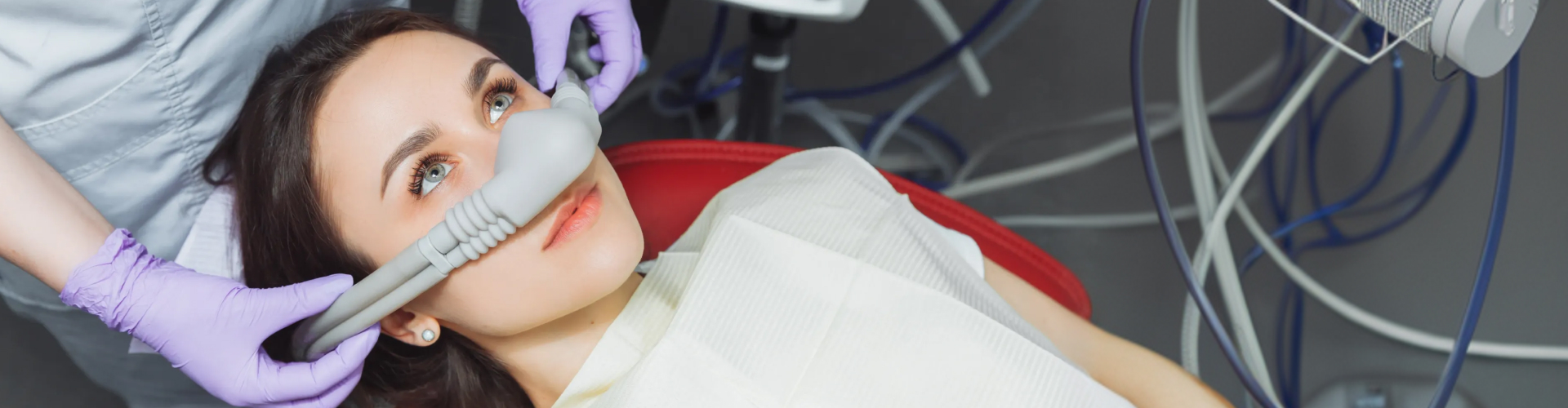
Triazolam (brand name Halcion) is a short-acting benzodiazepine that produces moderate oral sedation — meaning you stay conscious and responsive but your brain stops recording memories shortly after the medication takes effect. It's one of several sedation options used in dentistry, and understanding how it works helps you prepare for your appointment with realistic expectations.
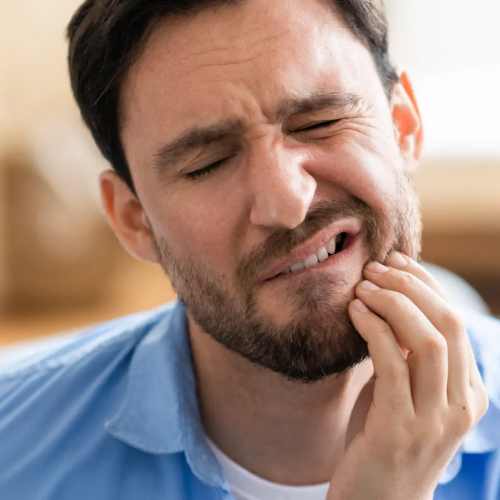
Most patients assume "conscious" means "traumatized." They picture lying in the chair, fully aware of every sound, smell, and sensation while being unable to escape. That fear is exactly why so many people avoid the dentist for years.
For Riverside-area patients, here's what actually happens with triazolam: the drug produces a well-documented phenomenon called anterograde amnesia. Your brain stops forming new memories shortly after ingestion — even though you remain awake and responsive to your dentist's instructions. A 90-minute extraction doesn't disappear from time, but it effectively disappears from your personal timeline. Patients frequently describe the experience as feeling like 10 minutes passed.
Research published in PMC confirms that triazolam produces potent amnesia alongside meaningful reductions in hemodynamic stress markers like elevated blood pressure and heart rate — both signs of anxiety response. Patients in triazolam groups also reported significantly higher satisfaction scores compared to those who received no premedication.
This amnesic window is not a side effect to fear. For dental procedures many patients consider aversive, it's the primary therapeutic benefit. You cooperate fully during the appointment. You simply don't carry the memory of it afterward.
One important nuance: the amnesia effect means you should not attempt to evaluate how your appointment went immediately after discharge. Your recollection will be incomplete by design.
Triazolam sits in the moderate oral sedation category. It does not render you unconscious — that's general anesthesia, a distinctly different clinical pathway. Instead, triazolam produces a somnolent, deeply relaxed state where you can still respond to verbal prompts and maintain your own airway.
According to WebMD's drug overview, the most common effects include drowsiness, dizziness, and reduced coordination — all dose-dependent and typically resolving within a few hours for standard dental dosing of 0.125 to 0.25 mg.
What makes triazolam particularly suited to dentistry is its pharmacokinetic profile. Peak plasma levels occur within approximately one to two hours of oral administration, and its half-life ranges from 1.5 to 5.5 hours. That window aligns well with most single-session dental procedures. The DailyMed prescribing information also notes that triazolam produces minimal cardiovascular and respiratory depression at recommended doses — an important safety consideration for outpatient dental settings.
One critical preparation detail that most standard "side effects" lists omit: triazolam is metabolized by the liver enzyme CYP3A4. Several common substances interfere with this pathway. Grapefruit juice is the most frequently overlooked — it inhibits CYP3A4, which can dramatically increase triazolam concentrations in your bloodstream. St. John's Wort, certain herbal teas, and some antifungal medications carry similar risks. Oral triazolam sedation research in implant dentistry specifically identifies ketoconazole, itraconazole, macrolide antibiotics, and some protease inhibitors as contraindicated alongside triazolam. Avoid grapefruit products and review all supplements with your provider at least 72 hours before your appointment.
Triazolam is one option within a broader range of sedation approaches used in dental settings. Understanding the landscape helps you have a more informed conversation with your provider.
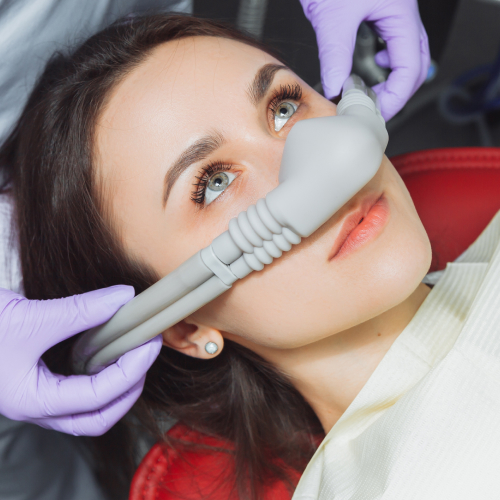
Nitrous oxide (inhalation sedation): The lightest option — minimal sedation that wears off within minutes after the mask is removed. Suitable for mild anxiety and shorter procedures.
Oral benzodiazepines (including triazolam): Moderate sedation taken by pill or tablet before the appointment. Triazolam and similar agents are appropriate for patients with moderate-to-significant anxiety, longer procedures, or those who want the amnesic benefit. Patients who need tooth extraction or other involved procedures often find this level of sedation particularly beneficial.
Intravenous sedation: Allows precise titration and faster onset. Midazolam is commonly administered this way for deeper moderate sedation in more complex cases.
General anesthesia: Full unconsciousness, typically reserved for extensive surgical procedures or patients with specific medical or behavioral needs.
The ADA's Mouth Healthy resource on anesthesia and sedation emphasizes that the appropriate approach depends on procedure type, overall health history, allergy profile, and anxiety level — a conversation that belongs between you and your dental provider before the appointment is scheduled.
Sedation is also commonly used to help patients get through procedures like endodontic root canal treatment, cavity fillings, or dental implants — procedures that can feel daunting without adequate anxiety management. Even routine cleaning and exam appointments can be made more comfortable for highly anxious patients through appropriate sedation planning.
Triazolam's relatively short half-life means the physical grogginess fades faster than many patients expect. You may feel clearheaded within a few hours. That feeling is misleading.
Executive function — your ability to evaluate risk, reason through decisions, and form reliable judgments — remains impaired well after the obvious sedation wears off. This is not unique to triazolam; it's a property of benzodiazepines as a class.
The practical rule: treat the 24 hours following your appointment as a protected window. Do not drive. Do not sign contracts, authorize financial transactions, or make significant purchases. Avoid posting to social media or sending important emails. You may feel capable of all of these things. The pharmacology suggests otherwise.
Arrange a trusted adult escort for discharge — not just for the drive home, but for the remainder of the day. This is standard protocol and exists for your protection, not as an inconvenience.
If dental anxiety has been keeping you from necessary care, triazolam sedation may be exactly the bridge you need. At Dental Specialists of Riverside, our team works with patients throughout Riverside and the Inland Empire to match sedation approaches to individual needs, medical histories, and procedure requirements. Whether you're facing a dental emergency or simply want to get back on track with your oral health, reach out to schedule a consultation and get straightforward answers about what to expect.
This article is for informational purposes only and does not constitute medical or dental advice. Triazolam is a prescription medication with specific contraindications and risks. Always consult a licensed dental or medical professional before making decisions about sedation or any other treatment.
Fresh news from the dental world


Mon, Tues, Thur 9AM - 6PM
Weds 10AM - 7PM
Friday 8AM - 5PM
Sat & Sun Closed
Check out what our patients are saying in Riverside...


“What a Difference...”
“My wife and I recently decided to try teeth whitening here. Wow! What a difference. Thank you!”

“So Comfortable...”
"I have been coming here for years and I love this place. I feel so comfortable whenever I go into ortho. Everyone's really friendly! The ladies at the front desk are my favorite, they're always so helpful and always try their best to work around my schedule. Would definitely recommend!"

“Expert Care...”
“I have come a long way with all my dental issues. I’ve been able to take back control of my dental health because of the expert care I’ve received over the years at Dental Specialists of Riverside. I highly recommend this place because they won’t pressure you into stuff that you don’t need or that you are not ready for.”
..png)
“Never Disappointed...”
“I don’t have much time to waste, so I always get my whitening done by the good folks at Dental Specialists of Riverside. Never disappointed.”
“What a Difference...”
“My wife and I recently decided to try teeth whitening here. Wow! What a difference. Thank you!”
“So Comfortable...”
"I have been coming here for years and I love this place. I feel so comfortable whenever I go into ortho. Everyone's really friendly! The ladies at the front desk are my favorite, they're always so helpful and always try their best to work around my schedule. Would definitely recommend!"
Check out our accreditations, sources, and relationships in the wide world of dentistry...
..png)
..png)
..png)
Check us out and follow our Riverside, CA practice on social media...


..png)