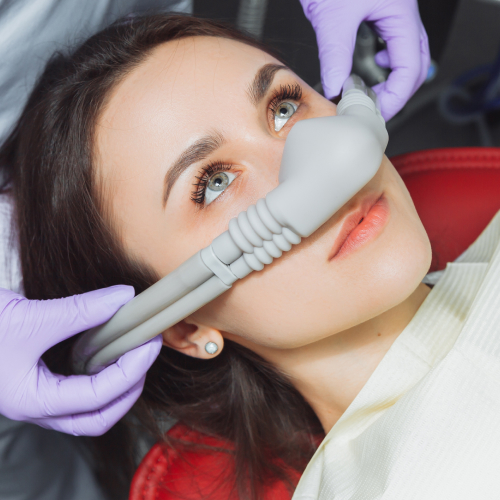
Triazolam (Halcion) in Sedation Dentistry: What You're Actually Experiencing
Curious about triazolam (Halcion) sedation dentistry? See what you'll actually feel, how long it lasts, side effects to expect, and recovery. Book a consult.
Read More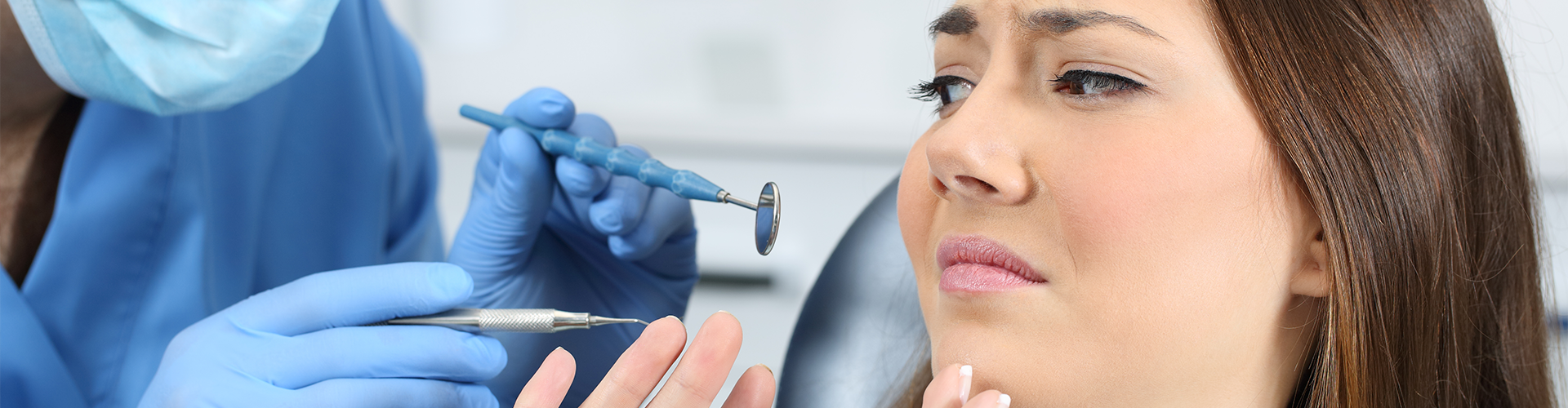
Many people feel anxious about visiting the dentist. This fear, often based on misconceptions, can prevent individuals from getting the dental care they need. Let's address some common concerns and demystify dental visits.
One of the most extreme fears that people have is the possibility of dying at the dentist. This fear, although intense, is largely unfounded. The reality is that the risk of death during a dental procedure is extremely low.
Dental professionals undergo extensive training not only in their specialized field but also in managing medical emergencies. They are well-prepared to handle unexpected situations with a high level of competence. Dental offices are equipped with essential safety tools such as emergency oxygen tanks, defibrillators, and advanced monitoring equipment to ensure patient safety.
Local anesthesia, commonly used to numb a specific area during dental procedures, is generally very safe. The chances of having a severe reaction to local anesthesia are minimal. Dentists are trained to administer these anesthetics properly and monitor patients for any signs of adverse reactions. In the rare event of an allergic reaction or other complications, dentists are prepared to provide immediate medical attention.
For patients with underlying health conditions, dentists take extra precautions to ensure safety. This includes conducting thorough medical histories, consulting with the patient’s primary care physician if necessary, and sometimes even having medical professionals present during the procedure. Such measures are particularly important for patients with heart conditions, respiratory issues, or other significant health concerns.
In addition to these precautions, modern dental practices follow stringent sterilization and infection control protocols to minimize any risks of infection or complications during and after the procedure. This commitment to maintaining a sterile and safe environment further reduces any potential risks associated with dental visits.
While the fear of dying at the dentist can be overwhelming, it is crucial to understand that dental procedures are designed with patient safety as the top priority. The combination of advanced training, state-of-the-art equipment, and strict safety protocols ensures that the risk remains exceedingly low. Taking care of your oral health through regular dental visits is essential, and understanding these safety measures can help alleviate fears and promote a healthier, more confident approach to dental care.
Yes, dentists can administer general anesthesia, but it's typically reserved for more complex procedures or patients with severe dental anxiety. General anesthesia puts you in a sleep-like state, ensuring you feel no pain during the procedure. It is usually administered by an anesthesiologist or a specially trained dentist. Before using general anesthesia, a thorough medical evaluation is conducted to ensure it's safe for you. This method allows patients to undergo necessary dental treatments without stress or fear.
Absolutely. Dentists can use sedation dentistry, including general anesthesia, to make tooth extractions as comfortable as possible. The goal of sedation dentistry is to provide a pain-free and stress-free experience for patients who may otherwise avoid necessary dental procedures due to fear or anxiety.
There are various levels of sedation available, tailored to meet the specific needs and anxiety levels of each patient:
Minimal Sedation: This is the lightest form of sedation. You remain awake but feel relaxed and calm. Minimal sedation can be achieved through inhalation (nitrous oxide, also known as laughing gas) or oral medications. It's suitable for patients with mild anxiety or for those undergoing less invasive procedures.
Moderate Sedation: Also known as "conscious sedation," this level leaves you awake but in a dream-like state. You may slur your words when speaking and not remember much of the procedure. Moderate sedation can be administered orally or intravenously (IV). It’s often used for patients with moderate dental anxiety or for procedures that are more complex.
Deep Sedation: In this state, you are on the edge of consciousness but can still be awakened if necessary. You will have little to no memory of the procedure. Deep sedation is typically administered intravenously and is appropriate for patients with significant anxiety or for lengthy dental procedures.
General Anesthesia: The deepest form of sedation, general anesthesia, puts you completely to sleep. Under general anesthesia, you will be unconscious and have no awareness or memory of the procedure. This method is administered by an anesthesiologist or a specially trained dentist. It’s particularly useful for extremely anxious patients, those who have a strong gag reflex, patients with special needs, or those requiring multiple procedures in one sitting.
Before deciding on the appropriate level of sedation, your dentist will conduct a thorough evaluation, including a review of your medical history, a discussion of your anxiety levels, and an assessment of the complexity of the procedure. This ensures that the chosen sedation method is both safe and effective for your specific situation.
For those who are fearful of dental procedures, knowing that sedation options are available can provide significant relief. Sedation dentistry not only alleviates pain but also helps to reduce anxiety, making it easier for patients to receive the dental care they need without undue stress.
In conclusion, if the thought of a tooth extraction makes you anxious, rest assured that sedation dentistry can help. From minimal sedation to general anesthesia, your dentist can provide a range of options to ensure that your experience is as comfortable and stress-free as possible. Don’t let fear stand in the way of your oral health. Speak with your dentist about sedation options and take the first step towards a healthier smile.
Understanding that dental procedures are safe and that dentists can manage pain and anxiety is crucial to overcoming your fear. Regular dental visits are essential for maintaining oral health, preventing diseases, and addressing issues before they become serious.
Our dental office is committed to providing a calm and reassuring environment. We offer various sedation options and personalized care plans to meet your individual needs. Don’t let fear stand in the way of your health. Take the first step towards a healthier smile today.
Schedule Your Appointment Today
Ready to overcome your fear of the dentist? Schedule an appointment with us today. Our compassionate team is here to ensure your dental experience is comfortable and stress-free. Your journey to a healthier smile starts here.
Fresh news from the dental world




Mon, Tues, Thur 9AM - 6PM
Weds 10AM - 7PM
Friday 8AM - 5PM
Sat & Sun Closed
Check out what our patients are saying in Riverside...


“What a Difference...”
“My wife and I recently decided to try teeth whitening here. Wow! What a difference. Thank you!”

“So Comfortable...”
"I have been coming here for years and I love this place. I feel so comfortable whenever I go into ortho. Everyone's really friendly! The ladies at the front desk are my favorite, they're always so helpful and always try their best to work around my schedule. Would definitely recommend!"

“Expert Care...”
“I have come a long way with all my dental issues. I’ve been able to take back control of my dental health because of the expert care I’ve received over the years at Dental Specialists of Riverside. I highly recommend this place because they won’t pressure you into stuff that you don’t need or that you are not ready for.”
..png)
“Never Disappointed...”
“I don’t have much time to waste, so I always get my whitening done by the good folks at Dental Specialists of Riverside. Never disappointed.”
“What a Difference...”
“My wife and I recently decided to try teeth whitening here. Wow! What a difference. Thank you!”
“So Comfortable...”
"I have been coming here for years and I love this place. I feel so comfortable whenever I go into ortho. Everyone's really friendly! The ladies at the front desk are my favorite, they're always so helpful and always try their best to work around my schedule. Would definitely recommend!"
Check out our accreditations, sources, and relationships in the wide world of dentistry...
..png)
..png)
..png)
Check us out and follow our Riverside, CA practice on social media...


..png)