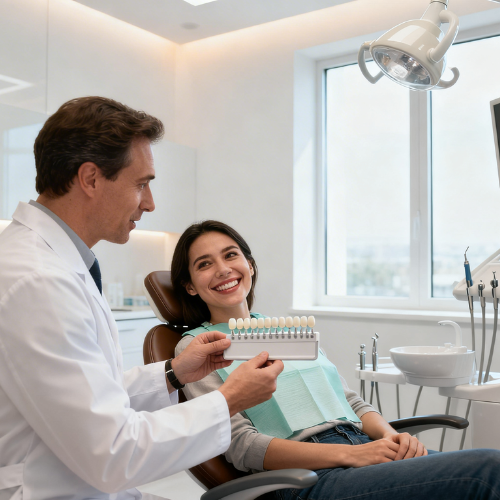
Do Veneers Stain Over Time? What You Should Know Before Getting One
Wondering if veneers stain over time? Dental Specialists of Riverside explains what causes discoloration and how to protect your smile in Riverside, CA.
Read More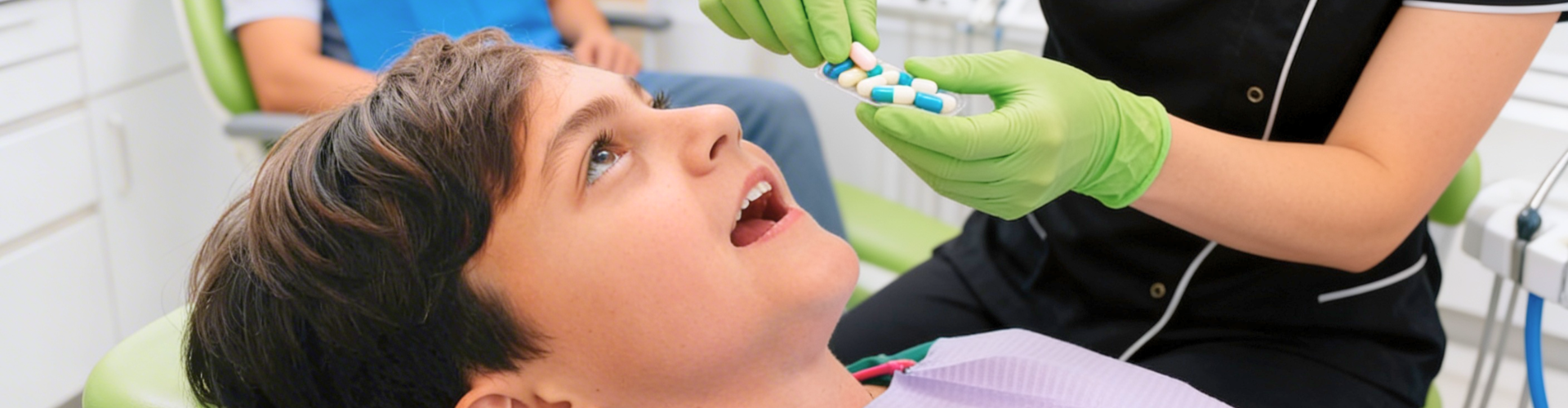
I've been practicing prosthodontics in Riverside for years, and honestly, one of the most common conversations I have with patients centers around anxiety. They're scared. They've had bad experiences or just hate the idea of being in the dental chair, and I get it—dental work can feel overwhelming.
That's where oral sedation dentistry comes in. It's a way to help you relax during procedures by taking medication beforehand, typically in pill form. You stay conscious and can respond to us, but you're calm, sometimes drowsy, and the whole experience feels...easier. Much easier.
Here in the Inland Empire, we see patients from Corona to Riverside who benefit from this approach. Maybe you need extensive restorative work, or perhaps just a cleaning makes you anxious. The point is, you don't have to white-knuckle through dental appointments anymore.
And look, I'm going to answer the big questions you're probably Googling right now: Is sedation dentistry dangerous? What does it actually feel like? Will you still feel pain? Let me walk you through all of this with the same honesty I'd give you sitting in my chair at our Riverside practice.
Here's the thing—no medical procedure is 100% risk-free. But when performed correctly, sedation dentistry is remarkably safe, and the key phrase there is "when performed correctly."
The American Dental Association and the American Academy of Pediatric Dentistry have established detailed guidelines that we follow religiously. These protocols cover everything from patient evaluation before we even consider sedation to continuous monitoring during the procedure to post-procedure recovery. We're talking about checking your medical history, current medications, vital signs—the works.
Now, the level of risk depends partly on the depth of sedation. Minimal sedation (like nitrous oxide) carries very little risk because you're awake and can self-ventilate without assistance. Moderate sedation, which is what most oral sedation provides, requires more monitoring but is still quite safe when guidelines are followed. Deep sedation and general anesthesia? Those require specially trained personnel, more equipment, and stricter protocols because the risks increase.
Actually, scratch that—it depends on your individual health status too. Someone with severe respiratory issues or certain heart conditions might not be a good candidate, which is exactly why we do that thorough pre-sedation evaluation.
I had a patient last month who was terrified about sedation safety because she'd read something online about a tragic outcome. And yes, those stories exist, but they're rare and almost always involve situations where protocols weren't followed—wrong doses, inadequate monitoring, or providers who weren't properly trained. When you choose a practice that adheres to ADA guidelines, has trained personnel, and uses appropriate monitoring equipment (pulse oximeters, blood pressure cuffs, etc.), the safety profile is excellent.
The biggest danger? Over-sedation from exceeding recommended doses. That's why we're meticulous about dosing based on your weight, age, and medical history. We don't guess. Bottom line? With proper protocols, sedation dentistry is safe for the vast majority of patients.
I get asked this constantly, and it's a fair question because the experience varies somewhat from person to person. But let me paint you a picture based on what hundreds of patients have told me.
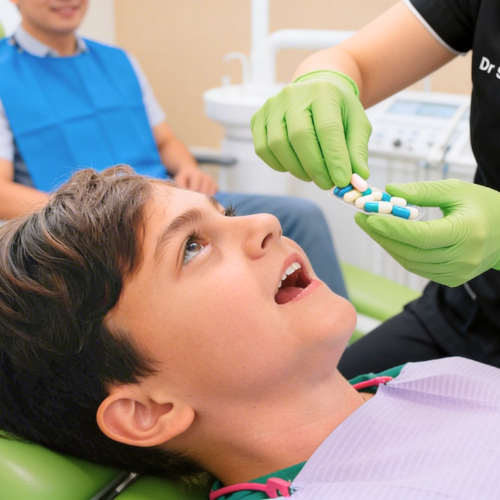
With oral sedation, you'll take medication—often something like midazolam—about an hour before your appointment. You should have someone drive you because you'll start feeling drowsy and relaxed on the way to our Riverside office. Not unconscious. Just...chill.
Once you're in the chair, most patients describe feeling like they're in a dreamlike state, according to research on conscious sedation. You're aware of what's happening around you, can hear us talking, and you'll respond when we ask you to open wider or turn your head. But you won't care much. The anxiety that normally grips you? Gone. That hyper-awareness of every sound and sensation? Dulled significantly.
Here's what patients say: "It felt like time passed in five minutes, but it was an hour," or "I remember bits and pieces, but it's all fuzzy," or my personal favorite, "I was awake but also kind of...not really there?"
And honestly, that's the goal. We want you conscious enough to cooperate and maintain your own breathing and reflexes, but relaxed enough that the procedure doesn't stress you out. You'll likely feel heavy, like sinking into the chair. Your limbs might feel like they weigh a ton. Some people get a bit giggly (which, fair enough, can be entertaining for everyone).
The thing is, oral sedation also has amnesic properties, meaning you might not remember much of the procedure afterward. I'm not 100% sure why some patients remember more than others, but my theory is it relates to individual metabolism and the specific dose we use.
You won't feel "out of control" in a scary way—at least in my experience. More like you're comfortably detached from what's happening. Recovery takes a few hours, so plan to rest at home afterward.
Look, this is where I need to be crystal clear because there's some confusion about what sedation does versus what local anesthesia does. They're not the same thing.
Oral sedation is primarily anxiolytic—it reduces anxiety and fear. It also has some analgesic properties, meaning it can dull pain perception, but it doesn't eliminate pain the way local anesthesia does. That's why we combine sedation with local anesthetics like lidocaine. The sedation calms you down, the local anesthetic numbs the specific area we're working on.
So do you feel pain? Not really, no. But that's because we're using both tools together.
If we only gave you oral sedation without local anesthetic, you'd be relaxed but still feel the drill or scalpel—and that would be terrible practice. The guidelines from the American Society of Anesthesiologists and the ADA emphasize combining sedatives with analgesics for this exact reason. The sedation reduces your anxiety about the pain, and the local anesthetic actually blocks the pain signals.
That said, you might feel some pressure or pushing during the procedure. That's normal. Pressure isn't pain, though it can be weird. Most patients don't care because they're so relaxed from the sedation.
I had a patient a few weeks ago who was worried she'd feel everything. She'd had a bad experience elsewhere where the numbing didn't work well. We used oral sedation plus careful local anesthetic administration, and she told me afterward she felt "nothing unpleasant"—just some vague awareness that we were working, but no discomfort.
Here's my slightly controversial opinion: some dentists rely too heavily on sedation and don't use enough local anesthetic, which is backward. Sedation manages your emotional response; local anesthetic manages the actual pain. You need both.
And honestly, effectiveness depends on proper dosing and patient selection. If you metabolize medications quickly or have high tolerance, we might need to adjust. But for most people? The combination works beautifully, and you'll leave with minimal to no memory of discomfort.
At Dental Specialists of Riverside, we believe you shouldn't have to dread dental appointments. Whether you need complex prosthodontic work or routine care, oral sedation can transform your experience from stressful to comfortable.
Dr. Hawkins and I have extensive training in sedation protocols, and we follow ADA guidelines to the letter. We'll evaluate your medical history, discuss your options, monitor you continuously during your procedure, and make sure you recover safely.
Don't let anxiety keep you from the dental care you need. Patients throughout the Inland Empire trust us for safe, effective sedation dentistry.
Give us a call today to schedule a consultation. We'll answer all your questions, address your concerns, and create a treatment plan that works for you. You deserve dental care that doesn't leave you anxious or uncomfortable—and we're here to provide exactly that.
Medical Disclaimer: This content is for informational purposes only and does not replace professional medical advice, diagnosis, or treatment. Always consult with a qualified healthcare provider.
Fresh news from the dental world




Mon, Tues, Thur 9AM - 6PM
Weds 10AM - 7PM
Friday 8AM - 5PM
Sat & Sun Closed
Check out what our patients are saying in Riverside...


“What a Difference...”
“My wife and I recently decided to try teeth whitening here. Wow! What a difference. Thank you!”

“So Comfortable...”
"I have been coming here for years and I love this place. I feel so comfortable whenever I go into ortho. Everyone's really friendly! The ladies at the front desk are my favorite, they're always so helpful and always try their best to work around my schedule. Would definitely recommend!"

“Expert Care...”
“I have come a long way with all my dental issues. I’ve been able to take back control of my dental health because of the expert care I’ve received over the years at Dental Specialists of Riverside. I highly recommend this place because they won’t pressure you into stuff that you don’t need or that you are not ready for.”
..png)
“Never Disappointed...”
“I don’t have much time to waste, so I always get my whitening done by the good folks at Dental Specialists of Riverside. Never disappointed.”
“What a Difference...”
“My wife and I recently decided to try teeth whitening here. Wow! What a difference. Thank you!”
“So Comfortable...”
"I have been coming here for years and I love this place. I feel so comfortable whenever I go into ortho. Everyone's really friendly! The ladies at the front desk are my favorite, they're always so helpful and always try their best to work around my schedule. Would definitely recommend!"
Check out our accreditations, sources, and relationships in the wide world of dentistry...
..png)
..png)
..png)
Check us out and follow our Riverside, CA practice on social media...


..png)