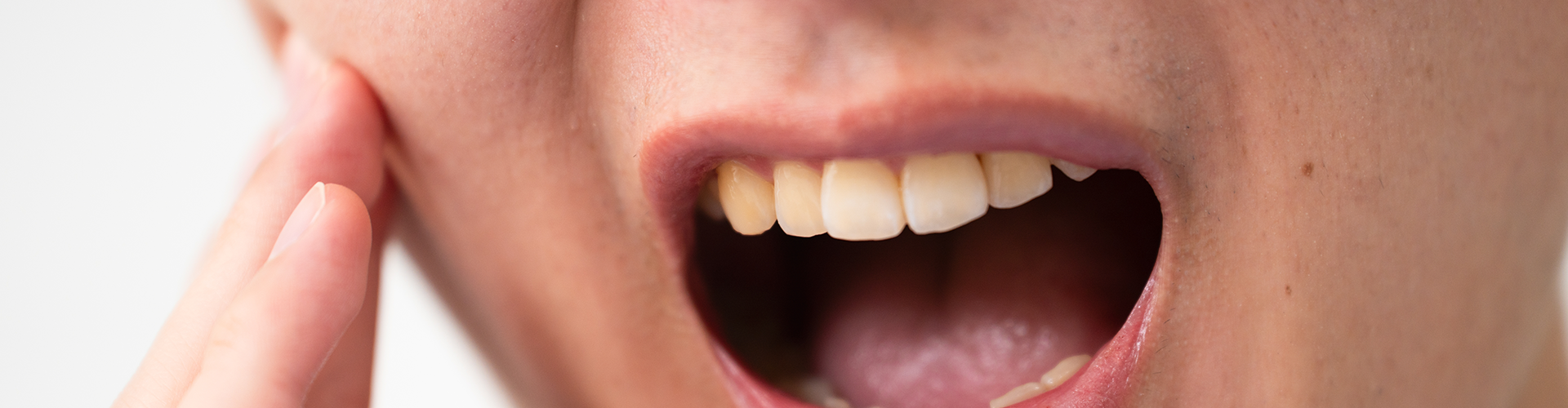
We've all been there—it's the middle of the night, and a nagging toothache just won't let you sleep. Tooth pain can be more than just an inconvenience; it can disrupt your daily life and signal underlying dental issues that need attention. At Dental Specialists of Riverside, we're here to help you understand your tooth pain and find the relief you need.
Can a Toothache Go Away on Its Own?
It's tempting to ignore a toothache and hope it resolves itself, especially if it comes and goes. But can a toothache truly go away on its own?
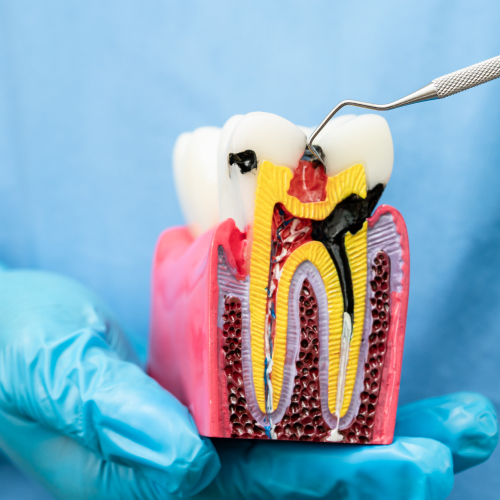
In some rare cases, mild tooth pain caused by temporary gum irritation might subside without intervention. However, most toothaches are a sign of an underlying issue, such as tooth decay, a cracked tooth, or an infection. Ignoring these symptoms can lead to more severe problems down the line, including abscesses or even tooth loss.
If you're experiencing persistent or severe tooth pain, it's essential to consult a dentist. Early diagnosis and treatment can prevent complications and preserve your oral health.
How Can I Numb My Tooth Pain?
Dealing with a toothache can be both painful and frustrating, prompting you to seek immediate relief. While it's essential to address the underlying cause with professional dental care, several effective methods can help numb your tooth pain temporarily:
- Over-the-Counter Pain Relievers: Taking medications like ibuprofen or acetaminophen can help reduce the pain and inflammation associated with a toothache. These remedies provide temporary comfort, making it easier to manage daily activities until you can see a dentist.
- Topical Anesthetics: Applying gels or liquids that contain benzocaine directly to the affected area can offer quick numbness. These products are designed to provide localized relief, helping to soothe the pain in the specific spot where you're experiencing discomfort.
- Cold Compress: Placing an ice pack or a bag of frozen vegetables wrapped in a cloth on the outside of your cheek near the painful tooth can help reduce both pain and swelling. The cold temperature numbs the nerves, providing a soothing effect that can make the ache more bearable.
- Saltwater Rinse: Gargling with a mixture of warm water and salt can help cleanse your mouth, reduce bacteria, and alleviate gum irritation. This simple remedy not only provides temporary pain relief but also supports overall oral hygiene.
- Clove Oil: Known for its natural analgesic properties, clove oil can be applied directly to the painful tooth using a cotton ball. The active ingredient, eugenol, helps numb the area and has antibacterial effects that may reduce infection risks.
- Hydrogen Peroxide Rinse: A diluted hydrogen peroxide solution can help kill bacteria and reduce inflammation in your mouth. Swishing this mixture around your mouth for about 30 seconds can provide both pain relief and antibacterial benefits.
- Elevate Your Head: Keeping your head elevated, especially while lying down, can decrease blood flow to the affected area, thereby reducing the intensity of the pain. Using an extra pillow to prop yourself up can make a significant difference in managing discomfort.
- Avoid Certain Foods and Beverages: Steering clear of extremely hot, cold, sugary, or hard foods can prevent further irritation of the painful tooth. Opting for softer, room-temperature foods can help minimize additional discomfort while you seek treatment.
- Maintain Good Oral Hygiene: Gently brushing and flossing can help keep the painful area clean, removing any trapped food particles that might exacerbate the pain. Using an antibacterial mouthwash can further reduce bacteria levels, supporting the healing process.
While these methods can offer temporary relief from tooth pain, it's important to remember that they do not address the root cause of the discomfort. Persistent or severe toothaches often indicate underlying issues such as tooth decay, gum disease, or an infection that require professional dental treatment. Ignoring these symptoms can lead to more serious complications, including abscesses or tooth loss.
What Is the Best Painkiller for Toothache?
When it comes to toothache relief, not all painkillers are created equal. Over-the-counter options are typically the first line of defense:
- Ibuprofen (Advil, Motrin): An anti-inflammatory that can reduce pain and swelling.
- Acetaminophen (Tylenol): Effective for pain relief but doesn't reduce inflammation.
- Aspirin: Can alleviate pain but isn't recommended for children or teens due to the risk of Reye's syndrome.
For severe pain, your dentist might prescribe stronger medication. It's important to use painkillers as directed and consult a healthcare professional if you're unsure which option is best for you.
When Should I See a Dentist for Tooth Pain?
Knowing when to seek professional dental care can greatly influence your oral health and overall well-being. Here are some key signs that it's time to schedule an appointment:
- Persistent Pain: If your toothache lasts longer than a day or two without any signs of improvement, it's crucial to consult a dentist. Persistent pain often indicates an underlying issue that needs to be addressed to prevent further complications.
- Severe Discomfort: Intense or sharp pain in your tooth may suggest a serious dental problem such as a cracked tooth, abscess, or advanced decay. Severe discomfort should not be ignored, as it typically requires immediate attention to alleviate the pain and treat the root cause.
- Signs of Infection: Symptoms like swelling around the gums or face, fever, or a bad taste in your mouth can be indicators of an infection. Infections can spread quickly and lead to more serious health issues, so prompt dental care is essential to manage and resolve the infection effectively.
- Increased Sensitivity: Experiencing prolonged sensitivity to hot or cold foods and beverages might be a sign of tooth decay, enamel erosion, or other dental conditions. If sensitivity persists despite using over-the-counter remedies, it's important to have it evaluated by a dental professional.
- Difficulty Eating or Sleeping: Tooth pain that interferes with your ability to eat, speak, or sleep can significantly impact your quality of life. If you're finding it hard to perform daily activities due to tooth discomfort, it's time to seek professional help to restore your comfort and functionality.
- Visible Changes in Your Mouth: Any noticeable changes such as discoloration of a tooth, swelling of the gums, or the presence of sores should be assessed by a dentist. These changes can be signs of various dental issues that need timely intervention.
At Dental Specialists of Riverside, we prioritize your comfort and health above all. Our dedicated team is equipped with the expertise and advanced technology to accurately diagnose the cause of your tooth pain and provide personalized treatment options tailored to your needs. Whether you're dealing with a minor issue or a more complex dental problem, we're here to help you achieve lasting relief and maintain a healthy, beautiful smile.
Don't Let Tooth Pain Control Your Life
Toothaches can be disruptive, but you don't have to face them alone. Taking proactive steps can alleviate your discomfort and prevent future dental issues.
Ready to find relief? Schedule an appointment with Dental Specialists of Riverside today, and let us help you get back to smiling without pain.







..png)
..png)
..png)
..png)


..png)