
Dental Emergency? What to Do in the Next 60 Minutes
Have a dental emergency? Learn exactly what to do and when to seek care in the first 60 minutes. Contact Dental Specialists of Riverside for urgent help today!
Read More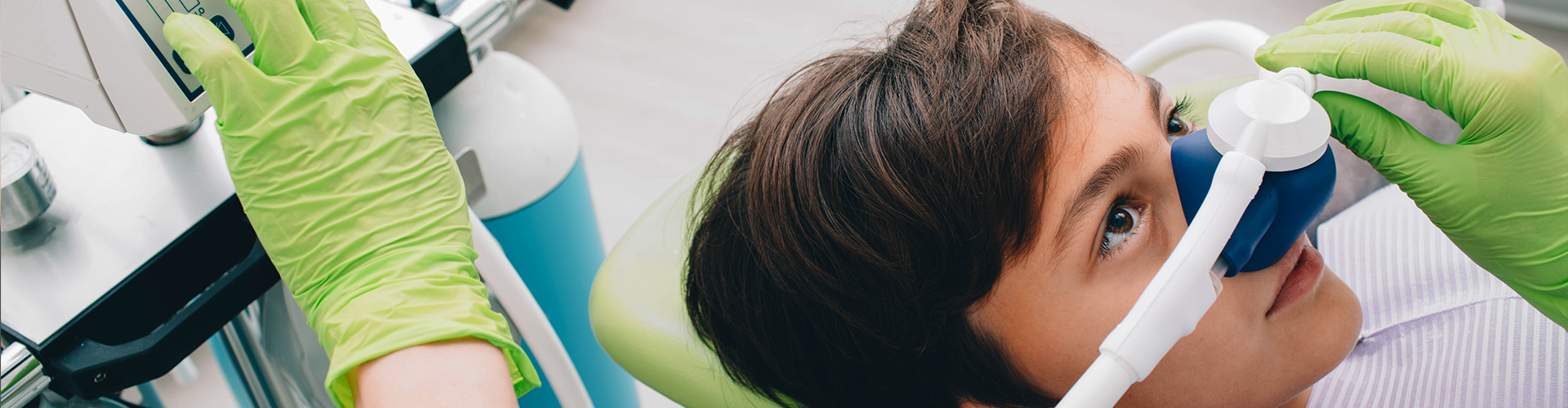
Every patient deserves a stress-free, comfortable dental experience. But for individuals with special needs, going to the dentist can feel overwhelming or even impossible. Whether it’s due to sensory sensitivities, medical conditions, or severe anxiety, many patients face barriers that prevent them from getting the care they need.
At Dental Specialists of Riverside, we understand that one-size-fits-all doesn’t work, especially when it comes to dentistry. That’s where sedation dentistry comes in. It’s not about “putting someone to sleep.” It’s about creating an environment where patients feel safe, at ease, and in control, regardless of their unique challenges.
Let’s talk about how we make that happen, and why it matters.
Not every patient needs the same kind of sedation, and not every type is appropriate for every condition. That’s why we offer a variety of options and always tailor our approach to each individual. Here are the most commonly used types:
1. Nitrous Oxide (Laughing Gas): This is a light, inhaled sedative that helps reduce anxiety without putting the patient to sleep. It kicks in quickly, wears off just as fast, and allows patients to remain awake and responsive. It’s ideal for patients who need a little help staying calm but are still able to cooperate.
2. Oral Sedation: For patients who need more than just a little calming, oral sedation, usually in pill form, can be very effective. It can range from mild to moderate sedation depending on the dosage. Patients remain conscious but often feel sleepy or relaxed enough that they don’t remember much of the appointment.
3. IV Sedation: This is a deeper level of sedation, administered intravenously by a trained professional. It works quickly and can be adjusted throughout the procedure. IV sedation is a great option for patients with higher levels of anxiety, difficulty remaining still, or more complex dental needs.
4. General Anesthesia: In some cases, general anesthesia—where the patient is fully asleep—is the safest and most effective option. This is typically reserved for individuals with severe behavioral challenges, medical complications, or those undergoing extensive treatment. It’s always administered by a licensed anesthesiologist in a controlled setting.
Our team works closely with caregivers and medical providers to choose the best and safest option for each patient. We never take a cookie-cutter approach.
For many special needs patients, the idea of sitting in a dental chair—bright lights overhead, tools in their mouth, unfamiliar sounds all around—can trigger extreme fear or discomfort. And for caregivers, the stress of trying to manage a meltdown or physical resistance in a dental office can be just as daunting.
Sedation changes that dynamic.
Here’s why it matters:
1. It builds trust and consistency. When patients have a positive experience—even if they don’t remember the details—it sets the stage for smoother future visits. Instead of associating the dentist with fear or trauma, they begin to view it as something manageable and safe.
2. It makes care possible that would otherwise be avoided. Some patients physically cannot tolerate dental care without sedation. Whether due to neurological conditions, developmental delays, or extreme anxiety, basic procedures like cleanings or X-rays can be impossible without assistance. Sedation makes it possible to complete necessary treatments with minimal distress.
3. It reduces risk for everyone. Struggling or resisting during treatment can lead to injury, not just for the patient, but also for the dental team. Sedation allows us to work efficiently, precisely, and safely.
4. It improves oral and overall health. Dental care is about more than just teeth. Untreated infections, decay, or gum disease can impact heart health, blood sugar levels, and even cause chronic pain. Sedation helps patients get the preventive and restorative care they need to live healthier lives.
Ultimately, sedation dentistry is about dignity. It says: “You deserve quality care, just like anyone else—and we’ll do whatever it takes to make that happen.”
It’s a fair question—and an important one. The short answer is: Yes, sedation dentistry is safe when done properly. But let’s unpack that a bit more.
1. Pre-treatment planning is key. Before any sedation is administered, we conduct a thorough health assessment. That includes reviewing medical history, current medications, allergies, and any behavioral or mobility considerations. If the patient has a medical team (such as a primary physician or neurologist), we often consult with them to ensure we’re taking the safest approach possible.
2. We match the sedation type to the patient’s needs. Not all sedation options are suitable for every patient. For example, nitrous oxide is avoided in some patients with respiratory conditions. Oral sedatives might interact with existing medications. That’s why we personalize every sedation plan and always choose the least invasive option that will still be effective.
3. We monitor closely throughout the procedure. Vital signs are continuously monitored, heart rate, oxygen levels, blood pressure, by trained professionals throughout the entire appointment. If deeper sedation or general anesthesia is used, a licensed anesthesiologist is present to oversee everything from start to finish.
4. We prepare caregivers and patients for aftercare. After sedation, patients might feel groggy or disoriented for a few hours. We provide clear instructions to caregivers on how to manage recovery, what to watch for, and when to resume regular activities. Our team also checks in after the appointment to make sure everything went smoothly.
We’ve seen firsthand how transformative sedation can be for special needs patients—and how peace of mind for caregivers is just as valuable.
If you’re a parent, guardian, or caregiver, you may have struggled to find a dental team that “gets it.” You want someone who understands the complexity of your loved one’s needs and won’t rush the process or dismiss your concerns.
Here’s what you can expect at Dental Specialists of Riverside:
Whether your loved one has autism, Down syndrome, cerebral palsy, a genetic condition, severe anxiety, or a combination of challenges, we’re here to help make dental care possible and positive.
You’re not alone.
Every year, countless families avoid the dentist because they think there are no good options. But sedation dentistry opens the door to compassionate, tailored care, where comfort and safety come first.
If you’ve been searching for a dental home that meets your needs or your loved one’s needs, we’d love to meet you. Let’s talk about how we can help.
Schedule an appointment with Dental Specialists of Riverside today. We’ll meet you where you are and take it from there.
Fresh news from the dental world



Mon, Tues, Thur 9AM - 6PM
Weds 10AM - 7PM
Friday 8AM - 5PM
Sat & Sun Closed
Check out what our patients are saying in Riverside...


“What a Difference...”
“My wife and I recently decided to try teeth whitening here. Wow! What a difference. Thank you!”

“So Comfortable...”
"I have been coming here for years and I love this place. I feel so comfortable whenever I go into ortho. Everyone's really friendly! The ladies at the front desk are my favorite, they're always so helpful and always try their best to work around my schedule. Would definitely recommend!"

“Expert Care...”
“I have come a long way with all my dental issues. I’ve been able to take back control of my dental health because of the expert care I’ve received over the years at Dental Specialists of Riverside. I highly recommend this place because they won’t pressure you into stuff that you don’t need or that you are not ready for.”
..png)
“Never Disappointed...”
“I don’t have much time to waste, so I always get my whitening done by the good folks at Dental Specialists of Riverside. Never disappointed.”
“What a Difference...”
“My wife and I recently decided to try teeth whitening here. Wow! What a difference. Thank you!”
“So Comfortable...”
"I have been coming here for years and I love this place. I feel so comfortable whenever I go into ortho. Everyone's really friendly! The ladies at the front desk are my favorite, they're always so helpful and always try their best to work around my schedule. Would definitely recommend!"
Check out our accreditations, sources, and relationships in the wide world of dentistry...
..png)
..png)
..png)
Check us out and follow our Riverside, CA practice on social media...


..png)