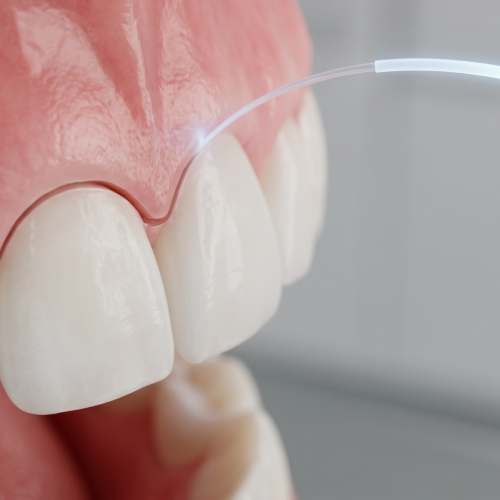
Gum Contouring Recovery: What to Expect From Procedure to Healed
Wondering about gum contouring recovery? Learn what to expect from day one to fully healed. Read our guide and schedule your consultation in Riverside today!
Read More
Temporomandibular joint (TMJ) disorders can be incredibly painful and disruptive, affecting your ability to chew, speak, and even sleep. If you suspect you have a TMJ disorder, understanding what kind of specialist to see and what treatments are available can be crucial for effective relief. This guide will help you navigate the complexities of TMJ treatment and find the best doctor for your needs.
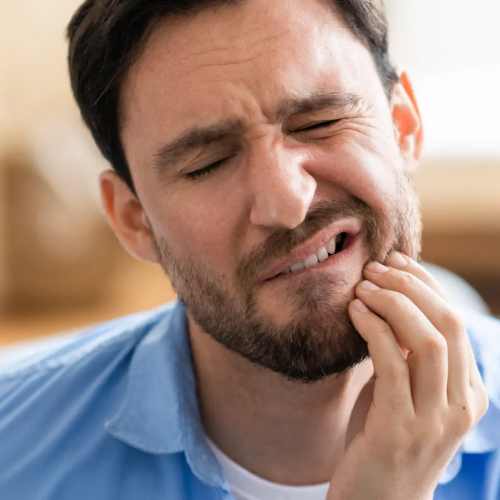
TMJ disorders often blur the lines between medical and dental conditions. This joint, connecting your jawbone to your skull, is integral to both oral and overall health. TMJ disorders can stem from various issues such as arthritis, jaw injuries, or teeth grinding. Symptoms often include jaw pain, headaches, earaches, and clicking or popping sounds when you move your jaw. Because these symptoms can overlap with both dental and medical issues, treatment approaches can vary widely, sometimes requiring a collaborative effort between different types of healthcare providers.
There isn't a one-size-fits-all cure for TMJ disorders, as the best treatment depends on the underlying cause and the severity of the symptoms. Here are some common and effective treatments that might be recommended:
Medications: Over-the-counter pain relievers, such as ibuprofen or acetaminophen, can help manage mild to moderate pain. Anti-inflammatory medications can reduce swelling and inflammation in the jaw area. In some cases, doctors may prescribe muscle relaxants to relieve muscle tension and spasms, or even anti-anxiety medications if stress is a contributing factor to teeth grinding or clenching.
Physical Therapy: Physical therapy can be incredibly beneficial for TMJ sufferers. Therapists may employ exercises designed to strengthen jaw muscles, improve range of motion, and reduce pain. Techniques like ultrasound therapy, moist heat, or ice applications can also be used to alleviate discomfort and inflammation. Consistent physical therapy can lead to significant improvements over time.
Dental Splints: Also known as occlusal splints, these custom-made devices fit over the upper or lower teeth. They are designed to reduce teeth grinding and clenching, which can alleviate pressure on the TMJ. Splints can also help correct bite misalignments and promote better jaw positioning, contributing to overall relief from TMJ symptoms.
Lifestyle Changes: Adopting certain lifestyle changes can significantly impact the management of TMJ disorders. Stress management techniques, such as mindfulness, meditation, or yoga, can help reduce the tendency to clench the jaw. Dietary adjustments, like opting for softer foods that require less chewing, can prevent additional strain on the jaw. Simple habits, such as avoiding gum chewing, nail biting, or leaning on the chin, can also contribute to symptom relief.
Surgery: In severe and persistent cases where other treatments have failed, surgical interventions might be considered. Surgical options can range from minimally invasive procedures like arthrocentesis (flushing out the joint) or arthroscopy (using a camera and instruments to treat joint issues), to more complex open-joint surgery. Surgery is typically viewed as a last resort due to the inherent risks and the invasive nature of the procedures.
In addition to these treatments, other options such as acupuncture, chiropractic care, and biofeedback might be explored. Consulting with a specialist, such as a dentist with experience in TMJ disorders, an oral surgeon, or a physical therapist, is crucial for determining the most appropriate and effective treatment plan for your specific situation. A multidisciplinary approach often yields the best results, ensuring comprehensive care that addresses all facets of the disorder.
Finding the right doctor for TMJ disorders can be challenging due to the overlap of medical and dental expertise required. Here are some specialists who commonly treat TMJ disorders:
Dentists: Many general dentists have experience with TMJ disorders and can provide initial assessments and treatments, such as custom mouthguards and advice on managing symptoms. They are often the first point of contact for patients experiencing jaw pain, and they can help rule out dental issues as the primary cause. If the condition is more complex, they can refer you to a specialist.
Oral and Maxillofacial Surgeons: These specialists handle more complex cases of TMJ disorders, especially when surgical intervention is required. They are trained in surgical procedures involving the mouth, jaws, and face, making them well-equipped to address severe TMJ issues. Procedures they might perform include arthroscopy, arthrocentesis, or open-joint surgery.
Orthodontists: If misalignment of the teeth or jaw contributes to your TMJ disorder, an orthodontist can help correct these issues. They use braces, aligners, and other orthodontic devices to gradually adjust the alignment of your teeth and jaw, which can alleviate TMJ symptoms caused by bite issues.
Rheumatologists: For TMJ disorders caused by arthritis, a rheumatologist may be involved in your care. These doctors specialize in autoimmune and inflammatory diseases that can affect joints, including the TMJ. They can prescribe medications and recommend treatments to manage the underlying arthritis that might be causing TMJ symptoms.
Physical Therapists: Specializing in jaw exercises and therapies to improve mobility and reduce pain, physical therapists can be a valuable part of your TMJ treatment team. They can teach you specific exercises to strengthen jaw muscles, improve joint function, and reduce discomfort. Techniques such as manual therapy, ultrasound, and heat/cold treatments might also be used.
Otolaryngologists (ENTs): Ear, nose, and throat specialists can be involved in the diagnosis and treatment of TMJ disorders, particularly when symptoms overlap with ear pain or dysfunction. They can help rule out ear infections or other ENT-related issues that might mimic or contribute to TMJ symptoms.
Chiropractors: Some chiropractors have training in treating TMJ disorders and can offer adjustments and manual therapies to improve jaw alignment and relieve muscle tension. They focus on the musculoskeletal system and can provide complementary treatments to traditional medical approaches.
Choosing a provider with experience and training in TMJ disorders is crucial. Your primary care physician or dentist can often refer you to the appropriate specialist based on your specific symptoms and needs. It's important to find a doctor who understands the complexities of TMJ and can offer a comprehensive treatment plan tailored to your condition. Collaborating with a multidisciplinary team often yields the best results, ensuring that all aspects of your TMJ disorder are addressed for effective relief.
Dealing with TMJ disorders can be challenging, but finding the right specialist can make a significant difference in your quality of life. Whether you need a dentist, oral surgeon, or another specialist, getting a proper diagnosis and tailored treatment plan is essential. If you're experiencing TMJ symptoms, don't wait to seek help. Contact our dental office today to schedule an appointment with our experienced team. We're here to help you find the relief you deserve and get back to enjoying your life without pain.
Fresh news from the dental world


Mon, Tues, Thur 9AM - 6PM
Weds 10AM - 7PM
Friday 8AM - 5PM
Sat & Sun Closed
Check out what our patients are saying in Riverside...


“What a Difference...”
“My wife and I recently decided to try teeth whitening here. Wow! What a difference. Thank you!”

“So Comfortable...”
"I have been coming here for years and I love this place. I feel so comfortable whenever I go into ortho. Everyone's really friendly! The ladies at the front desk are my favorite, they're always so helpful and always try their best to work around my schedule. Would definitely recommend!"
..png)
“Never Disappointed...”
“I don’t have much time to waste, so I always get my whitening done by the good folks at Dental Specialists of Riverside. Never disappointed.”

“Expert Care...”
“I have come a long way with all my dental issues. I’ve been able to take back control of my dental health because of the expert care I’ve received over the years at Dental Specialists of Riverside. I highly recommend this place because they won’t pressure you into stuff that you don’t need or that you are not ready for.”
“What a Difference...”
“My wife and I recently decided to try teeth whitening here. Wow! What a difference. Thank you!”
“So Comfortable...”
"I have been coming here for years and I love this place. I feel so comfortable whenever I go into ortho. Everyone's really friendly! The ladies at the front desk are my favorite, they're always so helpful and always try their best to work around my schedule. Would definitely recommend!"
Check out our accreditations, sources, and relationships in the wide world of dentistry...
..png)
..png)
..png)
Check us out and follow our Riverside, CA practice on social media...


..png)