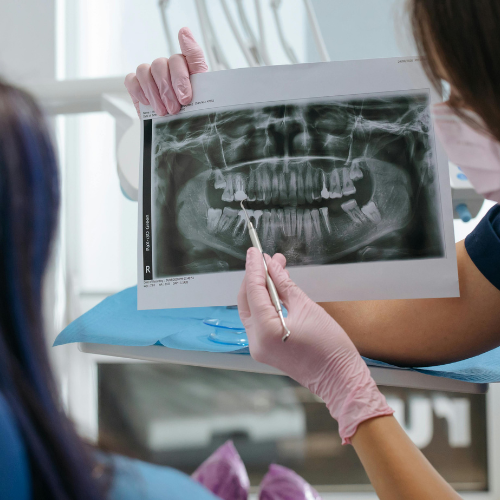
Root Canal vs Tooth Extraction
Learn how root canals and tooth extractions compare, including the pros, cons, and how dentists decide which treatment is best.
Read More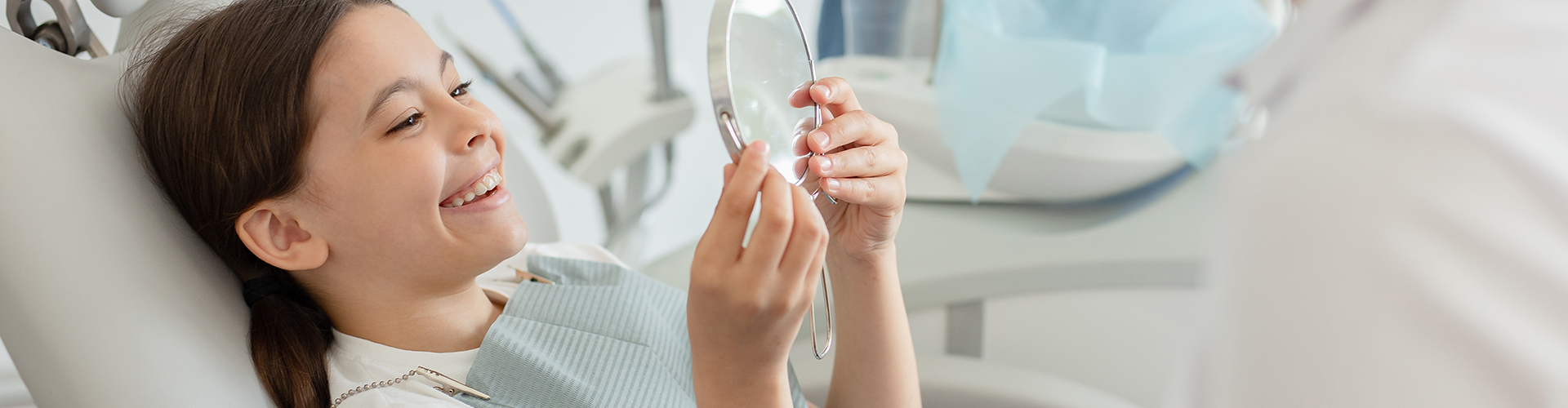
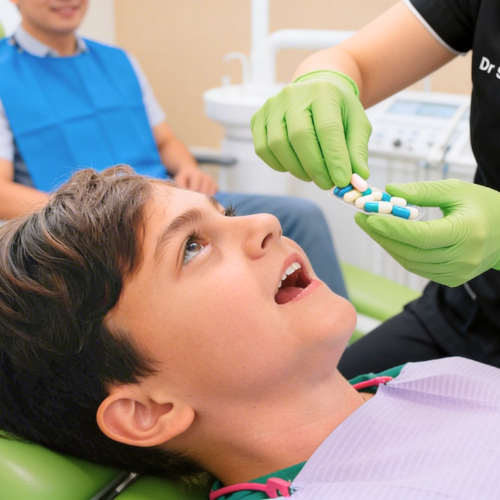
Ensuring a child's well-being and happiness is of utmost importance, and this includes making routine visits to the dentist. For many children, a trip to the dentist can be a stressful experience. Fortunately, comfort dentistry techniques are here to help! In this blog post, we'll provide a comprehensive guide to comfort dentistry, discuss how to make your child more comfortable at the dentist, and outline what to expect during their first appointment.
Comfort dentistry, also known as sedation dentistry or pain-free dentistry, is a collection of techniques and practices aimed at reducing anxiety, fear, and discomfort during dental visits. These methods focus on creating a relaxed, comfortable, and positive environment for patients, especially children, who might be apprehensive about dental treatments. Some common comfort dentistry techniques include:
Preparing your child for a dental visit can make a huge difference in their comfort and overall experience. Here are some tips to help your child feel more at ease:
Knowing what to expect during your child's first dentist appointment can help you prepare them and ease any anxieties. Here's a general overview of what the visit may entail:
Comfort dentistry techniques play a significant role in ensuring that your child's dental visits are positive and stress-free experiences. By choosing the right dentist, preparing your child for their appointment, and understanding what to expect during the visit, you can help create a foundation for a lifetime of healthy oral habits. Your child's comfort and well-being are paramount, and comfort dentistry is here to help make those routine dental visits something both you and your child can feel good about.
Establishing a strong relationship with a dentist who specializes in comfort dentistry can have lasting effects on your child's oral health. Not only will they be more likely to maintain regular dental appointments throughout their life, but they will also develop a positive attitude towards dental care. This can lead to better oral hygiene habits, fewer cavities, and overall improved dental health.
By starting early and incorporating comfort dentistry techniques into your child's dental care routine, you are setting them up for success. A healthy smile is a priceless gift that will benefit them for years to come.
At our clinic, we understand the importance of providing a comfortable and positive experience for your child during their dental visits. Our experienced team specializes in comfort dentistry techniques, ensuring that your child receives the best care possible in a relaxed and welcoming environment.
Don't wait to give your child the gift of a healthy, beautiful smile. Schedule an appointment with us today!
Fresh news from the dental world




Mon, Tues, Thur 9AM - 6PM
Weds 10AM - 7PM
Friday 8AM - 5PM
Sat & Sun Closed
Check out what our patients are saying in Riverside...


“What a Difference...”
“My wife and I recently decided to try teeth whitening here. Wow! What a difference. Thank you!”

“So Comfortable...”
"I have been coming here for years and I love this place. I feel so comfortable whenever I go into ortho. Everyone's really friendly! The ladies at the front desk are my favorite, they're always so helpful and always try their best to work around my schedule. Would definitely recommend!"

“Expert Care...”
“I have come a long way with all my dental issues. I’ve been able to take back control of my dental health because of the expert care I’ve received over the years at Dental Specialists of Riverside. I highly recommend this place because they won’t pressure you into stuff that you don’t need or that you are not ready for.”
..png)
“Never Disappointed...”
“I don’t have much time to waste, so I always get my whitening done by the good folks at Dental Specialists of Riverside. Never disappointed.”
“What a Difference...”
“My wife and I recently decided to try teeth whitening here. Wow! What a difference. Thank you!”
“So Comfortable...”
"I have been coming here for years and I love this place. I feel so comfortable whenever I go into ortho. Everyone's really friendly! The ladies at the front desk are my favorite, they're always so helpful and always try their best to work around my schedule. Would definitely recommend!"
Check out our accreditations, sources, and relationships in the wide world of dentistry...
..png)
..png)
..png)
Check us out and follow our Riverside, CA practice on social media...


..png)