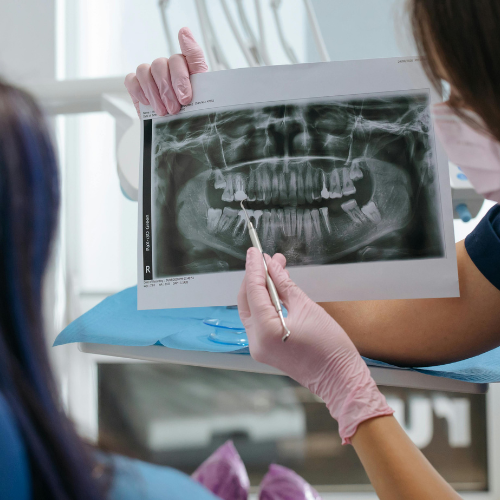
Root Canal vs Tooth Extraction
Learn how root canals and tooth extractions compare, including the pros, cons, and how dentists decide which treatment is best.
Read More
A healthy and stunning smile is something everyone desires, and dental crowns play a vital role in achieving that. Dental crowns, also known as "caps," are essential in restoring the shape, strength, and appearance of your teeth. With various materials available for dental crowns, it can be challenging to decide which one is right for you. In this blog post, we'll discuss the three best dental crown options for a healthy and stunning smile. So, let's dive in and explore your options!
Dental crowns are made of various materials, each with its unique benefits and drawbacks. The most common materials used for dental crowns include:
Temporary crowns and permanent crowns serve different purposes in the dental crown process. Here's what sets them apart:
It's essential to take care of your temporary crown and avoid putting too much pressure on it, as it is not as strong as a permanent crown. Once your permanent crown is ready, the temporary crown will be removed, and the dentist will place the permanent restoration.
Once your dentist receives your custom-made permanent crown from the dental laboratory, they will remove the temporary crown, clean the prepared tooth, and cement the permanent crown in place. After placement, the dentist will ensure that your bite is correct and make any necessary adjustments to guarantee your comfort and satisfaction.
Both porcelain and ceramic crowns offer excellent aesthetic results. However, they have different properties that can make one a better choice depending on your needs:
Porcelain Crowns: Porcelain crowns are known for their exceptional ability to mimic the appearance of natural teeth. They are typically more translucent than ceramic crowns, giving them a more realistic look. Porcelain crowns also tend to be more resistant to staining compared to ceramic crowns. However, they may be more prone to chipping and wear over time.
Ceramic Crowns: Ceramic crowns are made from a more advanced type of dental ceramic that offers improved strength and durability compared to traditional porcelain crowns. They are an excellent option for those who want a natural-looking restoration without compromising on strength. Ceramic crowns may be more opaque than porcelain crowns, but they still provide a beautiful, natural appearance.
Now that we've covered the basics let's explore the three best dental crown options for a healthy and stunning smile:
Option 1: Gold Crowns Gold crowns are the most durable and long-lasting option among dental crowns. They are known for their excellent biocompatibility, making them suitable for patients with metal allergies. Gold crowns are perfect for restoring teeth located at the back of the mouth, where the majority of the chewing forces are concentrated. While their appearance may not be as natural as porcelain or ceramic crowns, many people appreciate the unique and classic look of gold crowns.
Pros:
Cons:
Option 2: Porcelain-Fused-to-Metal Crowns Porcelain-fused-to-metal crowns strike a balance between the strength of metal crowns and the aesthetics of all-porcelain crowns. The metal substructure provides excellent support, while the porcelain layer offers a natural appearance. PFM crowns are suitable for most situations, including both front and back teeth restorations.
Pros:
Cons:
Option 3: All-Ceramic Crowns All-ceramic crowns are the go-to choice for those seeking the most natural-looking dental restoration. Advanced dental ceramics offer improved strength and durability compared to traditional porcelain crowns. All-ceramic crowns are an excellent choice for front teeth restorations, where aesthetics are of utmost importance.
Pros:
Cons:
Choosing the right dental crown material is crucial in achieving a healthy and stunning smile. Gold, porcelain-fused-to-metal, and all-ceramic crowns each offer unique benefits and drawbacks, making it essential to consider your specific needs and preferences when making a decision.
At our dental clinic, we're here to help you make the best choice for your dental health and appearance. Schedule a consultation with us today to discuss your dental crown options and start your journey toward a healthy and stunning smile!
Fresh news from the dental world



Mon, Tues, Thur 9AM - 6PM
Weds 10AM - 7PM
Friday 8AM - 5PM
Sat & Sun Closed
Check out what our patients are saying in Riverside...


“What a Difference...”
“My wife and I recently decided to try teeth whitening here. Wow! What a difference. Thank you!”

“So Comfortable...”
"I have been coming here for years and I love this place. I feel so comfortable whenever I go into ortho. Everyone's really friendly! The ladies at the front desk are my favorite, they're always so helpful and always try their best to work around my schedule. Would definitely recommend!"

“Expert Care...”
“I have come a long way with all my dental issues. I’ve been able to take back control of my dental health because of the expert care I’ve received over the years at Dental Specialists of Riverside. I highly recommend this place because they won’t pressure you into stuff that you don’t need or that you are not ready for.”
..png)
“Never Disappointed...”
“I don’t have much time to waste, so I always get my whitening done by the good folks at Dental Specialists of Riverside. Never disappointed.”
“What a Difference...”
“My wife and I recently decided to try teeth whitening here. Wow! What a difference. Thank you!”
“So Comfortable...”
"I have been coming here for years and I love this place. I feel so comfortable whenever I go into ortho. Everyone's really friendly! The ladies at the front desk are my favorite, they're always so helpful and always try their best to work around my schedule. Would definitely recommend!"
Check out our accreditations, sources, and relationships in the wide world of dentistry...
..png)
..png)
..png)
Check us out and follow our Riverside, CA practice on social media...


..png)